Iran is a country with a thousand-year history, heir to the great Persian Empire and one of the key states in the Middle East. Over the centuries, it has shaped the political map of the region and influenced culture, science, and trade. Today, Iran is once again the center of global attention — but not because of its poetry, architecture, or oil resources, but because of a large-scale military escalation with the US.
Recent events have turned the long-standing tensions between Tehran and Washington into an open conflict with missile strikes, air operations, and retaliatory attacks in the region. The reasons for this confrontation have been building up for decades — from the Islamic Revolution of 1979 to disputes over Iran's nuclear program and geopolitical influence in the Middle East.
In this article, we will look at 10 interesting facts about Iran — from its ancient history and cultural heritage to the reasons why the country is now under missile attack. This will help to better understand why the current conflict has deep historical roots and what consequences it may have for the whole world.
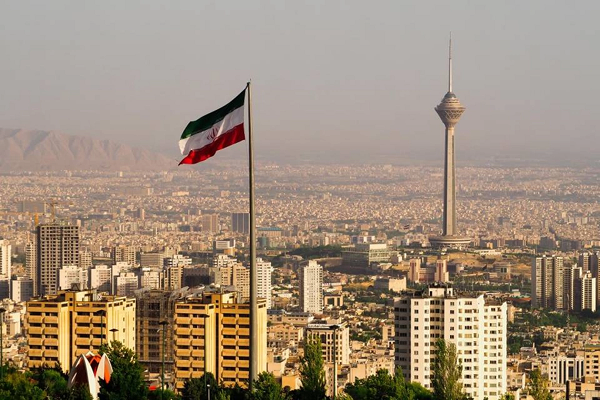
In this article, we will take a closer look at Iran — from its ancient history and culture to the current geopolitical conflict — through 10 amazing facts about the country.
10 Facts About Iran:
- Iran is one of the oldest civilizations in the world : Iran has a history of statehood dating back several thousand years. The territory of modern Iran was the center of the powerful Persian civilization. One of the most famous archaeological symbols of ancient history is Persepolis, the capital of the Persian Empire, which is now a World Heritage Site.
- The Islamic Revolution changed the country's political course : In 1979, a revolution took place in Iran, after which the monarchy was replaced by an Islamic republic. It was after this that relations between Tehran and the US deteriorated sharply, which became the basis for the current geopolitical conflict.
- The nuclear program is the main subject of international controversy : Iran explains the development of nuclear technology by its energy needs, but many Western countries fear the possibility of nuclear weapons being created. Because of this, economic sanctions and political pressure have been imposed on Iran.
- The war of 2026 marked a new phase in the conflict : In 2026, the confrontation between Iran and the US escalated into open military strikes involving missiles and aircraft. Operations were directed against military infrastructure and missile facilities, which sharply exacerbated the situation in the Middle East.
- Iran has a strategic geographical location : The country controls important transport and energy routes in the region, making it a key geopolitical player. Mountainous terrain and desert areas create a complex but diverse climate in the country.
- The Strait of Hormuz is an economically critical route : A significant portion of the world's oil exports pass through the strategically important Strait of Hormuz. Any escalation of conflict in this region could affect global energy prices and economic stability.
- Iran has one of the most powerful missile programs in the region : The country is actively developing ballistic missiles as a factor of military deterrence. It is missile technology that has become one of the causes of tension between Iran and Western countries.
- The country's population is relatively young : In Iran, a large proportion of citizens are young people who are actively involved in public life. The level of education remains quite high, especially among the urban population.
- Persian culture is known for its poetry and art : Iran has a long literary tradition, including classical poetry, music, and architecture. The country's cultural heritage has been shaped by many historical eras.
- The future of the conflict remains uncertain : Despite military action and international pressure, the war between Iran and the US has yet to reach a clear conclusion. Diplomats from various countries are calling for a reduction in tensions to avoid a large-scale regional catastrophe.
Basic information about Iran
| Parameter | Details |
|---|---|
| Geographic structure | About 52% of the territory is mountainous (Zagros and Alborz ranges), the rest is desert |
| Historical heritage | Center of the ancient Persian civilization with more than 2500 years of state history |
| Political system | Islamic republic established after the 1979 revolution |
| Strategic importance | Controls part of the Persian Gulf sea trade routes |
| Economy | One of the world’s largest reserves of natural gas and significant oil deposits |
| Military capability | Active development of ballistic missile technology among Middle East countries |
| Demographics | Average population age is about 32–33 years, making the country relatively young |
| Education | Literacy rate exceeds 85%, even higher among younger generations |
| Main geopolitical conflict | Tensions with the United States |