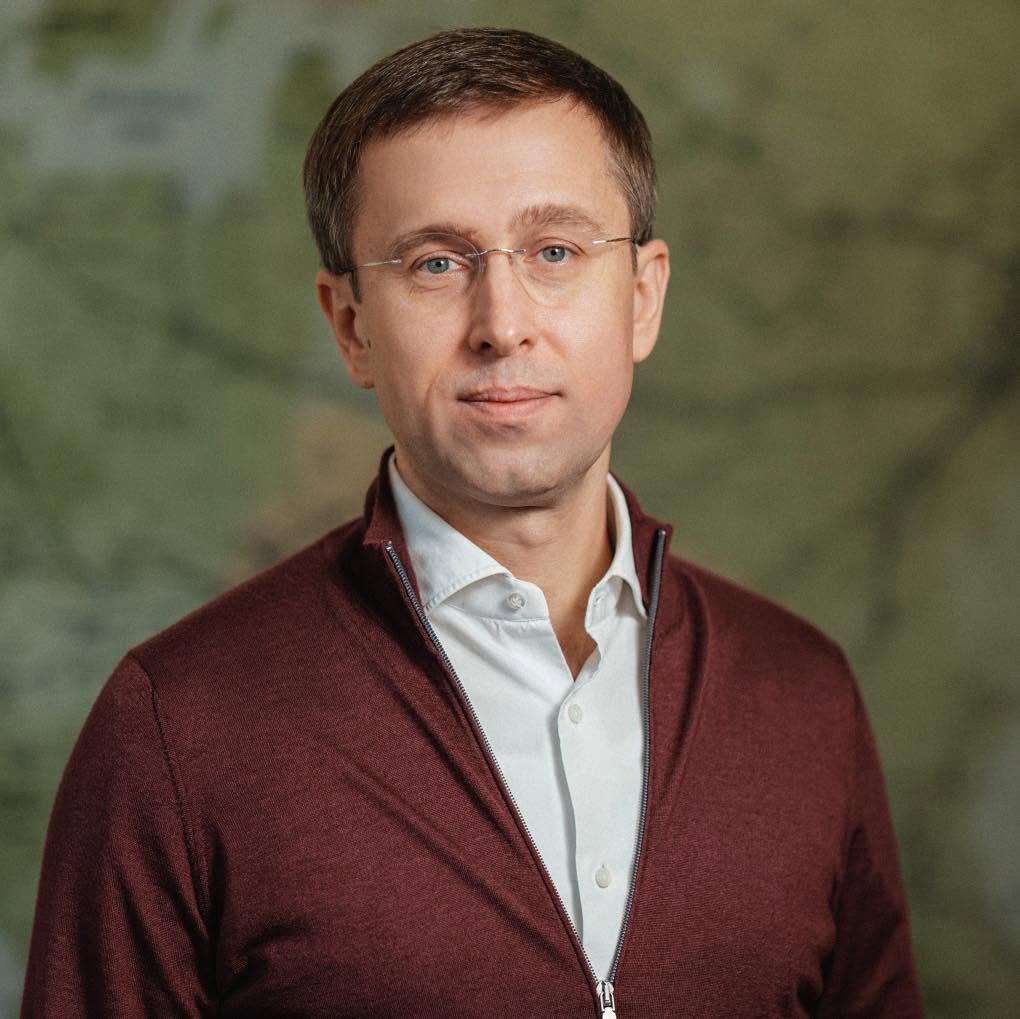
Imagine a man who, just yesterday, was dividing up spheres of influence in the capital’s elite restaurants, overseeing billion-dollar contracts for the export of Ukrainian grain, and collecting exquisite European paintings—and today, with the methodical, cold cynicism of a mathematician, is orchestrating the transformation of an enemy army into charred statistics. To many in the corridors of power, Robert Brovdi was once a typical representative of the elite in Arseniy Yatsenyuk’s political orbit—a master of backroom compromises and a tough player whose name occasionally appeared in reports about the brutal redistribution of the domestic agricultural market. However, the great war mercilessly burned away this respectable corporate facade, exposing something far darker, more massive, and deadlier than any of his former business partners could have imagined.
The former darling of fortune traded his status as the "grain king" for the role of chief architect of digital death, becoming a worse nightmare for Russian generals than the West’s most advanced missiles. Like a ruthless cyberpunk commander, he commands invisible swarms of FPV drones from the bombed-out basements of Bakhmut and Krynky, transforming his famous telescopic pointer into a veritable necromancer’s wand that wipes enemies off the face of the earth with a single tap on the screen. The story of Madyar is not a classic, polished fairy tale about a perfect hero; it is a scandalous, deeply intriguing, and cinematic saga about how a brilliant capitalist monopolized the industry of destroying occupiers, proving that the most terrifying weapon in modern warfare is a perfectly crafted business plan in which corpses are counted daily instead of dividends.
Did You Know That Robert Brovdi’s Call Sign Contains an Unexpected Identity Paradox?
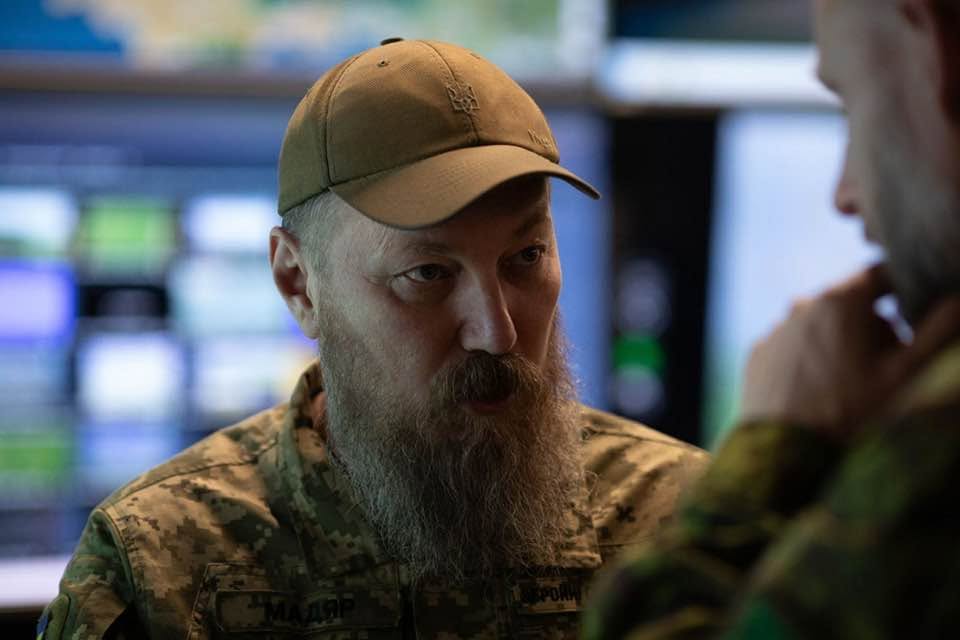
Did you know that one of the most recognisable Ukrainian military call signs openly refers to another national identity? Robert Brovdi is widely known as "Madyar", a word connected with his Hungarian roots and the multicultural character of Zakarpattia, the western Ukrainian region where he was born. At first glance, this may appear politically complicated: a Ukrainian commander carrying a name that literally evokes Hungary at a time when relations between Kyiv and Budapest have often been tense. However, there is no genuine contradiction. Brovdi’s story illustrates how regional identity, ancestry and loyalty to one’s country can exist simultaneously rather than cancel each other out.
The unusual call sign eventually became much more than a personal nickname. It developed into the name of "Madyar’s Birds", the drone reconnaissance unit Brovdi founded during the first months of Russia’s full-scale invasion. According to the Office of the President of Ukraine, the formation began in May–June 2022 and expanded from a small drone group into a battalion, then a regiment and finally a brigade. Official figures published when Brovdi received the Hero of Ukraine award stated that his unit had struck more than 17,000 enemy targets between June 2023 and January 2025, destroying approximately 5,300 of them.
There is another surprising layer to this transformation. Before entering military service, Brovdi had built a successful career in business. He joined Ukraine’s Territorial Defense Forces in 2022 and later applied entrepreneurial thinking to the creation of a specialised drone formation. That background may help explain why "Madyar’s Birds" developed a reputation not only for operating drones but also for recruitment, training, data collection, public communication and rapid organisational expansion. In that sense, the unit sometimes appeared less like a traditional military formation and more like a wartime technology company operating under extreme pressure. This comparison is an interpretation, but it is supported by the remarkable speed with which Brovdi’s original team grew.
The real controversy, therefore, is not a hidden allegiance or secret political connection. It is the fact that a word associated with Hungarian identity became the foundation of one of Ukraine’s most famous military brands. Does Brovdi’s call sign demonstrate that national identities can overlap peacefully, or has its meaning become completely detached from ethnicity and transformed into a symbol of modern drone warfare? That question alone could provoke a surprisingly heated discussion.
1. The Grain Magnate Who Chose the Trenches
Before the full-scale invasion began, Robert Brovdi was far removed from military affairs. In Uzhhorod and far beyond, he was known as an extremely successful businessman, real estate developer, and ambitious top executive. His life consisted of business meetings, managing large companies, and developing commercial real estate.
He made a name for himself in the grain trading sector, heading both state-owned and private agricultural enterprises; in particular, he served as commercial director of the company "Khlib Investbud". The companies with which he was associated — including the "Granum" group — were among the top five Ukrainian grain exporters, supplying products to more than two dozen countries worldwide.
In addition to the agricultural sector, he was actively involved in the real estate market of Zakarpattia, serving as one of the leading local developers. His projects transformed the city’s landscape, and Brovdi himself carried significant weight in regional politics, having been elected as a deputy to the Transcarpathian Regional Council of the 6th convocation.
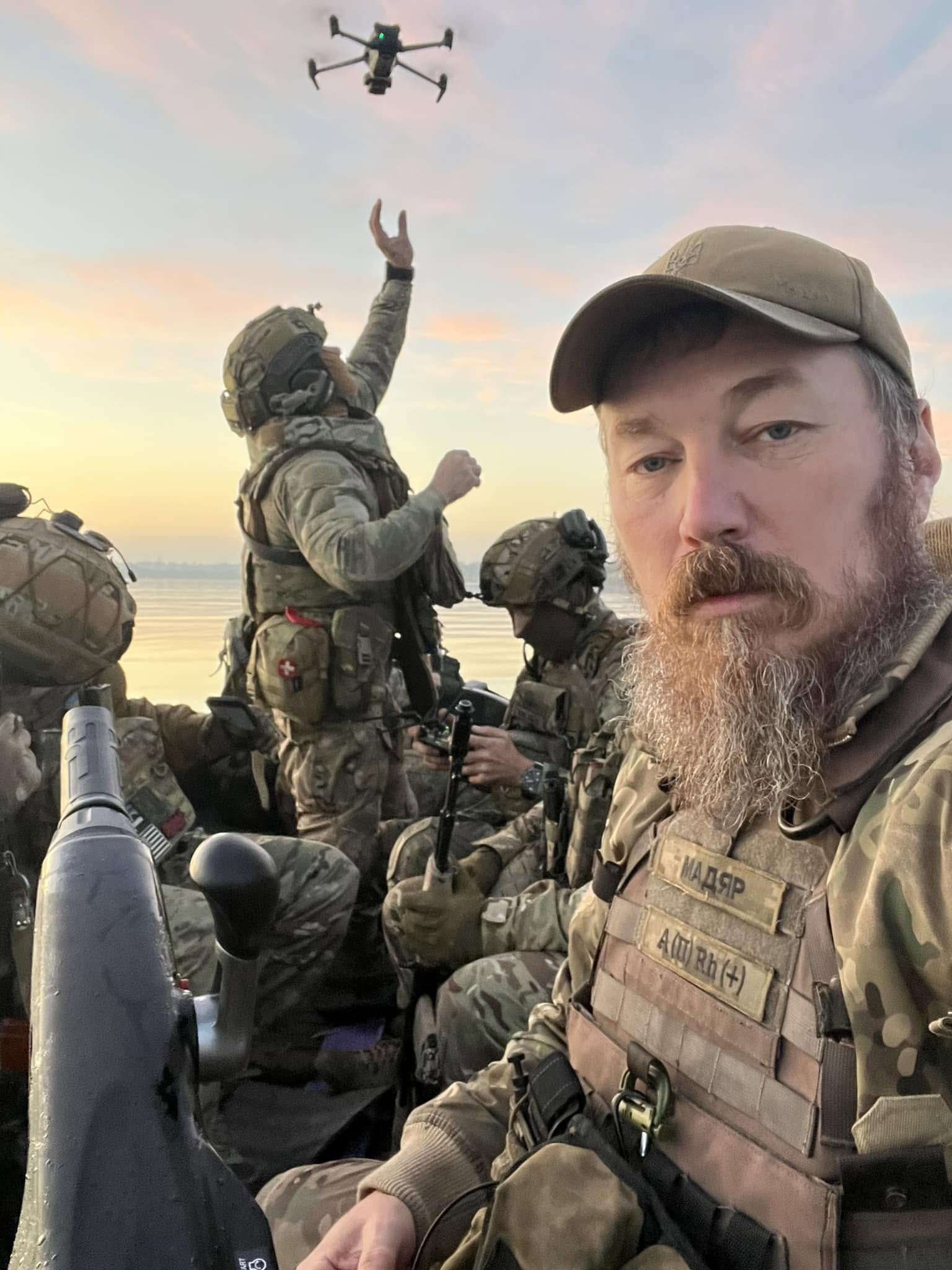
When the full-scale war began, Brovdi gave up his comfortable life, high-ranking positions, and political ambitions. As early as the beginning of 2022, the former top executive voluntarily enlisted in the territorial defense forces, becoming an ordinary platoon commander. This dramatic transition from luxurious offices to damp dugouts was the first step toward the birth of a military legend.
2. Patron and Founder of Contemporary Art
One of the least known and most striking facts about the current commander is his deep involvement in the cultural sphere. Before the war, Robert and his wife Natalia founded the large-scale art foundation "BrovdiArt", which was dedicated to the development and active promotion of contemporary art.
They invested significant funds in supporting young Ukrainian artists, organized large-scale exhibitions, awards, and sculpture symposia, and created new cultural spaces. Thanks to their efforts, many talented artists had the opportunity to gain international recognition and present their work to a discerning European audience.
Today, this fact seems almost surreal. A person who, just a few years ago, carefully selected exquisite paintings for galleries and discussed the subtleties of contemporary painting now just as meticulously selects targets for FPV strike drones and cold-bloodedly directs the destruction of enemy equipment.
3. From the Evacuation of Civilians to the Enemy’s Aerial Terror
The story of the "Magyar Birds" did not begin with drones at all. During the first months of the full-scale invasion, Brovdi served in the 206th Territorial Defense Battalion, where he commanded a standard rifle platoon in the second assault company.
His first serious baptism of fire was not high-tech operations, but the grueling groundwork of the infantry during the defense of the Kyiv region. Robert’s platoon took direct part in the evacuation of civilians from Irpin, Bucha, and Borodianka under constant shelling by Russian forces.
It was there, upon seeing the scale of the destruction and realizing the need for precise reconnaissance to save the lives of his comrades, that he understood the critical necessity of "eyes in the sky". It was only in May–June 2022 that he gathered a group of like-minded individuals and formed a separate aerial reconnaissance unit, which would later strike terror into the hearts of the occupiers.
4. The Unit’s Evolution: From a Small Squad to an Entire Brigade
The institutional development of the "Madyar Birds" is unprecedented in the Ukrainian military. What began in the spring of 2022 as a small group of enthusiastic aerial reconnaissance specialists has demonstrated phenomenal growth and combat effectiveness.
Initially, it was a unit within the 28th Separate Mechanized Brigade; later, it transformed into a company of strike unmanned aerial systems within the 59th Separate Motorized Infantry Brigade. Their skill on the battlefield compelled military leadership to continually expand the unit’s personnel and the command’s authority.
In early 2024, the unit became the 414th Separate Battalion within the Marine Corps. But the growth did not stop there: in the summer of that same year, the battalion was expanded into a regiment, and by the end of the year, the "Birds of Magyar" had become a full-fledged brigade. This dynamic clearly illustrates how rapidly technology is reshaping the structure of the modern army.
5. "The Mathematics of Death" and a Business Approach to Destruction
Brovdi applied his managerial and analytical business experience to the battlefield, introducing a "mathematics of war" that was ruthless and cynical toward the enemy. He developed his own philosophy of asymmetric warfare, based on precise statistical indicators and calculations of losses.
Robert openly stated that the main task of the Defense Forces was to kill more Russian soldiers each month than the enemy’s state apparatus could mobilize (which amounts to over 30,000 people per month). He transformed combat operations into the methodical execution of an elimination plan, in which every drone has its own efficiency ratio.
According to his calculations, at least one-third of all drone strikes must target the occupiers’ manpower — a strategy also supported by the new Minister of Defense, Yevhen Khmara. This systematic approach, which Madyar himself dispassionately refers to as "exceeding the destruction quota", has significantly undermined the Russian Federation’s army’s offensive capabilities.
6. A Media Phenomenon and the "People’s Psychotherapist"
Robert Brovdi became not only an effective military commander but also one of the most powerful voices of informational resistance. He revolutionized frontline communication by posting videos of precision strikes against the enemy, accompanied by his own colorful commentary.
His signature phrases — "bada-boom", "worm", "eyes and stinger" — as well as his legendary telescopic pointer instantly went viral and became part of Ukrainian pop culture. These videos served several purposes at once: they provided a visual report to donors and, at the same time, were a powerful tool for boosting public morale.
During the darkest days of blackouts and massive shelling, Madyar’s daily videos acted as a kind of sedative for Ukrainians. People saw real, measurable results of the struggle, which helped keep morale high.
Equally important was the enemy’s reaction to these posts. In intercepted communications, Russian military personnel regularly complained about the performance of his drones, and the appearance of the famous pointer on the screen became, for them, a visual representation of their inevitable doom.
7. A Logistics Empire Within the Army
Recognizing the sluggishness of standard military bureaucracy, Madyar used his entrepreneurial skills to create a unique logistics ecosystem. He essentially built a miniature supply ministry that operates with the efficiency of the world’s top corporations.
The unit not only provides for its own needs but also functions as a powerful and crystal-clear hub for distributing equipment to other units of the Armed Forces of Ukraine. Thousands of drones (such as the well-known F7s), motorboats for marines, electronic warfare (EW) equipment, and electronic intelligence (EI) equipment pass through their hands.
This process happens phenomenally fast: neighboring units submit requests, and Brovdi’s logistics network ensures their prompt delivery to the hottest front lines, bypassing unnecessary paperwork.
8. A Call Sign as a Tribute to His Roots and a Strong Brand
Robert didn’t choose his famous call sign "Magyar" — which translates to "Hungarian" — by accident. It’s a profound tribute to his hometown of Uzhhorod and all of Transcarpathia — a multinational region where different cultures have intertwined for centuries.
Instead of adopting a pretentious or aggressively militaristic alias, he emphasized his identity. This local flavor, combined with the distinctive timbre of his voice, added authenticity to his image, making him feel as "one of their own" as possible to millions of Ukrainians.
Over time, the call sign evolved into a full-fledged military brand associated with impeccable precision, innovation, and the inevitability of retribution. Today, the name "Ptaki Madyara" commands respect even among discerning Western military analysts.
9. A Frontline Testing Ground for Ukrainian Innovations
Robert Brovdi’s brigade serves not only as a combat unit but also as the country’s most effective testing ground. The latest developments from Ukraine’s military-industrial complex often undergo their first rigorous "baptism of fire" right here at "Ptakhiv Madyara".
Engineers from all over Ukraine send them their prototypes of drones, anti-drone systems, antennas, and remote controls. Thanks to the pilots’ high level of professionalism, the unit is able to instantly test the equipment under conditions of intense enemy jamming.
During these tests, they verify communication stability, payload capacity, and the quality of camera footage in twilight conditions. Products that cannot withstand the realities of the front lines are ruthlessly rejected, saving both time and volunteer funds.
After testing, developers receive detailed constructive feedback. Madyar’s team directly points out vulnerabilities and offers ready-made engineering solutions, allowing Ukrainian manufacturers to launch the perfect weapon into mass production more quickly.
10. Historical Mission and Highest Recognition
His unique journey from a successful civilian businessman to a military strategist reached its climax in the summer of 2025. Robert Brovdi was appointed commander of the Unmanned Systems Forces of the Armed Forces of Ukraine, replacing Vadym Sukharevsky.
This appointment was landmark and emblematic for the entire army. It underscored the definitive shift in the paradigm of warfare: command of the most advanced branch of the military was entrusted to a man who lacked a traditional academic military education but who, in practice — amid the fiercest battles — had proven his ability to build large-scale, high-tech structures.
That same year, Brovdi was awarded the title of Hero of Ukraine. This award served as official state recognition of the fact that unconventional thinking, the courage to experiment, and outstanding leadership skills can influence the course of modern warfare more powerfully than old textbooks on tactics.

True or False: Did Robert Brovdi Create a Secret Drone Laboratory Inside a Carpathian Wine Cellar?
The following story is an intentionally fictional reader challenge.
According to an alleged local legend, Robert Brovdi began experimenting with drones several years before the full-scale invasion — not at a military training ground, but beneath an abandoned vineyard outside Uzhhorod. The supposed project was officially presented as an agricultural initiative designed to photograph grape fields, identify damaged vines and locate wild animals entering private farmland. Behind the innocent explanation, however, a small group of programmers and racing-drone enthusiasts were allegedly testing something far more ambitious.
The team supposedly operated from an old stone wine cellar because its thick walls prevented outsiders from detecting their electronic equipment. Every experimental drone was given the name of a different Carpathian bird. Small machines were called Sparrows, reconnaissance models were known as Hawks, and the fastest prototype reportedly carried the name Turul — a mythological bird associated with Hungarian history. This bird-themed system allegedly provided the inspiration for the later name "Madyar’s Birds".
The most mysterious part of the story concerns a handwritten document called The Flock Protocol. Brovdi supposedly filled it with observations about organising civilian drone pilots, rotating crews and analysing information gathered during flights. One page allegedly predicted that inexpensive commercial drones would eventually become more important on the battlefield than many traditional armoured vehicles. According to the legend, copies of the notebook were distributed among several trusted engineers shortly before February 2022.
The rumours become even stranger. One prototype drone supposedly lost its navigation signal, crossed the Ukrainian–Hungarian border and landed in a farmer’s garden. Rather than reporting the strange aircraft, the farmer allegedly returned it in exchange for several bottles of Zakarpattian wine. Brovdi then adopted the call sign "Madyar" to commemorate the incident and remind his team that even an accidental flight could produce an unexpected lesson.
When the full-scale invasion began, the secret vineyard group was supposedly reactivated within 72 hours. Its agricultural software was adapted for reconnaissance, the bird names became military call signs, and the mysterious wine-cellar experiment evolved into one of Ukraine’s best-known drone formations.
It sounds remarkably plausible because it mixes Brovdi’s real entrepreneurial background, his Zakarpattian connections and the genuine "Madyar’s Birds" name. But do you believe Robert Brovdi secretly developed the first version of his drone unit inside a Carpathian wine cellar years before the invasion—True or False?