Forget about sterile offices, silk ties, and boring, formal smiles—true high diplomacy is forged in the closed corridors of power in Europe, where the stakes are higher than life itself, and a single mistake can lead to a national catastrophe. While officials spent decades honing the art of "deep concern", Vsevolod Chentsov burst into the high-level offices of Brussels and the tribunals of The Hague like a crisis surgeon performing an amputation of political illusions without anesthesia. In diplomatic circles, he is whispered about as the "shadow cardinal" of Ukraine’s breakthrough—the man who forced the unwieldy bureaucratic machine of the European Union to move at the speed of a fighter jet, leaving Western skeptics in a state of utter shock.
Behind the scenes of high-profile legal victories over the Kremlin and historic decisions by the European Commission lies a tough—and at times ruthless—game of attrition that will never be recounted in dry press releases. How did a staff lawyer from Drohobych manage to outmaneuver a multimillion-strong army of Russian lobbyists, shatter the pacifist taboos of affluent Europe, and force the West to fund lethal weapons? This is not a story of polite compromises over a glass of champagne, but of the most daring diplomatic poker game of our century, in which Ukraine—holding the burning cards of full-scale war—managed to force the geopolitical casino to play by its own rules.
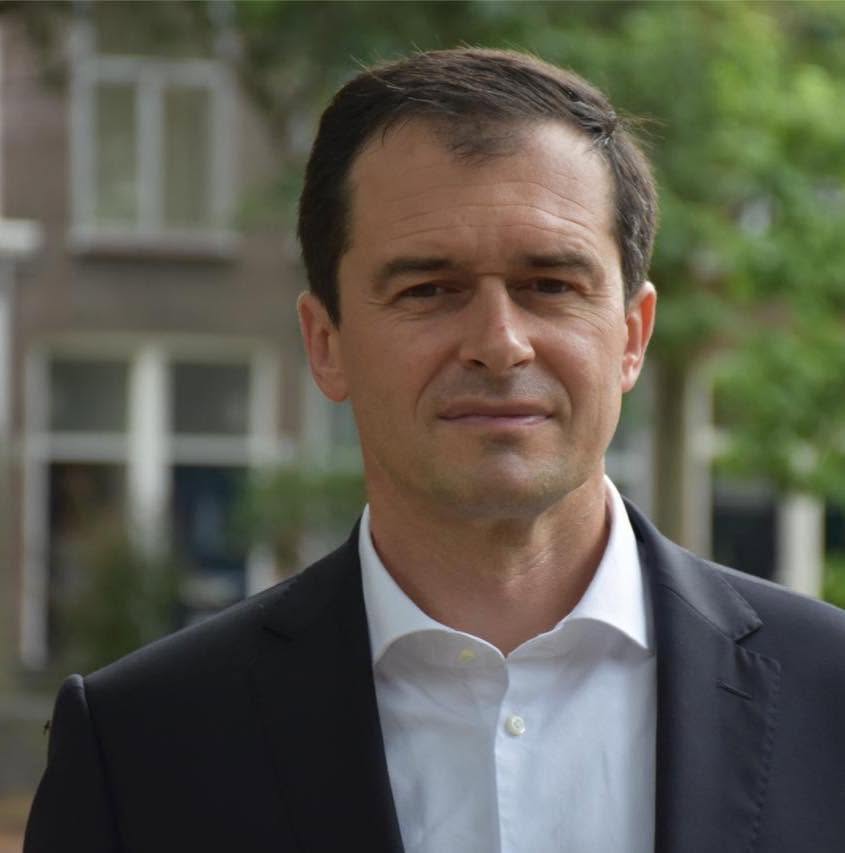
Did You Know That Vsevolod Chentsov’s Most Important Diplomatic Skill May Have Come From Studying Law?
Did you know that Vsevolod Chentsov may be better understood not simply as a diplomat, but as a legal strategist working inside the machinery of European politics? Long before he became one of Ukraine’s most visible representatives in Brussels, Chentsov graduated from Ivan Franko National University of Lviv with a degree in law. He entered Ukraine’s diplomatic service in 1996, beginning a career that would eventually take him through postings connected with Poland, Turkey, the Netherlands, and the European Union.
That legal background may seem like a minor biographical detail, yet it offers an intriguing way to interpret his entire career. Modern diplomacy is rarely limited to speeches, ceremonies, and formal photographs. Much of it happens through legal definitions, carefully negotiated phrases, institutional procedures, sanctions regulations, accession chapters, and documents in which changing a single word can alter the political meaning of an agreement.
Chentsov’s posting in the Netherlands was particularly revealing. The Hague is home to some of the world’s most important international legal institutions, while Ukraine’s relations with the Netherlands have involved politically sensitive questions connected with international justice, security, and European cooperation. He also represented Ukraine in connection with the Organisation for the Prohibition of Chemical Weapons and was elected chair of the Budget Committee of the Permanent Court of Arbitration.
This creates an interesting possibility: perhaps Chentsov’s real influence has never depended on being the loudest person in the room. His strength may instead lie in translating Ukraine’s political ambitions into the technical language European institutions can formally accept. In Brussels, where progress can depend on procedures that appear almost invisible to the public, that skill can be more valuable than dramatic rhetoric.
His recent public position also reflects this pragmatic style. When discussing Ukraine’s European integration, Chentsov has argued that attention should remain on the substance of accession rather than becoming trapped in debates about labels and titles. It sounds cautious, but it may reveal something deeper: a preference for obtaining practical integration step by step, even while the larger political battle continues.
So, could one of Ukraine’s most important voices in Europe actually operate less like a traditional ambassador and more like a lawyer patiently constructing a case? It is an interpretation rather than a proven secret—but it may explain why his career has repeatedly placed him where diplomacy, law, and institutional power intersect.
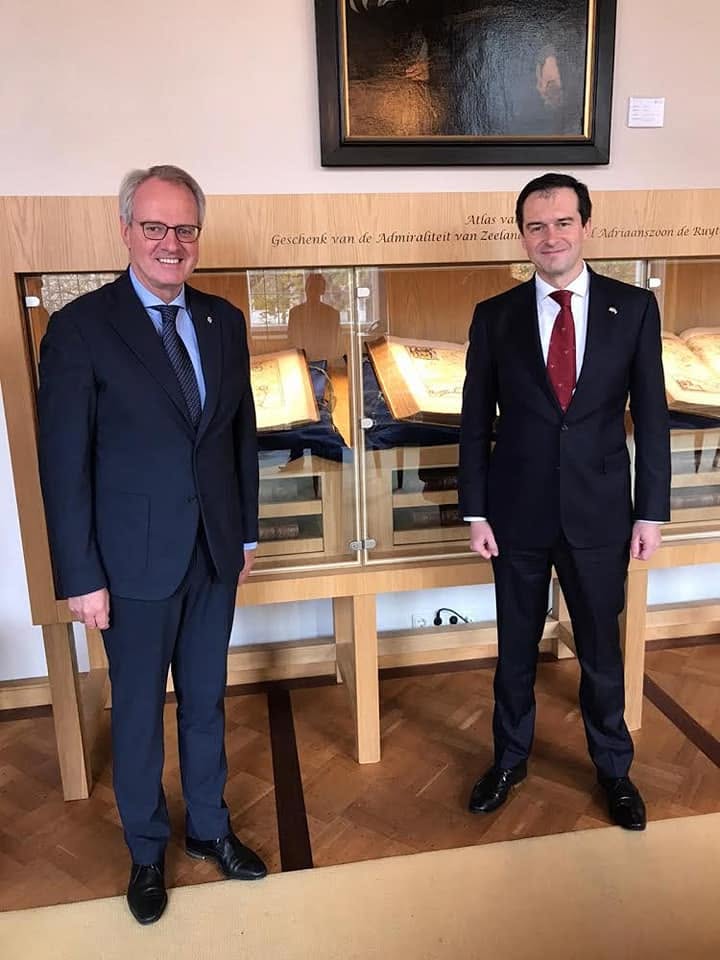
1. "Legal Shield" in The Hague: The Role of Co-Agent at the International Court of Justice
Vsevolod Chentsov played one of the key roles in the unprecedented legal confrontation between "Ukraine and the Russian Federation" at the International Court of Justice. This case concerned Russia’s violation of the conventions on combating the financing of terrorism and on the elimination of all forms of racial discrimination. Working at this level required not only diplomatic skill but also a deep understanding of international law.
When, in the fall of 2019, the well-known Ukrainian diplomat Olena Zerkal stepped down from her position as Deputy Minister of Foreign Affairs, it was Chentsov—who at the time was Ukraine’s ambassador to the Netherlands and the country’s official co-agent in the case—who took on the lion’s share of the responsibility for continuing to defend the state’s interests. He became the main liaison between the Ukrainian legal team and the judges in The Hague.
His professional legal training enabled Ukraine to effectively counter the massive machine of Russian lawyers. Chentsov skillfully coordinated the collection of evidence regarding the financing of militants in Donbas and the oppression of Crimean Tatars and Ukrainians in occupied Crimea, transforming political statements into dry, indisputable legal facts for the world’s highest court.
His professional legal training enabled Ukraine to effectively stand up to the massive machine of Russian lawyers. Chentsov skillfully coordinated the gathering of evidence regarding the financing of militants in Donbas and the oppression of Crimean Tatars and Ukrainians in occupied Crimea, transforming political statements into dry, indisputable legal facts for the world’s highest court.
2. The Face of Ukraine During the Most Grueling Trial Regarding MH17
From 2017 to 2021, Chentsov served as Ukraine’s Ambassador Extraordinary and Plenipotentiary to the Kingdom of the Netherlands. This period coincided with the most active phase of preparations and the start of court hearings in the case of the downing of Malaysian Airlines Flight MH17 over the Donbas.
Chentsov’s mission was extremely challenging: Russia had launched a massive disinformation campaign in the Netherlands, attempting to discredit the Joint Investigation Team and shift the blame onto Ukraine. The diplomat had to work daily with the Dutch media, political circles, and the public, debunking Russian disinformation with facts and maintaining trust in the Ukrainian side.
The coronavirus pandemic posed a particular challenge, threatening the continuity of the legal proceedings. Chentsov made tremendous efforts at the diplomatic level to ensure that the substantive hearings would begin on time and would not be suspended due to quarantine restrictions, as the relatives of the victims had been waiting for justice for years.
It was during this period that he proved himself to be an exceptionally empathetic communicator, maintaining constant contact with representatives of the victims’ families. This gave Ukrainian diplomacy in the Netherlands a very human, non-bureaucratic face, which significantly changed the local community’s attitude toward Ukraine as a whole.
3. From Ambassador to Deputy Prime Minister: A Historic Career Leap in 2026
In July 2026, Vsevolod Chentsov’s career took a major turn: the Verkhovna Rada of Ukraine appointed him Deputy Prime Minister for European and Euro-Atlantic Integration in Serhiy Koretsky’s new government. This appointment was a logical recognition of his titanic efforts in Brussels.
This transition signaled a shift in the focus of his work. Whereas he had previously served as "Ukraine’s voice" in the European Union, convincing European partners of our country’s capabilities, in his new role he became the primary "internal driving force" behind European integration. His task now was to coordinate all Ukrainian ministries to meet the EU’s stringent requirements.
Having been entrusted with such a broad portfolio, Chentsov took on the responsibility of finalizing the adaptation of thousands of European regulations into national legislation. His appointment signaled to partners that Ukraine was moving from political declarations to a rigorous technocratic phase of integration with European institutions.
4. The Architect of the European Integration "Sprint" Amid a Major War
In August 2021, Vsevolod Chentsov took the helm of the Mission of Ukraine to the European Union and the European Atomic Energy Community. A few months later, Russia launched a full-scale invasion, completely altering the paradigm of relations between Kyiv and Brussels.
Chentsov had to work around the clock, lobbying not only for macro-financial support and sanctions against the aggressor but also for the historic decision to grant Ukraine EU candidate status in 2022. He was among those who convinced European leaders that EU enlargement is a matter of security, not just economics.
Commenting on the incredible pace of Ukraine’s rapprochement with the European Union, Chentsov repeatedly rejected the classic comparisons to long-distance marathons. He insisted that Ukraine was forced to run "a sprint over a marathon distance", since the speed of reform implementation amid an existential threat is unprecedented in the history of EU enlargement.
His diplomatic style in Brussels was marked by pragmatism: a minimum of abstract philosophical discussions and a maximum of concrete negotiating frameworks across all 35 sectoral chapters. Chentsov understood that European bureaucracy trusts only numbers and implemented laws, and he structured the work of the Ukrainian mission precisely according to this principle.
5. "Undiplomatic" candor and the dismantling of Russia’s Orwellian narratives
Unlike many of his colleagues, who limit themselves to cautious statements, Chentsov has often demonstrated philosophical depth and candor on issues of information warfare. He has publicly stated that Ukraine is fighting not merely against the Kremlin’s disinformation, but against a false conception of Russia’s historical role that is deeply entrenched in the world.
Speaking at European forums—notably alongside experts from the Wilfried Martens Center—Chentsov ruthlessly dissected Russian propaganda, calling it a classic example of Orwellian absurdity, where the aggressor cynically calls war "peace". He urged Europeans to stop trying to "understand" Russia.
The diplomat was convinced that simply refuting lies was a weak strategy. He promoted the idea of an information offensive, calling on Western societies to undergo a rigorous "media detox" and adopt an active stance that would leave no room for manipulation by Russian intelligence services in the European information space.
6. Mission to the OPCW: Combating Moscow’s Chemical Terrorism
While serving as ambassador to the Netherlands, Chentsov was Ukraine’s Permanent Representative to the Organization for the Prohibition of Chemical Weapons (OPCW). This was an extremely turbulent period for the organization due to the Assad regime’s use of chemical weapons in Syria and the high-profile "Novichok" poisonings orchestrated by Russian intelligence services.
Chentsov led the Ukrainian delegation at a time when Russia was attempting to paralyze the OPCW’s work and block attribution mechanisms (identifying those responsible for the use of chemical weapons). He actively advocated for expanding the organization’s powers so that it could not only document the fact of a chemical attack but also directly identify the perpetrator.
His consistent work on this platform enabled Ukraine to secure strong support from the international community on issues related to the control of hazardous substances. Later, this experience and his connections within the OPCW became critically important when Russian occupation forces began using chemical agents (in particular, chloropicrin) against Ukrainian defenders on the front lines.
He skillfully used the OPCW platform to demonstrate that Moscow’s chemical terrorism is not a series of isolated incidents targeting opposition figures, but rather a systematic state policy that poses a direct threat to the global security architecture.
7. Pandemic Diplomacy with a Human Touch
The stories of ordinary people often get lost amid high-level international courts, but one episode from the spring of 2020 vividly illustrates Chentsov’s leadership. When the COVID-19 pandemic suddenly closed borders and canceled all flights, two young Ukrainian students found themselves stranded in Amsterdam.
The situation was critical: one of the young men had fallen seriously ill, they had run out of money, and there was no way for them to return home. Instead of limiting itself to standard consular responses citing "force majeure", the embassy, under Chentsov’s direct leadership, switched to emergency assistance mode.
The diplomatic mission provided the students with financial support to help them survive in one of Europe’s most expensive capitals. Moreover, since pharmacies were operating intermittently, embassy staff shared their own supplies of medication with the students to stabilize the sick student’s condition until they could complete the required isolation period.
After his recovery and the opening of humanitarian corridors, the students returned safely to Ukraine. For Chentsov, this incident served as a prime example of how true diplomacy is measured not only by signed memorandums but also by a state’s ability to protect its citizens in a desperate situation abroad.
8. A Turkish-Polish Start Instead of the "Brussels Parquet"
Most traditional advocates of European integration build their careers around institutions in Western Europe, but Chentsov’s diplomatic career began in a different geographical setting. From 1997 to 2002, he worked at the Embassy of Ukraine in the Republic of Turkey, rising from third secretary to first secretary.
His work in Ankara at the turn of the millennium gave him a unique understanding of the complex geopolitics of the Black Sea region, military diplomacy, and pragmatic approaches to national security. This experience in the East taught him a tough negotiating style, which later proved essential in discussions with Western European leaders.
Subsequently, from 2006 to 2007, he served as Minister-Counselor at the Embassy of Ukraine in the Republic of Poland. By observing from the inside a country that had just become a full-fledged member of the EU, Chentsov was able to study in detail the mechanics of the transformation of national institutions. This blend of Turkish pragmatism and Polish Euro-optimism shaped his unique professional profile.
9. Drohobych Roots and the Classical Law School of Ivan Franko University
Vsevolod Chentsov was born in April 1974 in the historic city of Drohobych in the Lviv region. His path to the highest echelons of European politics began not at exclusive diplomatic academies in the capital, but within the walls of Ivan Franko National University of Lviv.
In 1996, he successfully graduated from the law school of this prestigious institution. It was this classical Western Ukrainian school of law that laid the foundation for his future successes. He studied not abstract political science, but the strict letter of the law, which became a decisive advantage in his subsequent career.
Thanks to this foundation, upon joining the Treaty and Legal Affairs Department of the Ministry of Foreign Affairs of Ukraine immediately after graduation, he was able to work on an equal footing with the most complex international documents. His knowledge of the intricacies of the law allowed him to find loopholes in his opponents’ arguments and flawlessly draft international lawsuits on behalf of the state.
10. Three "For Merit" Orders as a Chronology of Diplomatic Achievements
Vsevolod Chentsov’s state awards form a clear chronological timeline of Ukraine’s most significant foreign policy achievements in recent years. He is a recipient of all three classes of the Order of Merit, which he received at critical turning points in our country’s recent history.
He was awarded the Third Class Order at the end of 2021. This served as a culmination of his grueling four-year tenure in The Hague, which included representation before UN courts, the OPCW, and the complex proceedings surrounding the MH17 tribunal.
The diplomat received the Second Class award in 2023, at the height of the most brutal phase of the full-scale war. This was recognition of his extraordinary efforts in Brussels, thanks to which Ukraine not only retained vital EU support but also secured its long-awaited status as a candidate for EU membership. Receiving the First Class Order in 2025 definitively cemented his status as the key architect behind the launch of official negotiations on Ukraine’s full membership in the European family. Here are 10 unusual and insightful facts about Vsevolod Chentsov that reveal him not only as a classic diplomat but also as a crisis manager, an international lawyer, and one of the main architects of Ukraine’s movement toward the EU.
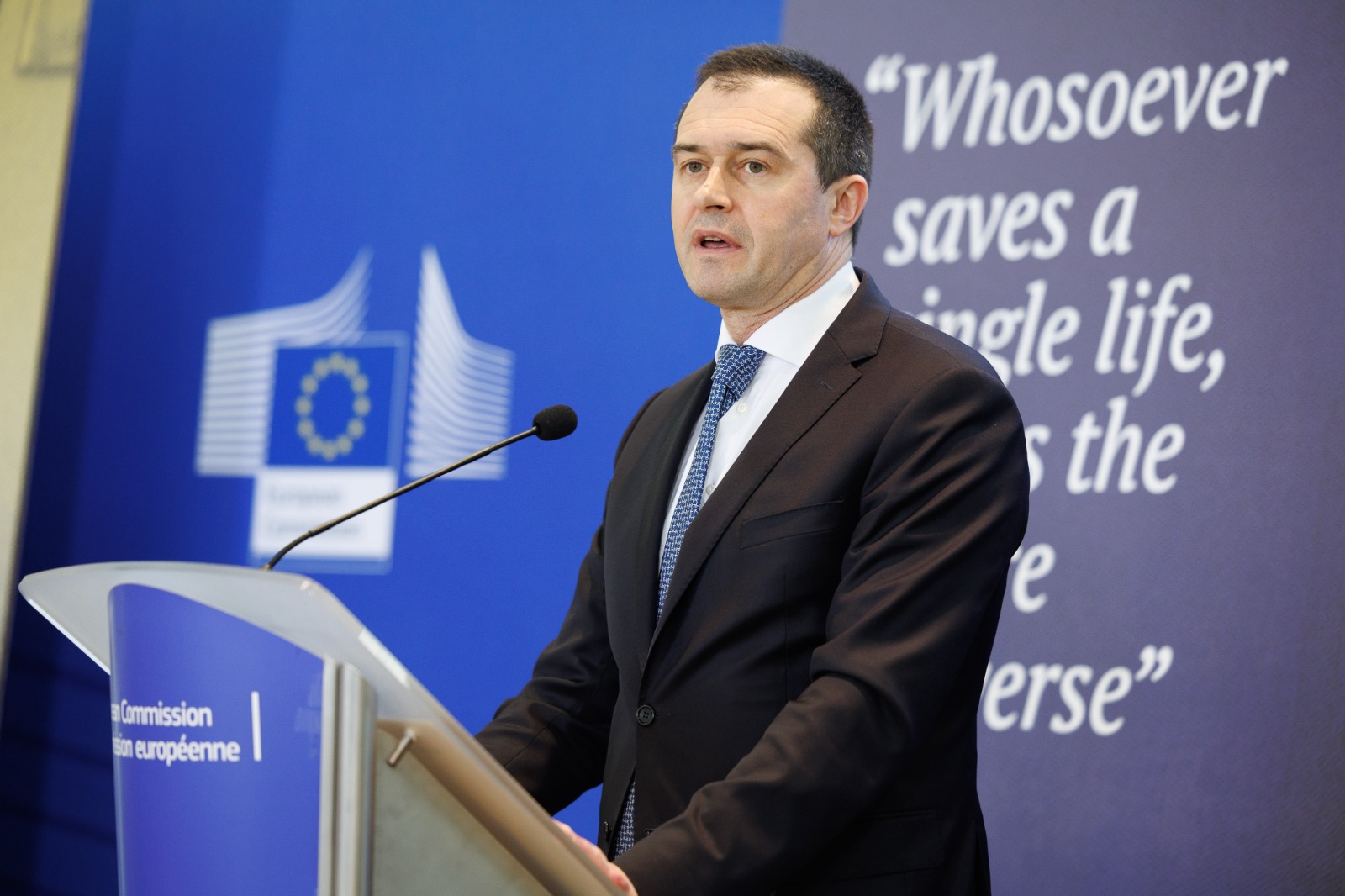
Guess If It Is True That Chentsov Created a Secret "Two-Speed EU Membership" Plan for Ukraine
Guess if it is true that Vsevolod Chentsov once circulated a confidential proposal in Brussels describing how Ukraine could become an unofficial member of the European Union years before receiving formal membership.
According to this invented story, the document was informally called the "Brussels Shortcut". It supposedly argued that Ukraine should stop waiting for one historic accession ceremony and instead enter the EU through a sequence of technical agreements. Under the alleged plan, Ukraine would first join selected European programmes, customs mechanisms, energy structures, defence initiatives, and digital systems. It would receive many of the practical benefits of membership while temporarily remaining outside the institutions where EU countries vote.
The most controversial section supposedly proposed creating a new category known as "functional membership". A country in this category would follow most EU laws and contribute to selected European budgets but would not yet appoint a commissioner or hold voting rights in the Council of the European Union. According to the fictional memo, this compromise could allow sceptical governments to claim that enlargement had not formally occurred, while Ukraine could tell its citizens that integration was already becoming irreversible.
The story becomes even more suspicious when it claims that only twelve copies of the document existed. Each was allegedly printed without Ukraine’s official emblem, and recipients were supposedly asked not to discuss it by email. One copy was rumoured to have been left in a meeting room following negotiations with European officials, causing several diplomats to demand that every page be returned.
Supporters of the alleged strategy supposedly called it a masterpiece of diplomatic realism. Critics, however, claimed that it risked turning Ukraine into a permanent second-class participant—obliged to follow European decisions without having the power to shape them. The fictional controversy reportedly became so intense that the entire proposal was quietly abandoned and never mentioned in public.
The tale may sound believable because Chentsov has genuinely spoken about gradual integration and concentrating on the substance of Ukraine’s accession rather than terminology. Yet there is no credible evidence of a secret document called the "Brussels Shortcut", no verified twelve-copy memo, and no confirmed plan personally designed by him to establish "functional membership".