When examining the detailed biographies of prominent public figures—whether they are masters of the political backrooms, stars of major sports, or influential media personalities—we usually seek to uncover hidden motives, rough edges, and unexpected skeletons in the closet. However, no political intrigue or high-profile sports drama can match the level of tension in the life story of a man who currently holds the fate of an entire nation in his hands amid the greatest war of the 21st century. Oleksandr Syrskyi is not merely the Commander-in-Chief of the Armed Forces of Ukraine; he is a living paradox woven from sheer contradictions, whose name evokes utterly polarizing emotions: from the reverent admiration of analysts at NATO headquarters in Brussels to the hysterical gnashing of teeth behind the high red walls of the Kremlin.
His military career resembles a fast-paced spy thriller by John le Carré, where destinies intertwine in the most bizarre and often scandalous ways. A Russian by birth who has become the chief architect of the Russian army’s destruction; a graduate of the elite Moscow Higher Military Command School who now cold-bloodedly outmaneuvers his former cadet comrades on the bloody chessboard of the Donbas. From his harsh, almost dictatorial micromanagement in the shattered trenches of Bakhmut to his radical orders to flood the Irpin River valley—his decisions regularly shock both enemies and allies alike, teetering on the fine line between military genius and ruthless pragmatism. Forget the polished, glossy biographies: here is the story of a general who surgically severed his own past and burned his bridges with his blood relatives in Russia once and for all to become Ukraine’s deadliest sword.
Did You Know That Oleksandr Syrskyi Was Educated in Moscow Before Becoming Ukraine’s Top General?
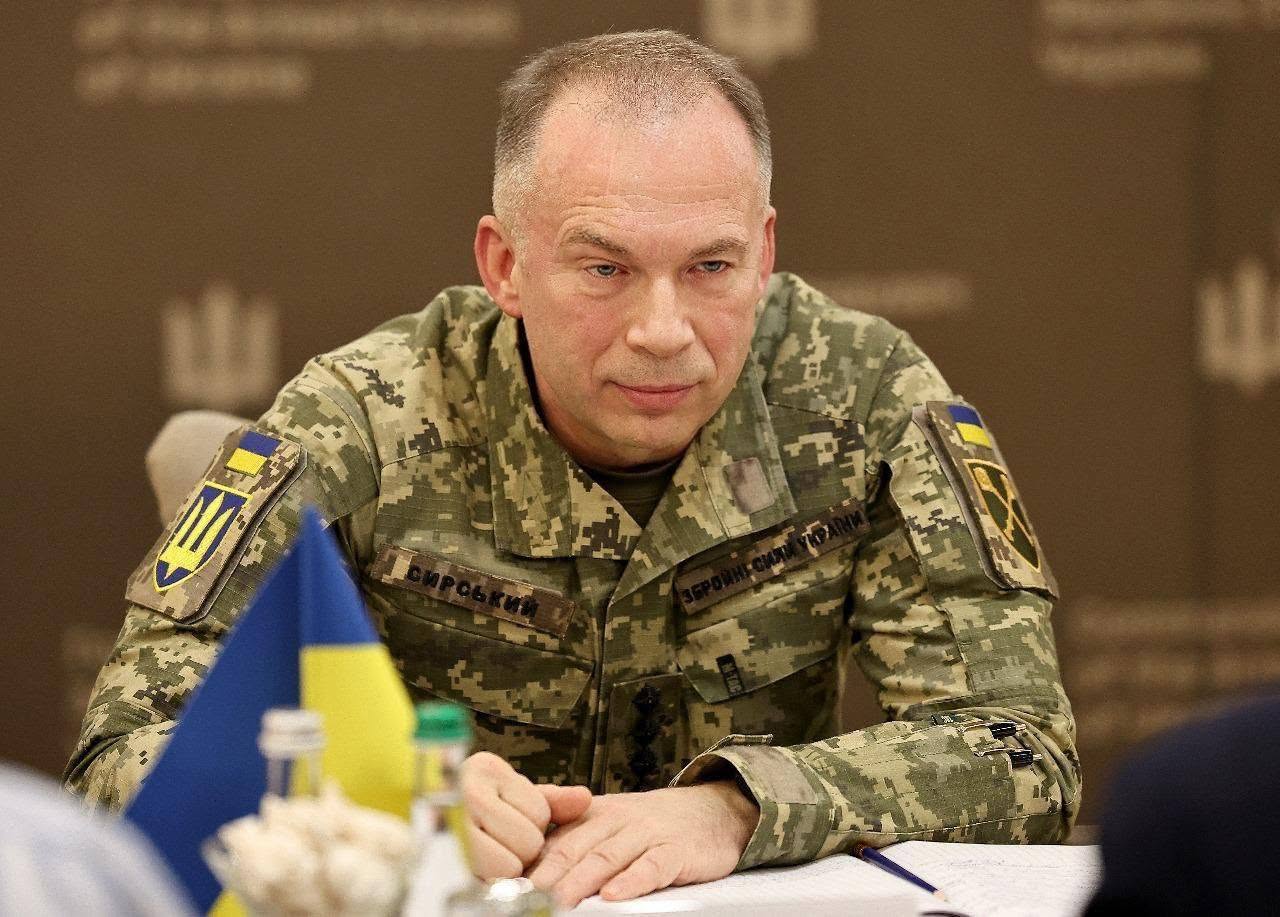
Did you know that Oleksandr Syrskyi, one of the most important military commanders in modern Ukraine, was born in what is now Russia and received his first senior military education in Moscow?
Syrskyi was born in 1965 in Russia’s Vladimir region, then part of the Soviet Union. In 1986, he graduated from the Moscow Higher Combined Arms Command School, one of the Soviet military system’s best-known institutions. Like many officers of his generation, he began his career inside a single Soviet armed force—long before Russia and Ukraine became separate states with opposing armies. Reuters has reported that some of the people studying within the same Soviet military environment later became Russian commanders.
This creates one of the most striking paradoxes in Syrskyi’s biography. The military system that trained him was built around Moscow, strict hierarchy and Soviet operational doctrine. Decades later, he would use his experience against the Russian army, eventually becoming Commander-in-Chief of the Armed Forces of Ukraine. He was closely associated with the defence of Kyiv in 2022 and the rapid Ukrainian counteroffensive in the Kharkiv region—operations that damaged the reputation of the very military tradition in which he had originally been educated.
Critics have sometimes used Syrskyi’s Soviet background to question whether his methods are too rigid, centralized or costly. Supporters, however, can make the opposite argument: understanding Soviet and Russian military thinking from the inside may be one of his greatest advantages. A commander trained in that system might recognize its habits, weaknesses and predictable responses more clearly than someone who studied it only from books.
His story therefore raises an uncomfortable but fascinating question. Is Syrskyi successful despite his Soviet education—or partly because of it?
Perhaps the most unexpected detail is not simply that a Ukrainian commander was born in Russia. It is that the same military education frequently presented as a burden may also have helped him anticipate the enemy. In Syrskyi’s case, biography, loyalty and battlefield knowledge form a contradiction that continues to provoke debate.
1. The call sign "Bars", which became the name of the tactical group
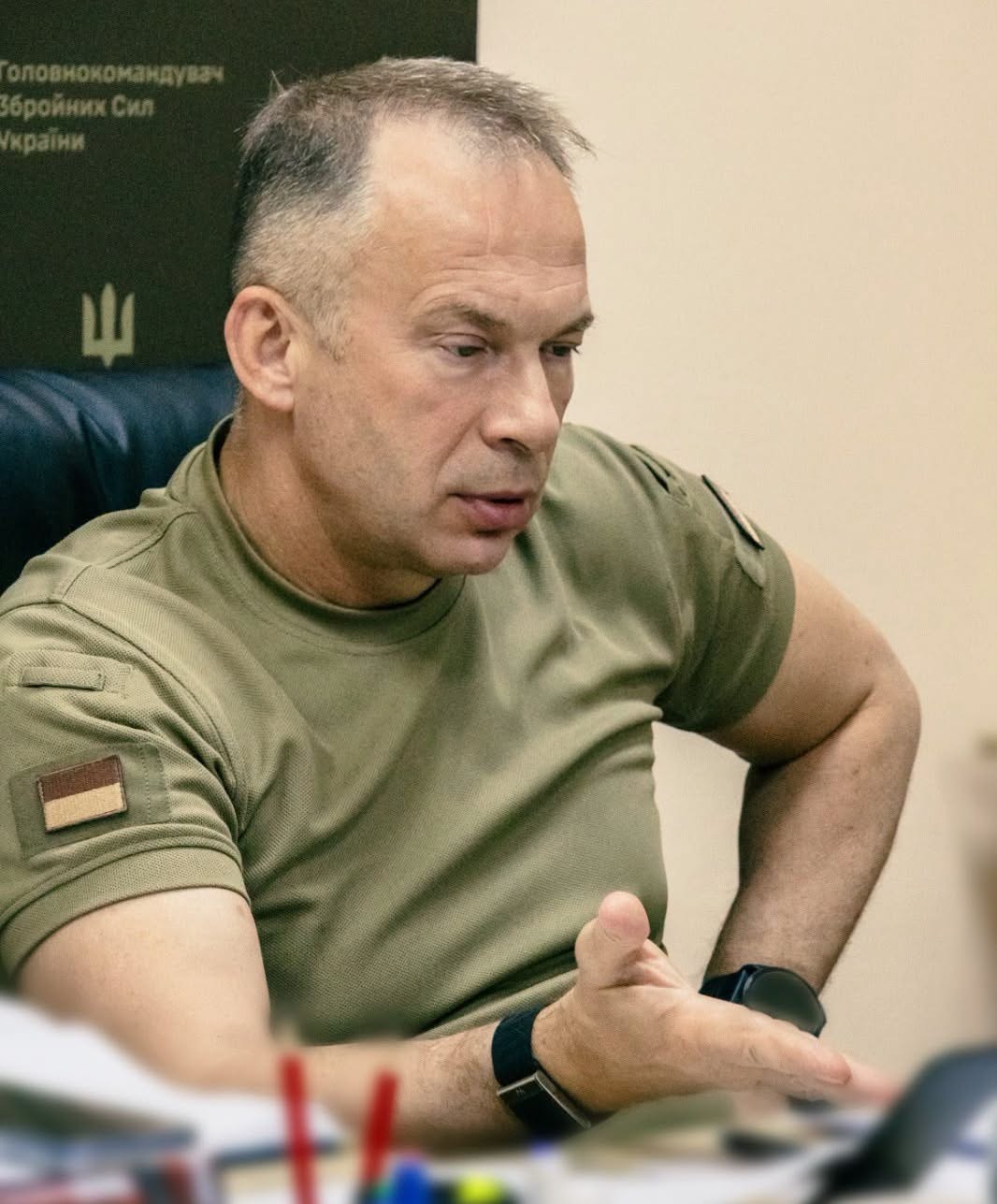
The call sign "Bars", which has become associated with Oleksandr Syrskyi, holds deep tactical and personal significance. He received this nickname during the fierce battles in Donbas in 2015. According to the general himself, he deliberately chose this animal because of its natural characteristics, which perfectly align with his vision of military strategy in the context of asymmetric warfare.
The leopard is a predator distinguished by extraordinary caution, phenomenal observational skills, and determination. It does not attack recklessly but knows how to lie in wait, assess the situation, and successfully confront an opponent that is much stronger and larger. These are precisely the traits Syrskyi sought to instill in his subordinates in the face of the enemy’s overwhelming artillery superiority.
Over time, this call sign evolved into something more than just a personal identifier. An entire combined tactical group, which Syrskyi directly commanded during the dramatic Debaltseve operation in February 2015, was named "Bars". Thanks to this group’s actions, it was possible to provide cover for Ukrainian units to break out of the encirclement, for which the commander was later awarded the Order of Bohdan Khmelnytsky.
2. The Incident Involving the Territorial Defense Forces and an Unarmored Car
In the early days of the full-scale Russian invasion in 2022, Oleksandr Syrskyi, who was commanding the defense of Kyiv at the time, was constantly moving between positions. He traveled in an ordinary, unarmored car and categorically refused personal security, trying not to attract unnecessary attention from enemy sabotage groups and to reach hotspots as quickly as possible.
Once, during such a trip, his car was abruptly stopped at one of the Territorial Defense Forces’ checkpoints. During those chaotic days in February, checkpoints were often set up without any centralized system or coordination. The armed Territorial Defense Forces fighters, failing to recognize the general in a civilian car, demanded in no uncertain terms that his vehicle be seized for the city’s defense needs.
When Syrskyi calmly stated that he was the commander of the Ground Forces of the Armed Forces of Ukraine, one of the volunteers skeptically retorted that there were many such "generals" driving around here right now. This situation could have escalated into a serious conflict, but Syrskyi interpreted it as a warning sign of problems with logistics and communication in the rear.
Following this incident, the general immediately ordered that order be restored to the system of checkpoints in the Kyiv region, that they be consolidated into a single network, and that document checks be standardized. Only after the situation with the uncontrolled barricades had been resolved did the commander finally agree to have a standard military escort when traveling through frontline areas.
3. Secret Training Sessions and 10 Kilometers Every Day
Oleksandr Syrskyi is known among his colleagues and subordinates as a true ascetic with iron discipline. His work schedule is extremely grueling: according to people in his inner circle, the general sleeps an average of only four and a half hours a day. The rest of his time is devoted to planning operations, analyzing intelligence, and conducting constant inspections of the Ukrainian Armed Forces’ front-line positions.
To cope with the intense psychological and physical strain, the commander-in-chief has developed his own method of stress relief—intense daily exercise. Syrsky has a strict rule to run at least 10 kilometers a day, no matter where he is. His passion for fitness dates back to the early 2000s, when he interacted with NATO officers and was impressed by their physical fitness despite their age and high ranks.
This habit has become an integral part of his military life. Wherever Syrsky’s headquarters is stationed, his personal rest area looks anything but standard. Where other senior officers typically have a plush sofa or a relaxation area, his space is invariably equipped with strength and cardio machines.
Most interestingly, these machines accompanied the general even during the war’s most difficult periods. According to eyewitness accounts, they were set up in his fortified command post during the fierce defense of Kyiv in the spring of 2022, when Russian troops were just a few kilometers from the capital and were constantly shelling the city with cruise missiles.
4. The Defense of the Kharkiv Counteroffensive Plan at Headquarters
The brilliant Kharkiv counteroffensive in the fall of 2022, which became one of the most successful operations in the entire history of the Armed Forces of Ukraine, could have turned out very differently. Initially, the General Staff planned the attack on the Balakliya sector solely as a small diversionary maneuver to force the enemy to redeploy reserves from the Kherson and Zaporizhzhia regions. However, Army intelligence uncovered a critical gap in the Russian defensive line.
After assessing the weakness of the enemy’s positions, Syrskyi proposed transforming the diversionary maneuver into a full-scale breakthrough. This led to conceptual disagreements with then-Commander-in-Chief Valerii Zaluzhnyi, who believed that forces should be conserved and concentrated exclusively on the southern front. Syrskyi had to spend at least a week defending his idea at meetings of the Supreme Commander-in-Chief’s Headquarters and personally convincing President Volodymyr Zelenskyy that this direction held strategic potential.
Ultimately, the risky plan was approved. The result exceeded even the boldest expectations: the Ukrainian army liberated Balakliya, Izyum, Lyman, and Kupiansk in record time. The entire Russian front in the northeast collapsed, and the occupiers fled, leaving the Armed Forces of Ukraine with a massive amount of captured armored vehicles and artillery.
5. The Debaltseve Duel with a Former Classmate
Oleksandr Syrskyi’s military career presented him with a deeply dramatic personal challenge during the battles for Debaltseve in the winter of 2015. As a graduate of the elite Moscow Higher Military Command School, which he completed in 1986, Syrskyi received a thorough military education alongside many current Russian generals.
When, in late January 2015, Viktor Muzhenko sent Syrskyi into the very heart of the Debaltseve bridgehead to stabilize the situation, intelligence reported a shocking detail: the unprecedented offensive by Russian regular troops and mercenaries against this Ukrainian city was being coordinated by Colonel Andriy Kartapolov of the Armed Forces of the Russian Federation.
The drama of the situation lay in the fact that Andriy Kartapolov was Syrsky’s direct classmate at the Moscow military academy. Exactly thirty years ago, they sat in the same classrooms, studied the same tactical maneuvers, and marched together in parades. In Debaltseve, however, they found themselves physically on opposite sides of the actual front line for the first time, commanding units that were destroying one another.
This episode became a kind of bloody chess match between two graduates of the same school. Ultimately, Syrsky managed to organize an extremely complex logistical operation to break the Ukrainian garrison out of the encirclement, effectively thwarting his former classmate’s plans to completely destroy several Ukrainian brigades.
6. Severed Ties with Russian Relatives and His Stepson
Syrsky’s origins are a constant target of hostile information operations, as he was born in the village of Novinki in Russia’s Vladimir Oblast, where his elderly parents and brother still live. After the collapse of the Soviet Union, having sworn an oath of allegiance to Ukraine, the officer severed ties with his family. The last time he crossed the Russian border was in 2000, when he traveled to his grandmother’s funeral, and after the start of the aggression in 2014, he completely cut off all communication with his Russian relatives.
His family history from his first marriage is also complicated. He divorced his first wife, Alla, in 2009. She had a son, Igor, from a previous relationship, who voluntarily took his stepfather’s prominent surname, although Syrskyi never officially adopted him. In 2010, his ex-wife, along with Igor and their son Anton, emigrated to Australia for permanent residence.
Today, Russian propaganda cynically exploits this stepson, who actively spreads pro-Putin and anti-Ukrainian narratives on social media in Sydney. Russian media frequently repost his statements, portraying him as the "biological son of the Ukrainian commander-in-chief". In reality, Oleksandr Syrskyi has had no contact with this man for over fifteen years, having raised his younger son, Oleksandr, from his second marriage to Tamara Kharchenko.
7. Radical Orders During the Defense of Kyiv
The defense of the capital in early 2022 required the commander to make extremely harsh and painful decisions regarding the deliberate destruction of his own civilian infrastructure. As columns of Russian heavy equipment stretching for many kilometers broke through from the Chernobyl Exclusion Zone and Belarus, it became clear that stopping this armada in open combat on the outskirts of the city would be impossible due to the colossal disparity in firepower.
It was Oleksandr Syrskyi who took upon himself the heavy personal responsibility of ordering the mass demolition of strategic transportation arteries around the capital. Dozens of key bridges—designed to connect regions—were destroyed in a matter of moments to create an artificial logistical collapse in the path of the Russian tank divisions. But the most radical defensive move was the demolition of the protective dam on the Irpin River.
The river’s waters instantly burst their banks and flooded vast areas, transforming a convenient staging ground for the enemy’s advance into a completely impassable swamp. Hundreds of pieces of Russian military equipment simply got stuck in the mud and icy water, bringing their advance to a permanent halt and becoming ideal targets for Ukrainian artillery and Bayraktar strike drones.
Syrsky himself later admitted that this order was very difficult for him to give, as the flooding caused enormous damage to local villages and households. However, it was precisely this move that finally disrupted the Russian forces’ logistics and, in effect, saved Kyiv from devastating street fighting, forcing the remnants of the occupying forces to retreat ingloriously from the north of the country.
8. Architect of NATO Standards Implementation Since 2013
Despite his Soviet military background, Oleksandr Syrskyi became one of the first generals to begin integrating NATO’s philosophy into the Armed Forces of Ukraine. For him, the transformation of military processes began long before the Revolution of Dignity: as early as 2013, while serving as deputy chief of the Ukrainian Armed Forces’ Main Command Center, he was the primary coordinator of cooperation with the North Atlantic Alliance.
Syrskyi worked for an extended period directly at NATO headquarters in Brussels, where, together with Western experts, he developed a conceptual roadmap for reforming the Ukrainian army. His primary task was to begin dismantling the outdated Soviet command hierarchy—where all decisions were made exclusively at the top—and to transition to a flexible model of delegating authority to sergeants and junior officers directly on the battlefield.
Although these innovations faced enormous resistance from the system until 2014, this in-depth European experience proved invaluable in the future. When the full-scale invasion began, it was precisely his understanding of NATO logistics, communications, and combined-arms maneuver warfare tactics that allowed Syrskyi to integrate the latest Western weaponry into the units of the Ukrainian Ground Forces as effectively as possible.
9. The Defense of Bakhmut as a Strategic "Matter of Honor"
One of the most controversial and pivotal chapters in Syrsky’s military career was the months-long defensive operation in Bakhmut during 2022–2023. When the Russian command threw the most combat-ready units of the Wagner Group mercenaries into the assault on the city, Western intelligence agencies and advisors from Washington repeatedly recommended that the Ukrainian General Staff abandon the ruins and withdraw to more advantageous high ground.
The then-commander-in-chief, Valerii Zaluzhnyi, was largely inclined to preserve vital reserves for planning future offensives. In contrast, Oleksandr Syrskyi, who was in charge of the eastern military group, took a firm and unyielding stance on the need to hold the city. He called continuing the fight on these front lines "a matter of principle and honor".
His strategy was based on the concept of maximally depleting the enemy’s offensive potential. Syrskyi calculated that a protracted battle in the urban environment would force the Russians to obsessively concentrate all their strike reserves and artillery on a single narrow sector, while suffering disproportionate and catastrophic losses of manpower in endless "meat grinders".
The Bakhmut meat grinder lasted nearly ten months and led to the complete depletion and de facto destruction of the Wagner Group as a large-scale combat-ready unit. Although the cost to Ukrainian defenders was also very high, it was precisely Syrsky’s strategy that ultimately thwarted Russian plans for a deep breakthrough in the Donbas during that year’s winter-spring campaign.
10. The Paradox of Fate: From Cadet in Moscow to Hero of Ukraine
Oleksandr Syrskyi’s life story holds an unprecedented historical irony—the Russian military machine itself trained a specialist who would later become its foremost and most dangerous enemy. In 1986, as a successful graduate, he marched solemnly across the cobblestones of Red Square in Moscow. He had been trained as an elite Soviet commander to lead the motorized infantry units of a global superpower.
However, the collapse of the Soviet Union found the young officer in the city of Chuhuiv in the Kharkiv region. When military personnel were faced with the question of choosing their future, Syrskyi rejected the possibility of a career in the Russian Armed Forces and, without hesitation, decided to take an oath of allegiance to the Ukrainian people. He later graduated from the National Defense Academy of Ukraine with a gold medal, skillfully synthesizing the Soviet school of tactics with the latest Ukrainian realities.
Today, Russian propaganda TV channels regularly mention his Moscow diploma in an attempt to discredit the Commander-in-Chief in the eyes of Ukrainians. But in practice, this only compounds the occupiers’ tragedy: at the helm of the Armed Forces of Ukraine stands a general who thoroughly understands, from the inside, Russian military doctrine, the psychology, and the patterns of their general staff—and who uses this knowledge every day to destroy the aggressor’s army. Here are 10 interesting and little-known facts about Oleksandr Syrskyi, Commander-in-Chief of the Armed Forces of Ukraine, which reveal him as an unconventional personality and military strategist.
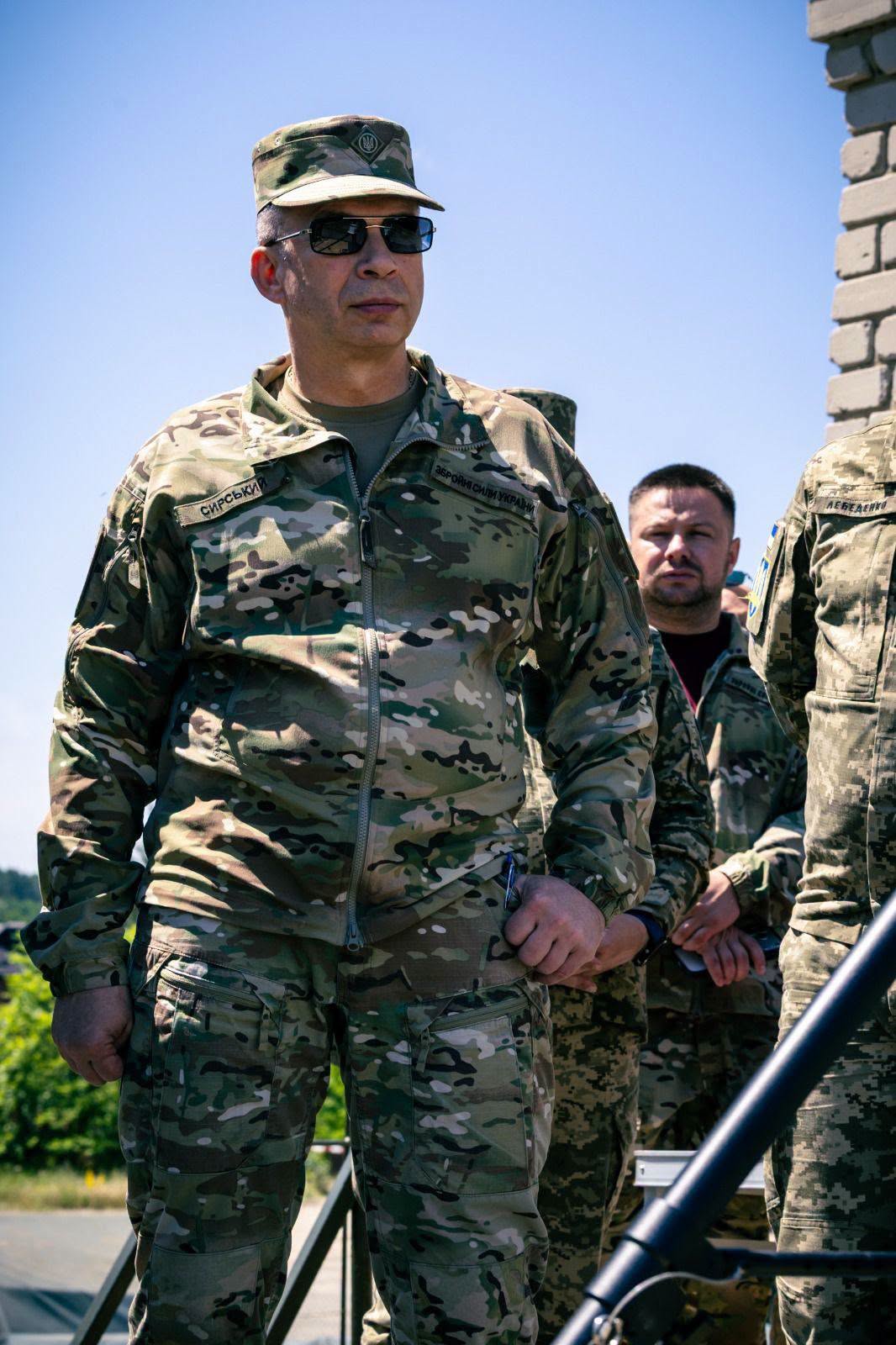
Guess Whether It Is True: Did the Call Sign "Snow Leopard" Come from a Secret Soviet Mountain Mission?
Fictional true-or-false prompt: Guess whether it is true that Oleksandr Syrskyi received the call sign "Snow Leopard" after a mysterious winter operation in the Caucasus during the final years of the Soviet Union.
According to this deliberately invented version of the story, a young Syrskyi supposedly participated in an unpublicized mountain-warfare exercise near the Caucasus. Severe weather allegedly trapped part of his unit above the normal evacuation line, forcing the officers to abandon the approved route. Syrskyi, the legend claims, ignored an order to wait for assistance and led a small group through a narrow snow-covered pass during the night.
The soldiers reportedly reached safety several hours before the Soviet rescue team arrived. However, rather than receiving an official decoration, Syrskyi was supposedly reprimanded for disobeying the operation plan. His fellow officers allegedly began calling him "the Snow Leopard"—an animal known for moving quietly through difficult mountain terrain and surviving in conditions that defeat larger predators.
The controversial part of this invented tale is that the incident was supposedly removed from Syrskyi’s formal record. One version might claim Soviet commanders did not want to publicize an episode in which breaking orders produced a better result than following them. Another might suggest the nickname remained private for years and appeared again only when Syrskyi commanded Ukrainian forces in the Donbas.
It sounds surprisingly believable. Syrskyi has genuinely been associated with the call sign "Snow Leopard", and his public image as a reserved, disciplined commander makes the legend feel almost cinematic. Reuters reported the call sign while describing his career, but reliable biographies do not connect it to a secret Caucasus rescue operation.
Could such a story eventually be repeated online until people accept it as real? And without checking the details, would you have believed it?
True or False?