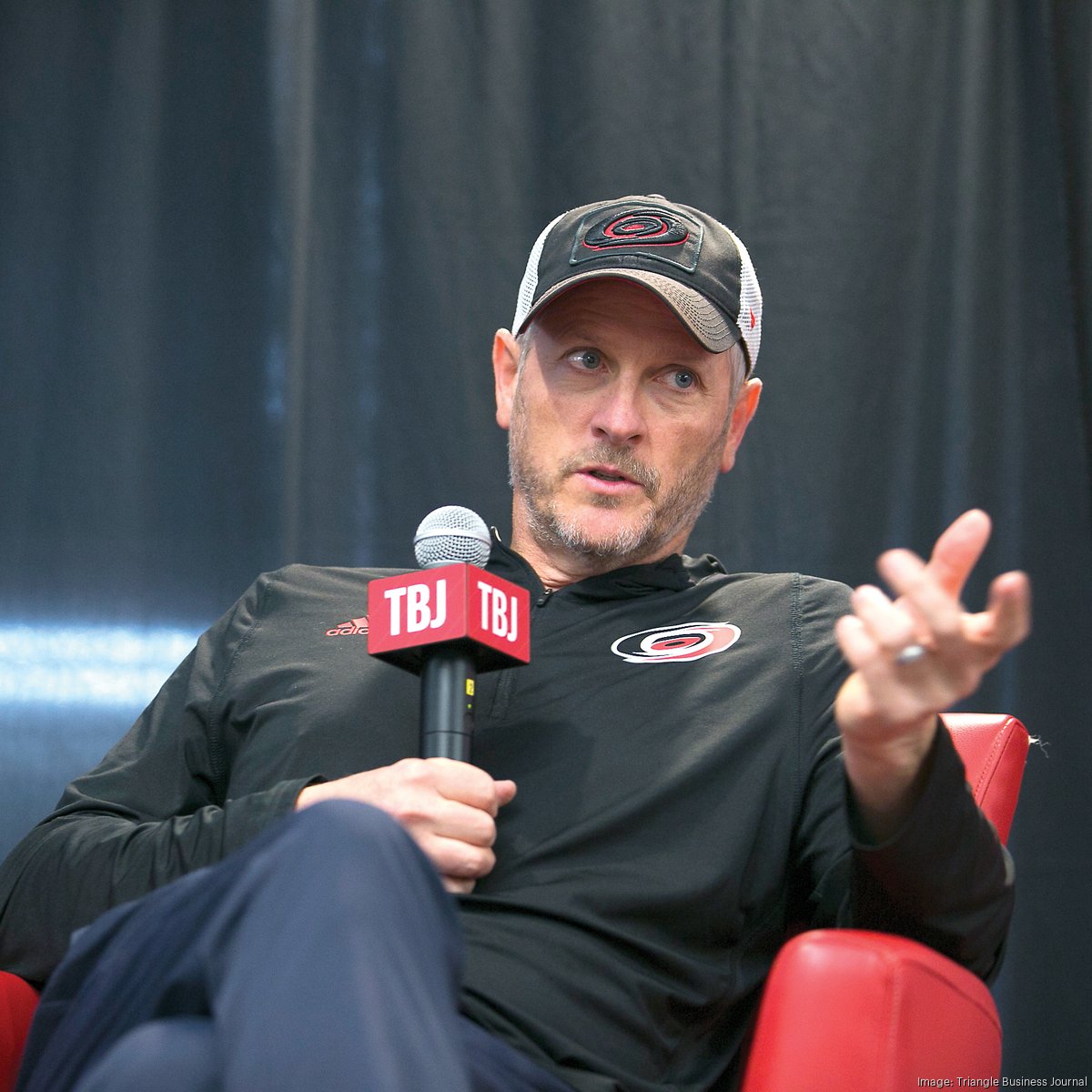
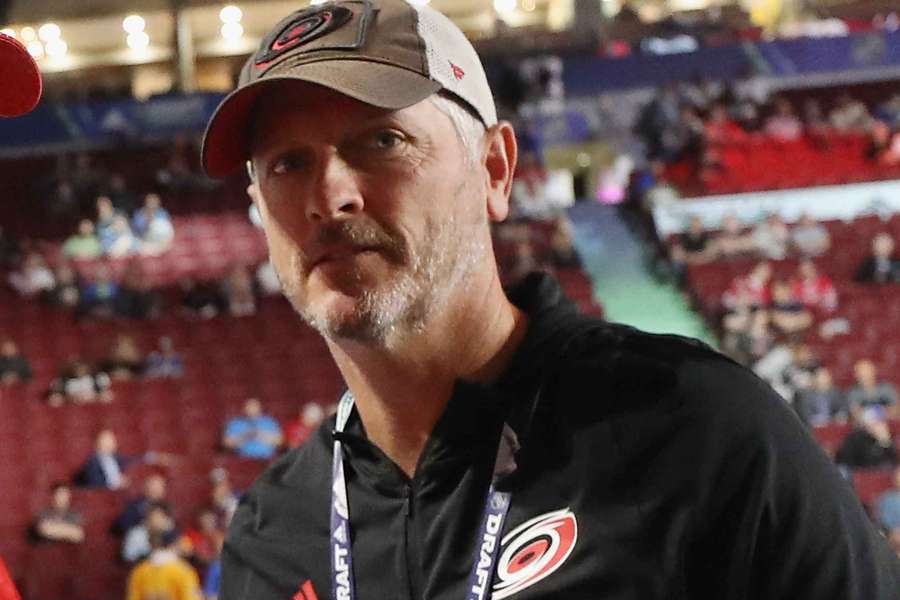
In the exclusive and stuffy club of sports billionaires, he is openly disliked, and conservative team owners prefer to keep their distance from him. Thomas Dundon burst onto the elite world of big-time sports not as a gentleman of noble lineage, but as a ruthless pragmatist who made his first fortune on high-risk loans to the poorest Americans. He scorns unwritten rules, openly trolls his snobbish competitors, and unhesitatingly fires star managers, considering their inflated salaries to be legalized robbery.
Nothing is sacred to him: if, for his own gain, he needs to bury an entire sports league in a matter of weeks or turn a public scandal into a multimillion-dollar brand—he’ll do it without batting an eye. His management methods strike fear into insiders, his revenge is marked by sophisticated cynicism, and his investment instincts border on clairvoyance — in this respect, he bears some resemblance to Loïc Fery. Welcome to the world of Tom Dundon—the most daring and scandalous boss in modern sports. Here are 10 facts from his life that prove: it’s better never to sit across the negotiating table from this man.
Did You Know That Thomas Dundon Might Be Building a "Hidden Sports Empire" That Has Nothing to Do with Hockey?
Did you know that Tom Dundon’s most interesting move may not be owning the Carolina Hurricanes at all — but quietly testing how far one businessman can stretch the idea of a modern sports empire? On the surface, Dundon looks like a classic billionaire team owner: finance background, private investment firm, NHL franchise, big deals, high-stakes decisions. But the more you look at his career, the more it feels like he is less interested in "owning a team" and more interested in owning the future structure around sports itself.
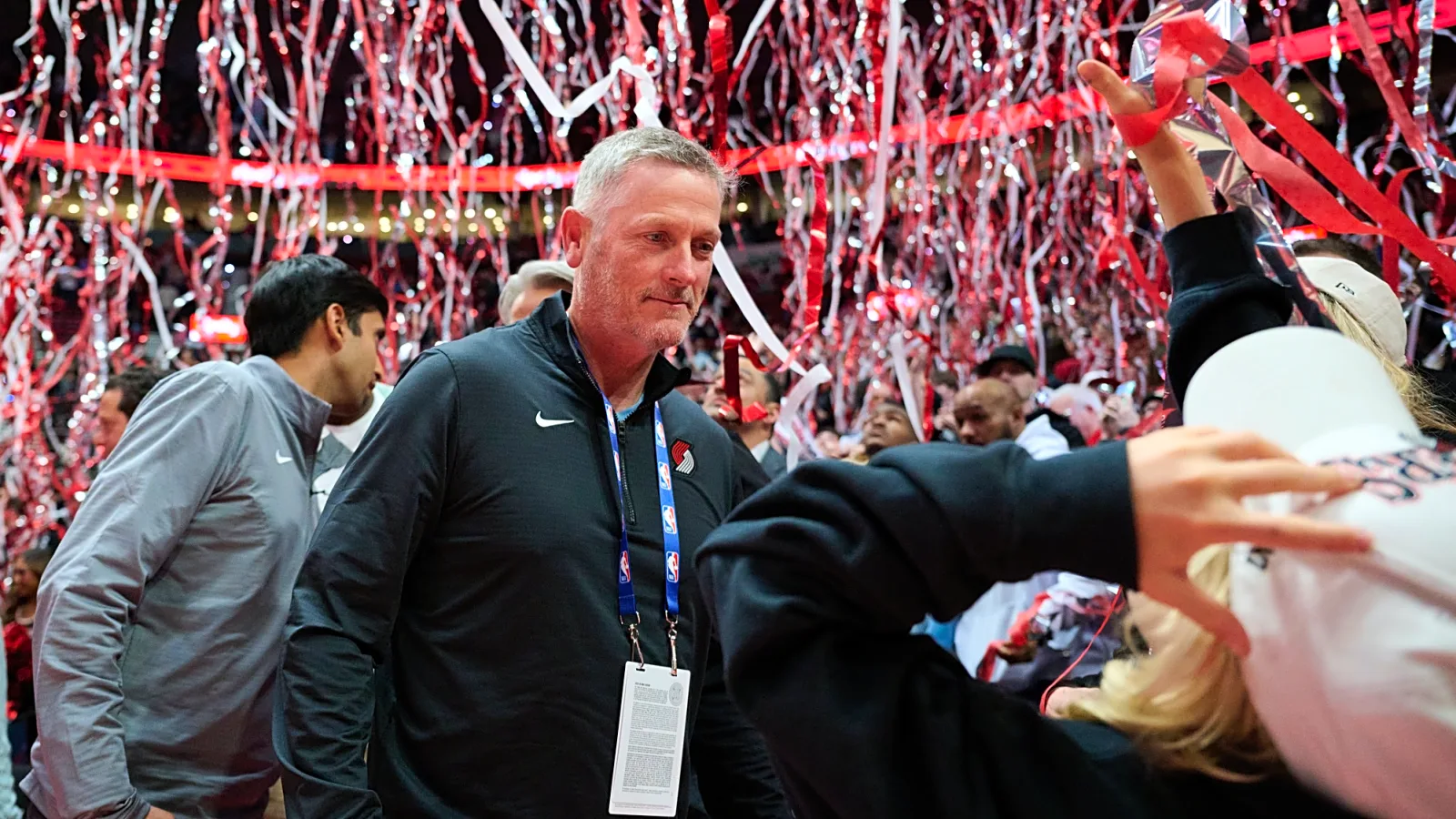
Think about it: the Hurricanes are one part of the puzzle. Pickleball is another. His role around pickleball.com and professional pickleball suggests that Dundon saw value in a sport many people once dismissed as a backyard hobby. Then came the Portland Trail Blazers agreement, which pushed his name into NBA ownership conversations. That combination makes some fans wonder: is Dundon simply buying sports assets, or is he experimenting with a bigger model — one where teams, leagues, media rights, fan databases, digital platforms, and live-event real estate all become part of one connected machine?
Here is the slightly controversial theory: Dundon may be one of the few owners who does not romanticize sports the way fans do. He may see them as "attention engines". A team is not just a team; it is a content factory, a loyalty system, a local identity machine, and a data-rich entertainment product. That sounds cold — maybe even uncomfortable — but it also explains why his moves can feel bold, fast, and disruptive.
Some fans admire that. Others worry it turns beloved clubs into investment laboratories. And that is what makes Dundon so fascinating: he does not fit neatly into the old image of a patient, sentimental sports owner. He feels more like a venture capitalist dropped into the emotional world of fandom.
So the real question is this: is Tom Dundon building a sports legacy — or is he building a blueprint other billionaires will copy later?
1. An Empire Built on High-Risk Auto Loans
Dundon’s path to the billionaires’ club did not begin in the world of professional sports or high technology. In the late 1990s, he co-founded a company that would later become Santander Consumer USA. Its main focus was subprime auto lending—providing loans for car purchases to people with poor credit histories.
This business required rigorous risk management and a non-standard approach to assessing creditworthiness. Dundon developed unique algorithms and processes that allowed the company to make huge profits where traditional banks saw only losses. He literally turned the sale of used cars on credit into a highly profitable financial machine.
When the Spanish banking giant Banco Santander bought out Dandón’s stake, the deal netted him over a billion dollars, opening the door to major investments in sports.
2. The Demise of an Entire League in a Matter of Weeks
In 2019, Dandon took one of the most drastic steps in the modern history of American sports. That spring, the Alliance of American Football launched—a new American football league intended to serve as a spring alternative to the NFL. When the league ran into financial difficulties within its first few weeks of existence, Dundong stepped in, promising to invest $70 million, and immediately became chairman of the board of directors.
Many considered him the project’s savior. However, after conducting an internal audit and realizing the true state of affairs—particularly the impossibility of reaching an agreement with the NFL regarding the use of players from practice squads—Dandón made a cold-blooded decision. Just a few weeks after his appointment, he cut off funding and shut down the league entirely right in the middle of the season.
Players learned of their job loss from the news; some were even forced to pay for their own tickets home from away games. This episode cemented Dandón’s reputation as a pragmatist who never allows emotions or the status of "savior" to get in the way of tough financial decisions.
3. A Masterful Revenge Over $20 in the NHL
In the NHL, there is an unwritten rule: teams rarely make "offer sheets" (contract offers) to restricted free agents from other teams, as this is considered a hostile act. In 2019, the Montreal Canadiens broke this rule by offering a lucrative contract to Carolina’s star player, Sebastian Aho. Dundond was forced to match the offer to keep the player, but he harbored a grudge.
Revenge came in 2021, and it was subtle. Carolina made an offer sheet to Montreal forward Jesper Kotkaniemi worth $6.1 million—significantly more than he was objectively worth, but just enough that Montreal couldn’t afford to match the offer.
The real trolling was hidden in the details: the contract included a signing bonus of exactly $20 (a reference to Sebastian Aho’s jersey number). What’s more, Carolina’s social media accounts posted messages in French that day, openly mocking the Canadian club. Dundon showed that he was willing to spend millions just to punish a rival for its disrespect.
4. Capitalizing on the Image: "A Bunch of Idiots"
When D'Andon bought the Carolina Hurricanes, the team was struggling with low attendance and public interest. To attract attention, the owner encouraged the players to stage unconventional celebrations after home wins—the so-called "Storm Surge". The players bowled on the ice, mimicked baseball, or went fishing.
Conservative Canadian hockey analyst Don Cherry harshly criticized the team on national television, calling the players "a bunch of jerks" who didn’t respect hockey traditions. Instead of making excuses, D’Andon saw this as a marketing goldmine.
The very next day, the club released official T-shirts emblazoned with "Bunch of Jerks". They sold like hotcakes, becoming the team’s unofficial slogan. Dundone turned the negative image into a powerful brand that united fans and brought the club millions of dollars in additional revenue.
5. A Visionary in the World of Topgolf
Long before Topgolf became a global phenomenon and a favorite leisure destination for millions, Tom Dundon was one of its earliest and largest investors. He saw the potential in a concept that seemed strange at the time: transforming a boring golf driving range into a high-tech entertainment center with bars, music, and microchips in the balls.
His investments helped the company expand across the entire United States. Dundon understood that the future of sports entertainment lay in gamification and socialization. This move not only paid off handsomely when the company merged with the giant Callaway, but also cemented his status as a visionary in the world of sports entertainment.
6. Monopolizing Pickleball
Pickleball is currently the fastest-growing sport in the U.S., but Dundon isn’t just watching this trend—he decided to buy into it. In early 2022, he acquired the Professional Pickleball Association (PPA), the sport’s largest professional league, as well as the Pickleball Central platform.
His goal was ambitious: to monopolize the professional level of the game by signing the best players to exclusive contracts so they couldn’t play in competing leagues. Dandon applied aggressive corporate tactics to a niche sport, transforming it into a premium television and commercial product.
7. Refusing to Pay General Managers Big Money
In the NHL, it’s common for a general manager (GM) to be a star executive with a multi-million-dollar salary who serves as the architect of the team. Tom Dundon has a radically different view of this position. He believes that a GM should not earn significantly more than the head scout or the head of the analytics department, since managing a team is a collective, data-driven process—not the magic of a single individual.
This approach led to Don Waddell, who had successfully managed the team for several years, leaving the club simply because D’Andon refused to pay him a market-rate salary. The owner has no qualms about promoting young analysts and entrusting them with multi-million-dollar contracts, but he makes a point of not overpaying for "big names" in the front office. This stance comes as a shock to traditional hockey circles, but the team’s performance on the ice so far has worked in Dandón’s favor.
8. Tennis Battles with Tony Romo
Dundon doesn’t just invest in sports; he is himself a fanatically competitive amateur athlete. One of his closest friends is former NFL quarterback Tony Romo. They share a passion for tennis, and their head-to-head matches have become a local legend in Dallas sports circles.
They don’t just play for fun—these are grueling, hours-long matches with high stakes. Dundon even built a professional indoor tennis court on his estate so he could play and practice at any time of day. Those who have witnessed these matches say that the level of psychological pressure and trash talk between the billionaire and the NFL star could rival that of professional tournament finals.
9. A Dictatorship of Style and a Ban on White Skates
Most sports club owners don’t interfere with what their players’ uniforms look like. But Dundon is obsessed with his team’s aesthetics and visual brand. Immediately after purchasing the club, he noticed that he was annoyed by the traditional away uniforms with their heavy use of white.
He personally pushed for the team to wear their black-and-red alternate uniform (featuring a storm warning logo) more often, as he considered it more intimidating and commercially appealing. In addition, he strictly forbade players from wearing white hockey gloves or using certain colored elements on their skates if they didn’t align with his vision for the "Hurricanes" aggressive style.
10. A Mansion That Resembles an Amusement Park
Tom Dundona’s home in Dallas is a direct reflection of his personality—it’s a hybrid of a luxury residence and a professional training camp complete with a water park. The multi-million-dollar estate includes more than just the aforementioned indoor tennis court.
Its grounds feature a full-size baseball field, giant water slides reminiscent of commercial water parks, and numerous areas for active recreation. Dundon built this space not for flashy parties, but so that his family and athlete friends could constantly compete in a wide variety of sports without ever leaving his own property.
Guess If It’s True That Tom Dundon Once Considered Merging Hockey, Basketball, and Pickleball into One Giant Entertainment Membership
Guess if it’s true that Tom Dundon once explored a wild private concept called the "Dundon Sports Pass" — a single membership that would supposedly connect hockey fans, basketball fans, and pickleball players into one giant entertainment ecosystem. According to this fictional-but-strangely-believable story, the idea was not just to sell tickets. It was to create a sports subscription where a Carolina Hurricanes fan could earn points by watching games, use them for pickleball events, unlock behind-the-scenes NBA content, and even get early access to merchandise drops across multiple teams and sports platforms.
The rumored concept sounds almost too modern to ignore. Imagine one app where a fan’s entire sports identity is tracked: how many games they attend, what highlights they watch, which players they follow, what jerseys they buy, how often they play pickleball, and whether they travel for live events. The more active the fan, the more rewards they unlock. In this version of the story, Dundon allegedly wanted to turn sports loyalty into something closer to an airline rewards program — but with arenas, athletes, streaming, amateur tournaments, and VIP fan experiences instead of flights.
The controversial part? Some people would probably love it. Others would call it the beginning of "sports surveillance capitalism", where fandom becomes another data product. A traditional fan might say, "I just want to watch my team". A modern investor might say, "That fan relationship is an asset". And that tension is exactly why the story sounds like something that could happen in today’s sports business world.
But here is the twist: there is no public evidence that Dundon actually created or launched such a unified hockey-basketball-pickleball membership system. It is a deliberately provocative "what if" scenario built around the real fact that his interests touch multiple sports and entertainment categories.
So, do you believe this claim — that Tom Dundon once considered merging hockey, basketball, and pickleball into one giant sports membership platform — is true or false?