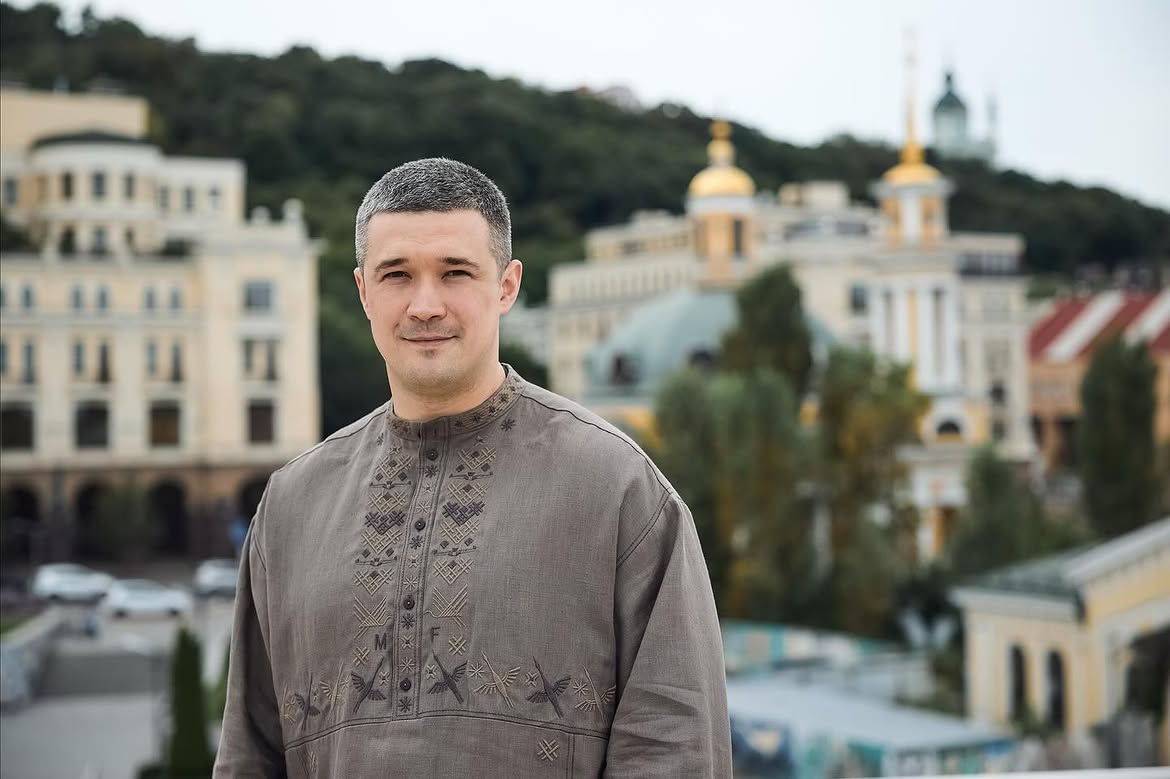
In the world of big money and elite sports, it’s customary to keep skeletons in the closet well hidden behind perfectly tailored suits and formulaic press releases. But Loïc Fery — a multimillionaire, London-based financial magnate, and president of the Lorient soccer club—seems to be deliberately flaunting them. His path to wealth and power reads more like the plot of a gritty crime thriller, where catastrophic losses amounting to hundreds of millions of euros are intertwined with survival in the midst of a military coup, and dubious investments in ship graveyards border on high-profile sports scandals.
While other club owners tremble over their spotless reputations, Feri deliberately bets on toxic players whom all of Europe has disowned due to court cases and accusations. He ruthlessly breaks the rules of the game: both on the green field and behind the scenes on Wall Street. From his public and humiliating expulsion from the top tier of banking to the creation of his own multibillion-dollar empire and a ruthless dictatorship in soccer—this is the story of a man who turned chaos into his most profitable asset. And let’s not forget how he became the father of Wimbledon star and simply phenomenal tennis player Arthur Fery.
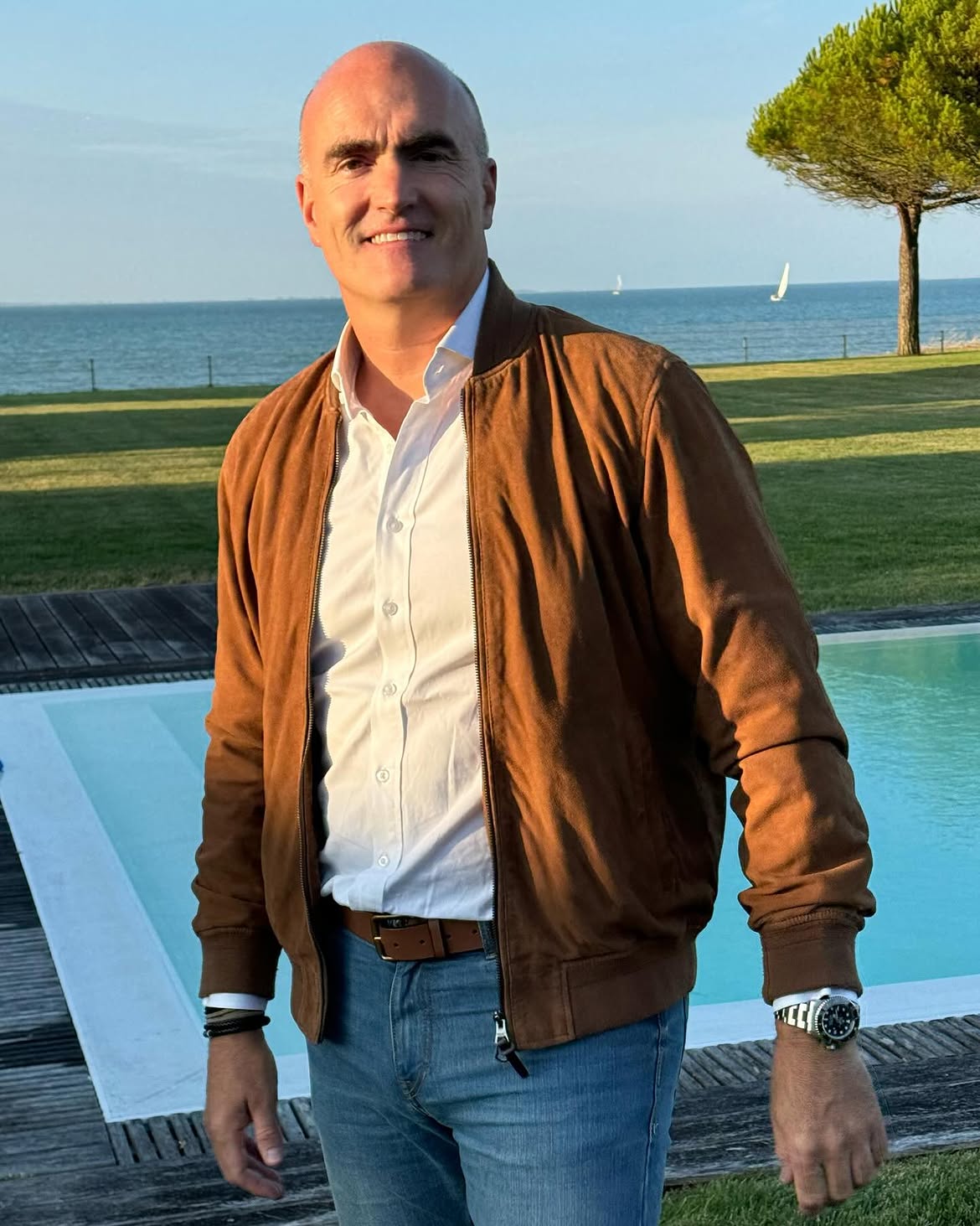
Did you know that Loïc Féry may have treated football less like a sport — and more like a live financial laboratory?
Did you know that one of the most unusual theories about Loïc Féry is that FC Lorient was never just a football club to him, but almost a living experiment in risk, timing, assets, and emotional markets? On paper, Féry is a businessman, investor, and football president. But if you look at his career path — from high finance to owning and running a French club — it is easy to imagine why some fans might say he brought a "trader’s brain" into a sport built on instinct, loyalty, and chaos.
The provocative idea is this: what if Féry saw Lorient not only as a team, but as a portfolio? Players were not simply players; they were assets whose value could rise or collapse. A transfer window was not just a sporting deadline; it was a market cycle. A young talent was not merely a prospect; he was a long-term investment. A relegation battle was not only a sporting crisis; it was a liquidity shock. That may sound cold, even controversial, but it also explains why Féry has always been such a fascinating figure in French football. He belongs to a rare category of club executives who seem to live between two worlds — the emotional world of fans and the calculated world of capital.
Some Lorient supporters might admire that approach, arguing that smaller clubs cannot survive without discipline, clever trading, and strategic patience. Others might see it as the exact problem with modern football: clubs becoming spreadsheets, academies becoming production lines, and fans being asked to accept "long-term value creation" when all they really want is victory on Saturday.
The most debatable part? Maybe Féry’s real legacy is not whether Lorient won enough matches, but whether he quietly helped normalize a new kind of football president — less romantic local patron, more global financial architect. Is that visionary leadership, or the beginning of football losing its soul?
1. Fired Amid a 200-Million-Euro Scandal
Loïc Fery’s career in big banking came to an end not with a well-deserved promotion, but with a high-profile scandal. In 2007, he served as global head of credit markets at Calyon (the investment arm of Crédit Agricole), managing a staff of over 150 people. At the time, he was the highest-paid employee in the entire company.
However, everything fell apart in a matter of days. One of his subordinates made a catastrophic mistake on the New York Stock Exchange, resulting in losses of approximately 200 million euros. Although Fery did not execute these trades personally, as the head of the division, he bore full responsibility and was ruthlessly fired in September 2007.
This public setback could have broken many people, but for Loïc, it served as a catalyst. By the end of that same year, having recovered from his dismissal, he founded his own hedge fund, which eventually grew to manage over $5 billion in assets.
2. Held Hostage in a Hotel During a Military Coup
In the 1990s, a young Feri was working in Hong Kong for Société Générale and was sent to Indonesia to restructure the balance sheet of one of the leading local banks. This took place at the height of the 1998 Asian financial crisis.
In May, during his business trip to Jakarta, mass unrest broke out in the country, leading to the downfall of President Suharto’s long-standing regime. The city was overrun with tanks and soldiers, and Feri found himself effectively locked in his hotel room for an entire week, torn between fulfilling his financial mission and simply surviving.
3. The Controversial Signing of Benjamin Mendy
In the world of soccer, Feri is known for his unconventional—and sometimes downright provocative—decisions. In July 2023, he found himself at the center of a media storm when his club, FC Lorient, unexpectedly signed Benjamin Mendy—the 2018 World Cup champion.
This transfer took place just a few days after Mendy was acquitted by a British court of charges related to a series of sexual offenses. Most European clubs were afraid to even approach a player with such a toxic reputation, fearing a loss of sponsors and fan backlash. However, Fery took a risk by offering the soccer player a chance to restart his career despite the reputational risks to the club itself.
4. Earning Millions from a "Ship Graveyard"
Fery’s hedge fund, Chenavari Investment Managers, specializes not only in traditional stocks or real estate. Loïc is known for his ability to find profits where others are afraid to invest. One such niche was the market for old ships.
When maritime transport was in the midst of a deep crisis, the fund began aggressively financing the so-called "scrapping cycle". In a short time, they financed the purchase of more than 50 used vessels. The goal was not so much to use them for their intended purpose as it was to send them to the scrapyard—dismantling ships for scrap metal and spare parts proved to be an extremely profitable venture for those who entered the market at the right moment.
5. A Telematics Adventure in Eastern Europe at Age 19
Fery’s entrepreneurial spirit emerged long before Wall Street. As a freshman at the prestigious HEC Paris business school, 19-year-old Loïc won a student competition whose grand prize was funding for his own project.
Instead of spending the money on a vacation, he took a year-long academic leave and headed to Eastern Europe to lead a telematics project. This early experience of running his own business in an unstable region laid the foundation for his future management style—tough, flexible, and independent.
6. The Failure of His First Startup, Asiabooster
Despite his current status as a billionaire (his net worth was estimated at 320 million euros in 2023), Feri’s career has also included outright failures. In the early 2000s, inspired by the tech boom, he decided to become an IT entrepreneur and founded the company Asiabooster.
The idea was to help European startups enter the Asian market. However, the timing could not have been worse: the infamous "dot-com bubble" burst shortly thereafter. The project quickly went bankrupt, forcing Feri to return to Europe in 2001 and take a corporate job in the banking sector once again.
7. Changing Sports Nationality: Why a Billionaire’s Son Chose Great Britain
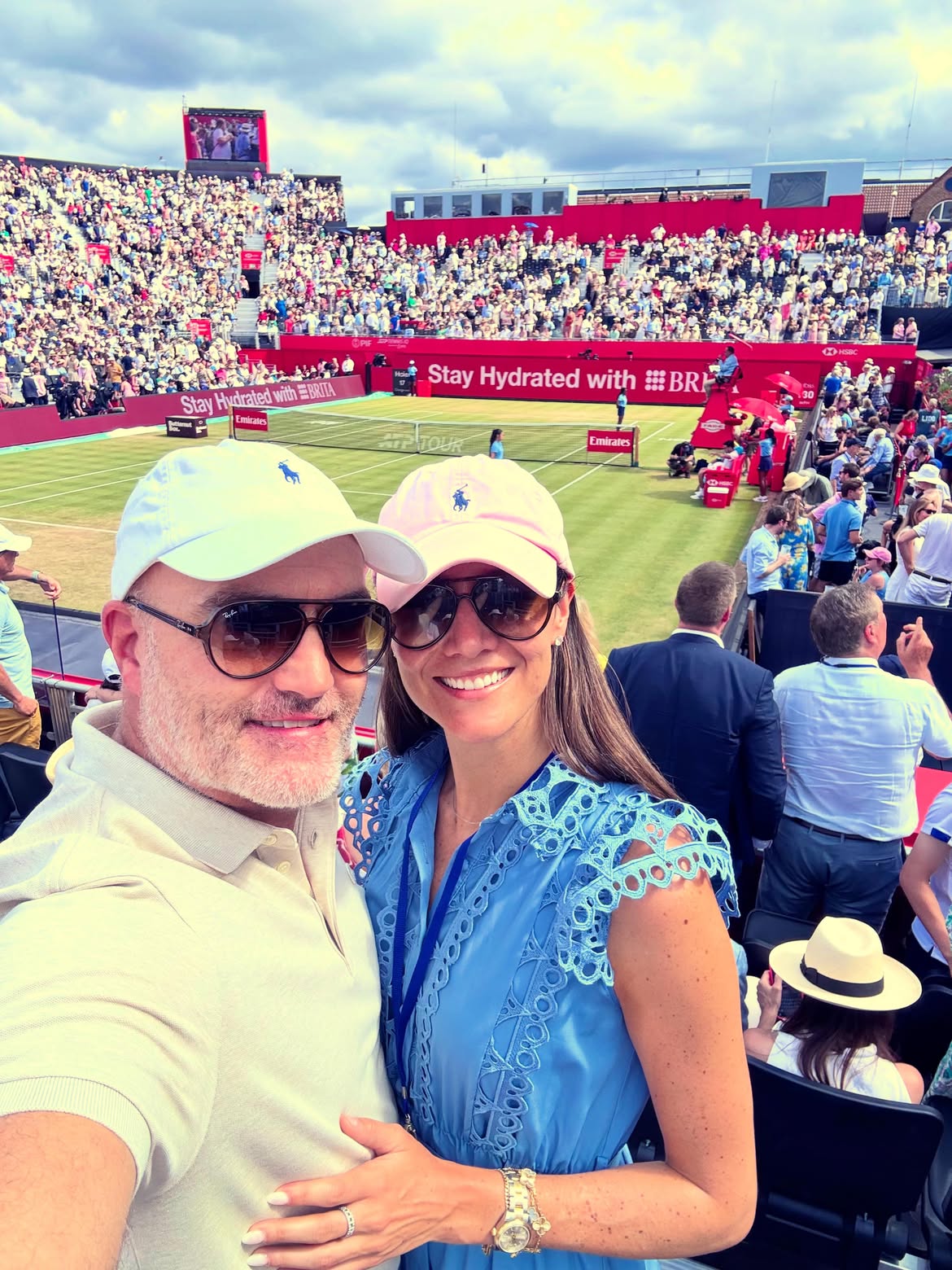
Loïc and his ex-wife Olivia Graver (a former tennis player who also changed her sporting nationality at one point, competing for Hong Kong) are both French by birth. However, their eldest son, Arthur Fery, who became a professional tennis player, decided to compete under the British flag.
This change in sporting nationality was made possible by the family’s move to London when Arthur Fery was just two years old. He grew up five minutes from the legendary All England Club, attended the British school King’s College Wimbledon, and developed with the full support of the Lawn Tennis Association (LTA).
Although Arthur is fluent in French, he has always identified as English. Loïc Fery, an influential figure in French sports, did not pressure his son. Instead of forcing him to represent France, he allowed him to choose his own path. Today, Arthur’s decision to switch his "tennis citizenship" to British is viewed in France with a certain degree of jealousy, but Loïc fully supports his son’s independence.
8. A Fatal Management Mistake That Cost Them Their Place Among the Elite
Loïc is used to keeping everything under control, but sometimes his overconfidence comes at too high a price. In the 2023–2024 season, FC Lorient was relegated from the top division of the French championship (Ligue 1), despite having the eighth-largest budget in the league.
The reason was Fery’s personal decision to eliminate the position of sporting director. He decided to cut costs by shifting the responsibilities of scouting and recruiting players to head coach Régis Le Bris. This excessive centralization of power led to chaos in the club’s transfer policy. Eventually, Fery was forced to publicly admit his mistake, calling it his biggest managerial blunder in soccer.
9. The Secret Behind the Name of a Multibillion-Dollar Fund
In the world of finance, companies are often named after their founders or use grandiose Latin words. However, Loïc chose a different, more personal approach for his hedge fund.
The name Chenavari has nothing to do with economic terms. It is the name of a small mountain whose peak Loïc saw every day from the window of his children’s home in Pont-à-Mousson, in the Lorraine region of eastern France. This gesture adds a touch of sentimentality to the cold world of London trading.
10. "Shopping" Among Soccer Clubs
Becoming the owner of a soccer club at age 35 is an ambitious goal, and Fery approached it like a classic investor, carefully vetting potential assets. Before settling on FC Lorient in 2009, he considered a number of other options across Europe.
His "shortlist" included the French clubs OGC Nice, Nîmes Olympique, and Grenoble Foot 38, as well as the well-known English club Sheffield Wednesday. Ultimately, he chose Lorient because the club had good infrastructure but needed financial stability. Under his leadership, Lorient became the only Ligue 1 club in 2012 that had absolutely no debt.

Guess if it’s true that Loïc Féry once planned to turn FC Lorient into the first "finance-themed" football club in Europe
Guess if it’s true that, according to a strange football rumor, Loïc Féry once considered an absurdly bold rebrand of FC Lorient: turning the club into a kind of "finance-themed" football project, where everything — from the training center to the matchday slogans — would be inspired by investment culture. The story goes that the club would not officially change its name, but internally it would operate under a secret philosophy called "Project Yield". Every young player would supposedly be assigned a "growth curve", every transfer would be evaluated like a market position, and even the team’s playing style would be described in financial terms: "low volatility defense", "high upside attackers", and "risk-adjusted possession".
In this fictional version of events, the marketing department allegedly proposed matchday posters with slogans like "Buy Low, Score High" and "Our Academy Produces Returns". There was even said to be a concept for a VIP lounge where investors, scouts, and football agents would watch games together while discussing both player performance and market opportunities. The most outrageous part of the rumor claims that Lorient’s orange-and-black identity was going to be subtly repositioned as the color palette of "energy, risk, and profit".
Of course, this sounds almost too strange to believe — and that is exactly why it makes such a perfect football myth. Loïc Féry’s real public image already connects finance and sport, so a rumor like this feels just plausible enough to start a debate, even if it clearly belongs more to the world of viral storytelling than documented football history.
Still, imagine the reaction if it had happened. Fans would probably have exploded. Rival clubs would have mocked Lorient as "the hedge fund team". Football purists would have called it the death of romance. But business-minded observers might have said Féry was simply being honest about what modern football had already become.
So, do you believe Loïc Féry really planned to turn FC Lorient into Europe’s first finance-themed football club — True or False?