Modern tennis loves high-drama moments: rackets smashed to pieces, public arguments with umpires, late-night parties, and scandalous romances. Against this colorful backdrop, the impeccably coiffed, calm Italian Jannik Sinner seems like a boring straight-A student whom parents hold up as an example to their unruly children. But don’t let that modest red-haired smile fool you. Behind the perfect facade of a "good guy" from a mountain province lies a ruthless pragmatist and cold-blooded strategist, whose path to the tennis throne is paved with cold calculations, bold challenges to age-old traditions, and multimillion-dollar empires.
While the global media paints a heartwarming picture of him as the son of humble cooks, the real Sinner is orchestrating quiet yet unprecedented upheavals. He is capable of coldly showing the door to a mentor who literally replaced his family, staging an elite fashion rebellion on the sacred and austere lawns of Wimbledon, and forcing multibillion-dollar corporations to play by his rules—all without ever raising his voice. This isn’t just a story about sports. Welcome to the world of "The Fox" — the world’s number-one tennis player, whose true ambitions and controversial moves off the court are far more intense than they seem at first glance.
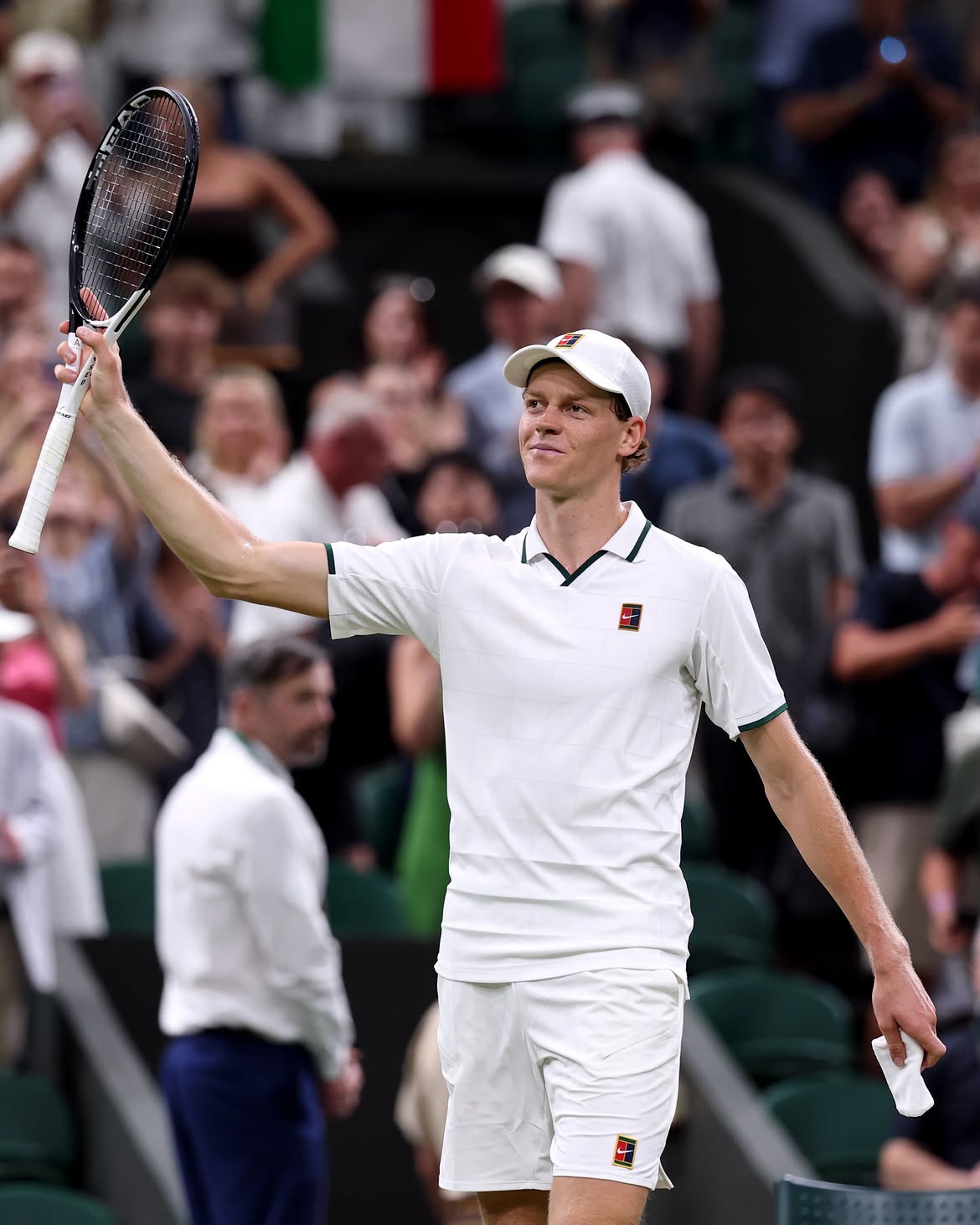
Did you know that Jannik Sinner’s calm personality might be his most dangerous weapon — and maybe not as natural as it looks?
Did you know that some tennis fans believe Jannik Sinner’s famous calmness is not just a personality trait, but almost a "designed strategy"? Of course, there is no official proof that Sinner or his team ever created a psychological image plan. But the theory is fascinating: what if his quiet face, short answers, and almost emotionless reactions after huge points are part of the reason opponents feel so uncomfortable against him?
In modern tennis, players are not only fighting with forehands, serves, and footwork. They are also fighting with signals. A shout after a break point can show confidence. A frustrated gesture can reveal panic. A long stare at the box can suggest doubt. But Sinner often gives away almost nothing. He can lose a brutal rally, walk back to the baseline, fix his strings, and look as if nothing happened. That creates a strange effect: the opponent may feel like they are playing against a wall, not a person.
This is where the controversial part begins. Some fans argue that Sinner’s "ice-cold" image has become so powerful that it now influences how people interpret his matches. When he wins, he is called mentally perfect. When he loses, people say he was simply calculating, conserving energy, or learning for the next battle. In other words, his silence becomes a kind of mystery shield. The less he explains, the more fans invent.
The most interesting angle is that Sinner does not need to act like a superstar to dominate attention. His lack of drama becomes the drama. In an era where many athletes build brands through emotional quotes, viral celebrations, and social media personality, Sinner’s brand is almost the opposite: control, distance, discipline, and a strange sense that there is always another level hidden underneath.
So maybe the most underrated fact about Jannik Sinner is this: his calmness may not only help him win matches — it may also make fans and rivals project more power onto him than he actually shows. And in elite sport, perception can become part of the weapon.
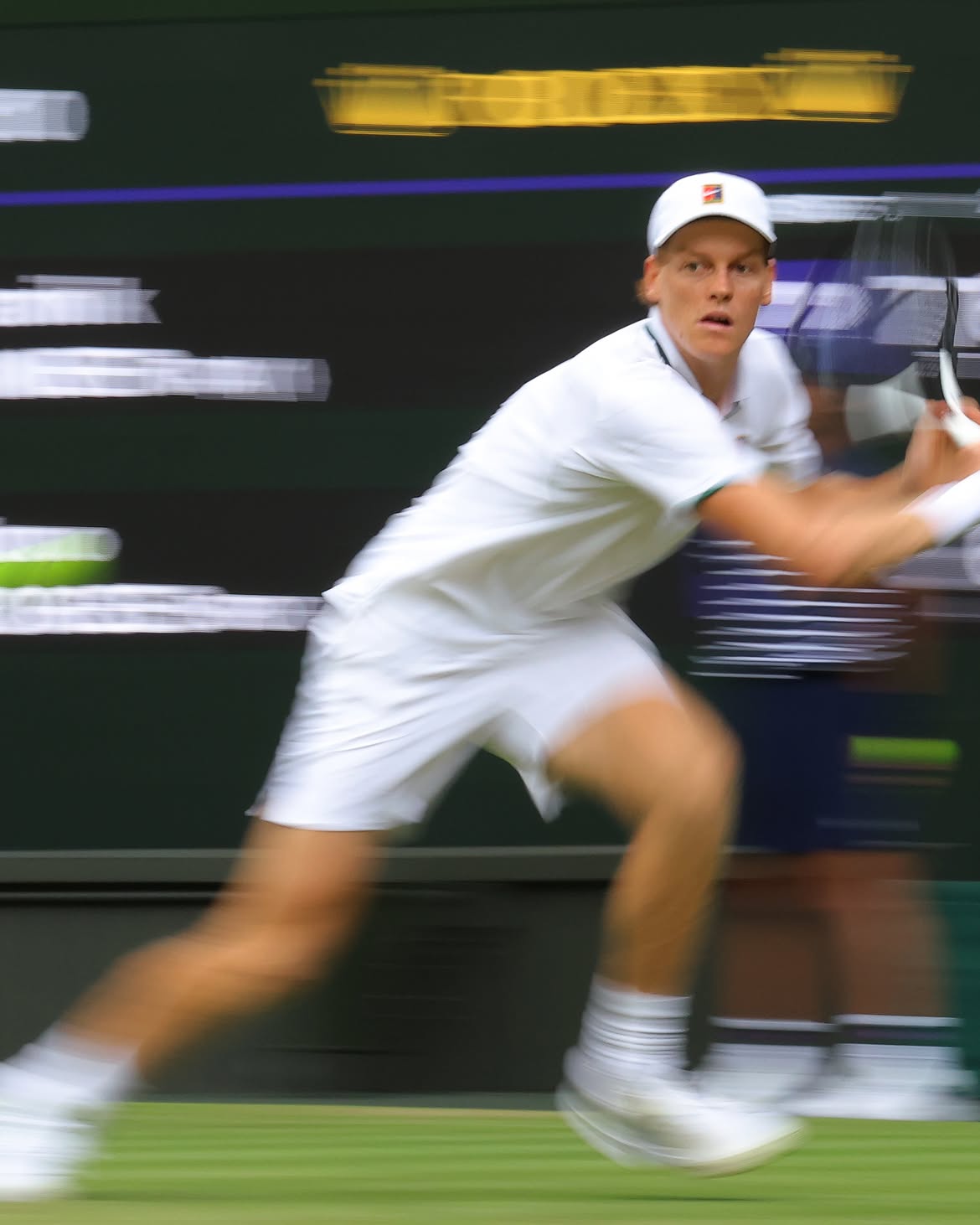
1. His native language is not Italian
Most fans expect the Italian champion to deliver impassioned speeches in the language of Dante, but for Sinner, Italian is only his second language. He was born in the town of Innichen (Italian name: San Candido) and grew up in Sext (Sesto) — the heart of South Tyrol, a region in northern Italy that borders Austria.
German culture dominates this mountainous enclave. From an early age, Jannik spoke exclusively in a German dialect. He only began to actively and thoroughly study Italian when, at age 13, he left his family home and moved to Italian-speaking Liguria. Even now, when giving interviews on the court, you can notice his distinctive accent, and in stressful situations, he often curses or encourages himself in German.
This cultural duality makes him a unique figure in Italian sports: he possesses the mentality and cool composure more commonly attributed to Germans or Austrians, yet he is the pride and joy of modern Italy.
2. He Could Have Become a Legend in Alpine Skiing Instead of Tennis
Until the age of 13, tennis was just a side hobby for Sinner. His true passion and main career focus were alpine skiing. At the age of eight, Yannick won the prestigious Italian national championship in giant slalom, and at 12, he became the national runner-up. In his region, being born without skis on your feet is practically unheard of, and the boy was predicted to have a great future at the Winter Olympics.
However, one pragmatic consideration changed everything. Sinner was frustrated that in alpine skiing, a single millisecond of error on the run can ruin the entire race, and you have no chance to correct it. Tennis, on the other hand, allowed him to lose a game or even a set but still secure the overall victory thanks to strategy and endurance. Moreover, his tall, slender build was a disadvantage on skis but an ideal asset on the tennis court. At age 13, he made a tough decision: his skis went into storage, and he picked up a tennis racket.
3. A Radical Move and Life with a Host Family at Age 13
In Italian culture, where children often live with their parents until well into adulthood, Sinner’s decision to leave home at age 13 seemed like a real challenge to the system. To become a professional, he moved to Bordighera on the Italian Riviera to train at the academy of renowned coach Riccardo Piatti.
His parents let him go without hesitation, but did not accompany him. Young Yannick settled in with the family of Croatian coach Luka Cvetković. He had to grow up extremely quickly: he cooked his own meals, did his own laundry, and managed his own budget.
The tennis player himself has mentioned on numerous occasions that the first few months were emotionally draining, but it was precisely this early separation that forged his phenomenal mental resilience. On the court, he looks as if he’s unbreakable, because he had already endured the hardest life lessons of isolation before he even received his passport.
4. His parents—a chef and a waitress — have never quit their jobs
Even though Sinner has already earned more than $64 million in prize money, his family shuns the glamorous lifestyle. His father, Johann Sinner, has been working as a chef for over 40 years, and his mother, Siglinde, worked as a waitress at the Talschlusshütte ski lodge in the Dolomites. That’s where they met.
Even when Jannik won his first title at the Australian Open, his parents weren’t sitting in the VIP box. They were at home because they couldn’t leave their work or the guests at their family guesthouse, Haus Sinner.
What’s more, his father’s profession sometimes brings unexpected perks for Yannick himself: at some European tournaments, Johann takes time off and travels with his son as his personal chef, overseeing the champion’s strict athletic diet.
5. He has an adopted brother from Russia who is a huge Formula 1 fan
Few people know that Yannick isn’t the only child in the family. He has an older brother, Mark Sinner, whom the family adopted in 1998 from an orphanage in Russia, three years before Yannick was born. The brothers share an exceptionally close bond.
However, Mark is not a die-hard tennis fan. His main passion is motorsports, particularly Formula 1. When Yannick was playing one of the most important matches of his career against Carlos Alcaraz in the final of the Rome tournament, Mark was not in the stands. The reason? At the same time, the Formula 1 Grand Prix was taking place in Imola, and the tennis player’s brother chose the roar of engines over the sound of racket swings. Yannick takes it in stride, as freedom of choice is a core value in their family.
6. A Controversial Collaboration with Gucci and a Break with Wimbledon’s Age-Old Traditions
The world of tennis is governed by strict dress code rules, especially in London. But Sinner was the one who forced the conservative All England Club to make concessions. In 2022, he signed an ambassadorial contract with the fashion house Gucci, becoming the face of the "quiet luxury" concept promoted by creative director Sabato De Sarno.
In July 2023, a precedent was set: Yannick stepped onto Wimbledon’s immaculate grass not with a standard sports bag, but with an exclusive custom-made Gucci duffel bag. The bag was adorned with the iconic GG monogram and bright green and red straps. It was a bold slap in the face to the tournament’s traditions, where everything is supposed to be perfectly white.
Sinner’s team had to engage in lengthy behind-the-scenes negotiations with Wimbledon organizers, the ITF, and the ATP to obtain special permission to bring this accessory onto the court. The fashion rebellion was a success, and photos of Sinner with his Gucci bag made the rounds in glossy magazines worldwide.
7. A Spontaneous Snack That Gave Rise to the "Carota Boys" Craze
Most tennis players eat bananas or energy gels during breaks. But during the 2019 tournament in Vienna, Sinner shocked the crowd: he sat on the bench and calmly munched on a large raw carrot.
A group of Italian friends from Piedmont witnessed this strange moment, which was quite atypical for high-performance sports. They decided to turn it into a meme and began attending Sinner’s matches, fully dressed in giant orange carrot costumes. That’s how the Carota Boys fan club was born.
Today, they’re more than just a handful of fans. They’ve become a global phenomenon: Lavazza has become their sponsor and pays for the "Carrots’" flights to Roland Garros, Wimbledon, and the US Open. Sinner officially met with his most devoted fans at the Nitto ATP Finals in Turin, where he admitted with a touch of irony: "To be honest, these guys are more famous than I am right now."
8. The Nickname "The Fox" and His Personal Brand
His red hair and sharp mind earned him the nickname "The Fox" back in his school days. But Sinner didn’t let it remain just a childhood joke—he turned the nickname into a multimillion-dollar asset.
Yannick designed his own minimalist logo, which combines the outline of a fox’s head with the stylized initials "J" and "S." Typically, players his age wait for brands like Nike (with whom he has a 10-year, $150 million contract) to create their brand identity, but Sinner took the process into his own hands. This logo now appears on his caps and clothing, symbolizing his cunning, meticulously calculated style of play on the court.
9. A Ruthless Coaching Change at the Height of Early Success
The ability to make unpopular, harsh, yet necessary decisions is a trait of true champions. In early 2022, Sinner took a step that shocked the entire tennis community. He unexpectedly fired his longtime coach, Riccardo Piatti—the man who took him in at age 13, raised him like a son, and guided him into the world’s top 10.
Many experts called it a suicide move. But Sinner felt he had hit a "glass ceiling" and needed a fresh tactical perspective. He hired Simone Vagnozzi, who was less of a star at the time, and later added the legendary Australian Darren Cahill to the team. This provocative and risky move paid off in full: the new team radically transformed his serve, added variety at the net, and ultimately made him a Grand Slam champion.
10. Loyalty to the "Rossoneri" and a Connection to the World of Soccer
While Sinner is a cold-blooded killer on the tennis court, in the soccer stands he transforms into a typical, emotional Italian tifoso. Yannick is an ardent fan of AC Milan.
His love for the club is so great that he regularly attends matches at the legendary San Siro Stadium whenever his tournament schedule allows him to return to Italy. AC Milan’s management reciprocates his loyalty: after his first major victories, the club officially welcomed Sinner onto the field in front of tens of thousands of fans, presenting him with personalized jerseys bearing the number one. In a world where athletes often choose to remain neutral so as not to alienate sponsors from the opposing side, Sinner openly declares his loyalty to the red and black.
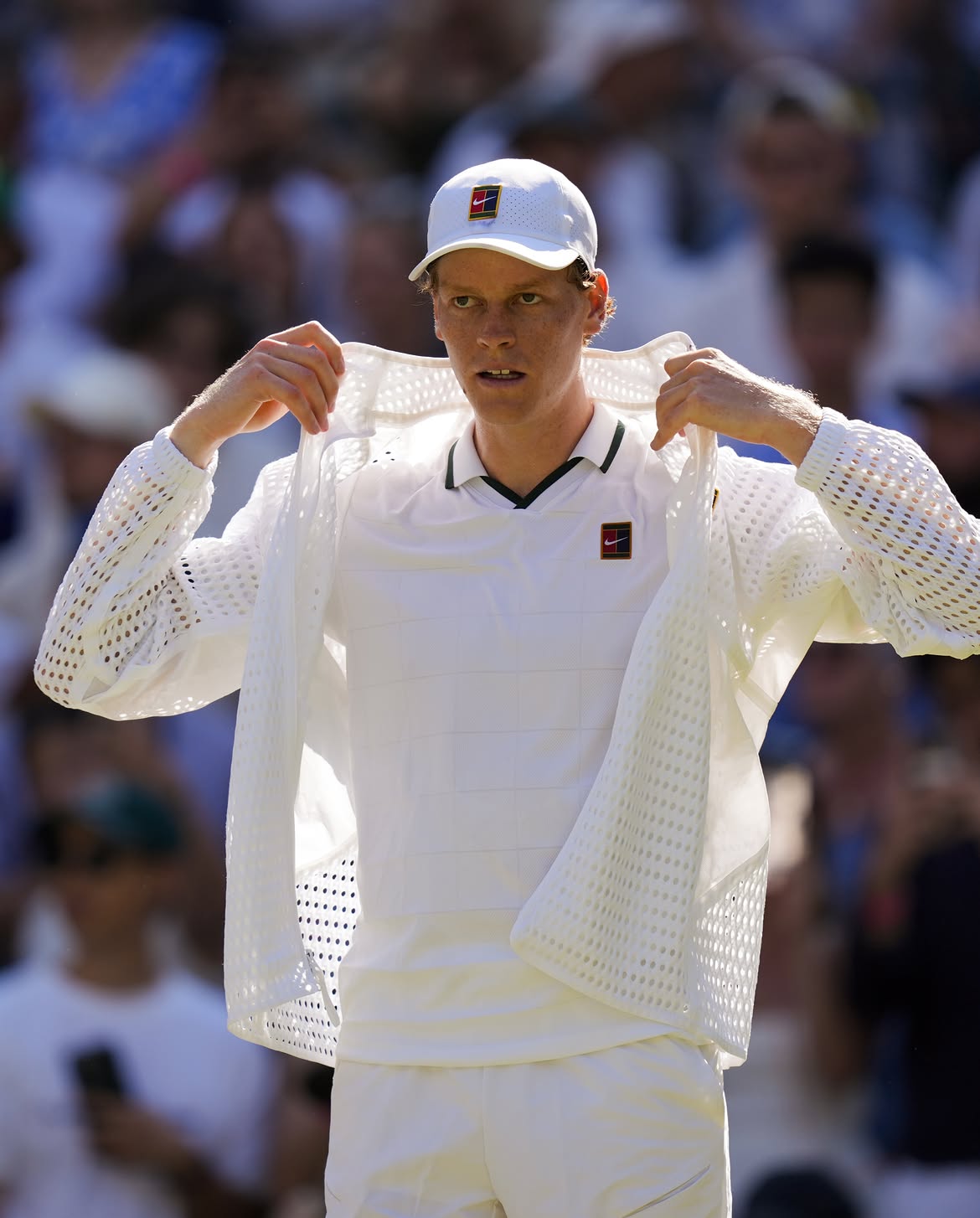
Guess whether it is true that Jannik Sinner keeps a secret "Red Notebook" where he writes coded observations about every major rival
Guess whether it is true that Jannik Sinner has a private red notebook, supposedly called "The Red Notebook," where he writes coded observations about every top opponent he faces. According to this fictional fan theory, the notebook does not contain normal tactical notes like "attack the backhand" or "serve wide under pressure." Instead, it allegedly uses strange nicknames, symbols, and color codes to describe the emotional patterns of his rivals.
For example, one rival might be marked with a snowflake symbol, meaning he becomes colder and more dangerous when the crowd turns against him. Another might have a small lightning mark, meaning he plays his best tennis in short explosive bursts but can lose patience in longer rallies. A third opponent might be described as "mirror type," meaning Sinner supposedly believes that the key to beating him is not aggression, but copying his rhythm until he breaks first.
The story becomes even more dramatic when fans imagine that Sinner updates this notebook after every major tournament. Not with full sentences, but with tiny phrases only he understands: "second set storm," "eyes drop at 30-30," "serve pattern repeats under heat," or "smiles before risk." In this version of the myth, Sinner is not just a tennis player — he is almost a quiet detective, collecting psychological evidence from every match and using it months later when nobody expects it.
The reason this fake fact feels believable is that Sinner really does give off the impression of someone who studies the game deeply. He rarely looks chaotic on court. His decisions often seem clean, logical, and brutally timed. So the idea of a secret notebook fits perfectly into the image fans already have of him: silent, analytical, disciplined, and maybe a little mysterious.
But would a player at his level really risk keeping such a personal tactical archive in one physical notebook? Would he use code names for rivals? Would his team allow something so sensitive to exist outside protected digital systems? Or is this just the kind of legend fans create when an athlete seems too calm to be fully understood?
Do you believe this is true — or false?