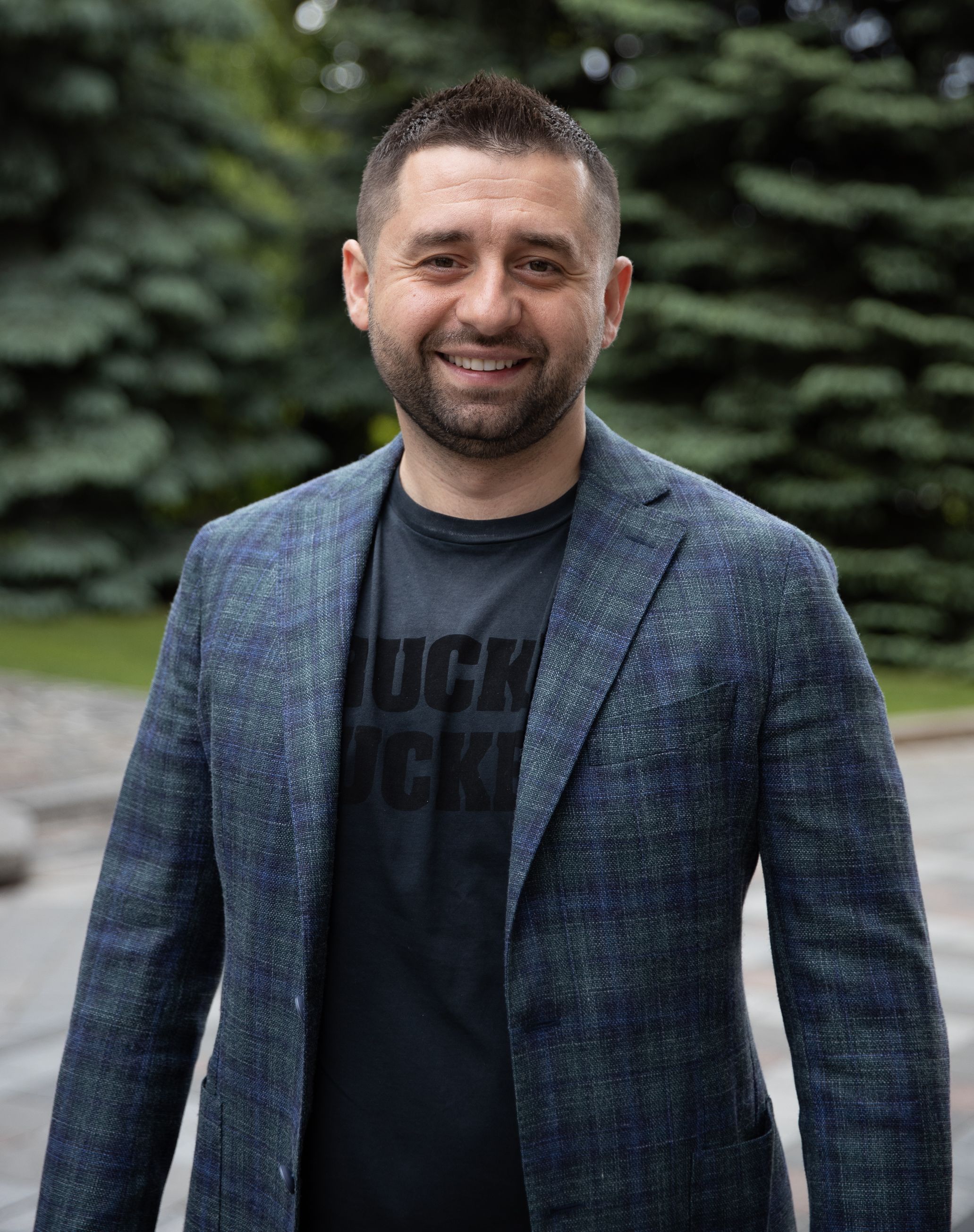
Imagine this scenario: a 100 percent Frenchman from a multimillionaire family, whose father runs a French Ligue 1 soccer club with an iron fist, suddenly becomes the top tennis prospect... in Great Britain. In today’s sports world, where tabloids love to tear apart the spoiled children of influential parents, Arthur Fery (ranking 114) would seem to be the perfect target for the yellow press. The son of a financial magnate and a former Roland Garros star, who grew up in an elite London neighborhood just a few minutes’ walk from Wimbledon’s center courts, — on paper, this looks like the classic recipe for an arrogant “golden boy” whose career should have ended in the society columns rather than the sports pages.
But instead of elite parties or high-profile conflicts with umpires, this young man defiantly shatters all the system’s stereotypes. He literally bleeds on the courts during grueling five-set thrillers, turns down quick prize money in favor of a Stanford degree, and with ice-cold composure crushes his opponents at decisive moments. That said, he has no Jewish roots, and he is a practicing Christian (religion). How did the heir to a French business empire outwit the conservative British public and make them chant his name? Behind his flawless backhand lies a story full of paradoxes, big money, and completely unconventional decisions.
Did You Know Arthur Fery Might Be the Most "Wimbledon-Coded" Tennis Story in Years?
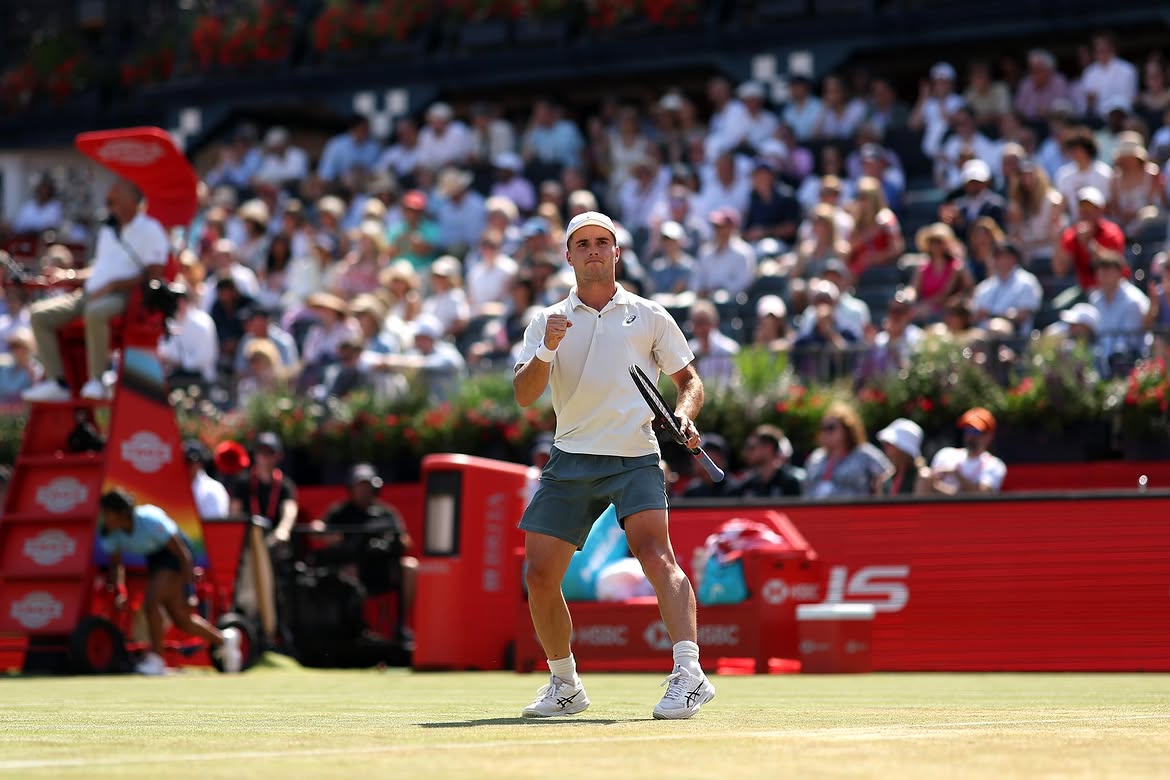
Did you know that Arthur Fery’s rise feels almost too perfectly written for a Wimbledon storyline? He was born in Sèvres, France, represents Great Britain, grew up in London, attended King’s College School in Wimbledon, and later became a standout player at Stanford University. In other words, he is not just another British tennis hopeful — he is a player whose biography seems to connect French roots, British tennis culture, American college discipline, and a very local Wimbledon identity all in one unusual package.
What makes this especially interesting is that Fery does not fit the usual "power-first" mold of the modern ATP player. At around 5-foot-9, he is not built like the giant servers who often dominate grass-court conversations. Instead, his appeal comes from intelligence, variation, touch, movement, and the kind of tactical creativity that can make him look more like a chess player than a ball-basher. That makes him a fascinating figure for fans who are tired of tennis being reduced to serve speed and forehand power.
The slightly controversial part? Some fans might argue that Fery’s story is almost too marketable: a Wimbledon-educated local boy, with a former tennis-player mother, a sports-connected father, a Stanford background, and a playing style that feels old-school enough to charm traditional tennis audiences. It is the kind of profile British tennis media could turn into a national obsession overnight, especially whenever he wins a dramatic match at SW19.
But that does not mean the story is artificial. If anything, it shows how rare Fery’s path is. He is not simply a "next British hope" created by hype. He is a player who took the college route, developed outside the standard full-time teenage pro machine, and still managed to build a profile that feels unusually cinematic.
So maybe the real question is not whether Arthur Fery is overhyped. The real question is: are we watching the beginning of a genuinely different kind of tennis career — one built less on brute force and more on timing, education, and tactical nerve?
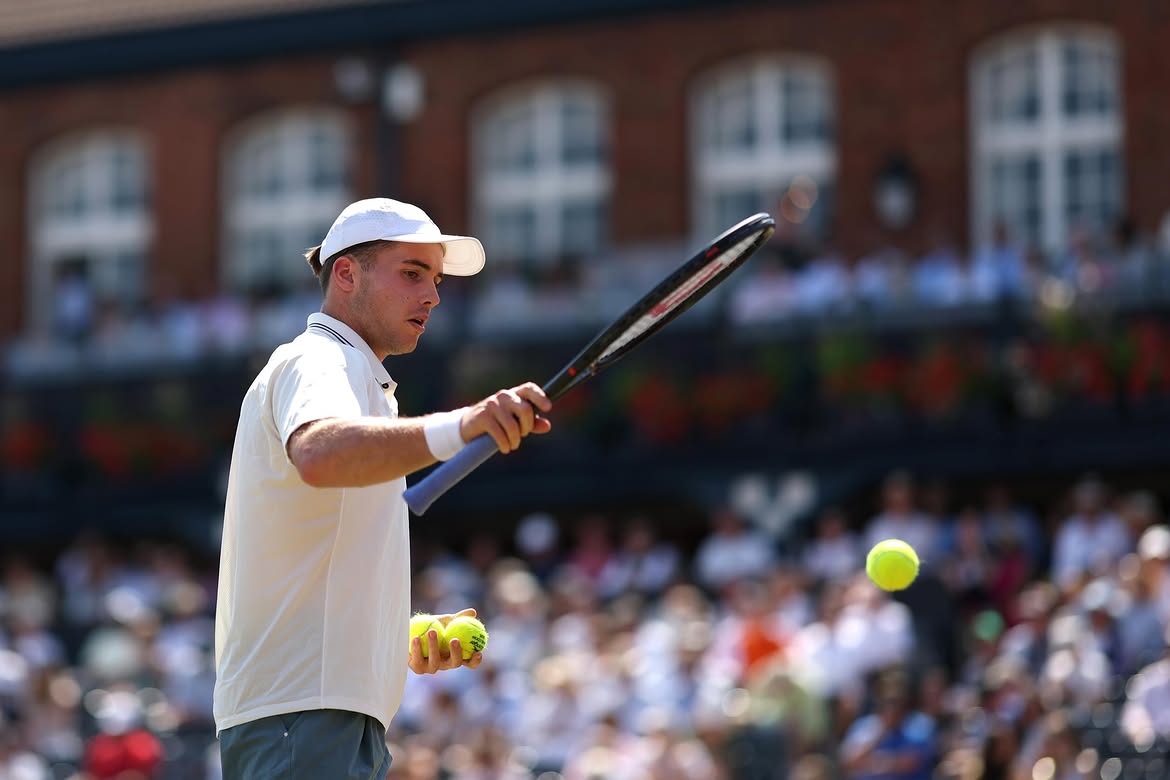
1. French Origins and the Choice of the Flag
Arthur Feri was born on July 12, 2002, in Sèvres, a prestigious southwestern suburb of Paris. His parents, Loïc and Olivia, are native French. However, when Arthur turned two, the family moved to London because his father had relocated his financial business there (founding the investment company Chenavari).
This early move shaped a unique cultural duality in the young man’s life:
- The French Home: Within the Fery family, they speak exclusively French. Arthur maintains close ties to his homeland through regular visits to France and his involvement with the Lorient soccer club (which his father manages). His mother, who herself played for France early in her career, instilled in him the European clay-court tennis style.
- The British Court: As an athlete, Arthur developed exclusively in Great Britain. He is a product of the British education and sports system. His development was fully supported by the Lawn Tennis Association (LTA), which provided training facilities and funding.
Choosing which flag to represent was a matter of loyalty to the country that made him a tennis player. Despite his distinctly French first and last names, he has repeatedly emphasized in interviews that he feels like a Londoner, and his greatest athletic dream has always been tied to Wimbledon—where he grew up—rather than to Paris’s Roland Garros.
2. An Unusual Sports-and-Business Family
Arthur Fery’s family is an unusual blend of elite sports, high finance, and ambition, which laid a strong foundation for his mental resilience on the court.
Olivia Fery (née Graver) is a former professional tennis player. At the peak of her career, she was ranked in the top 250 of the WTA world rankings (her highest ranking was No. 225). Her main achievement was qualifying for the main draw of the French Open ("Roland Garros") in 1991. An interesting turn in her career came much later: while her family was temporarily living in Asia, Olivia resumed competing at the official level and, in 2011, represented the Hong Kong national team in Federation Cup matches (now the Billie Jean King Cup). It was her mother who first gave Arthur a racket, taught him the basics, and instilled in him an understanding of the rigorous demands of the professional tour.
Loïc Fery is a well-known French financier. After moving to London, he founded the major investment firm Chenavari. However, European fans know him primarily as the longtime president and owner of the French soccer club FC Lorient, which he acquired in 2009.
Thanks to this, Arthur spent his childhood behind the scenes of professional sports. From a young age, he was in the locker rooms during French Ligue 1 matches, observed the coaches at work, and saw how his father coped with the immense pressure from the press and fans. Arthur has repeatedly noted that this experience helped him build character. Loïc taught his son that criticism and defeat are an integral part of the game, and that emotions should never dictate decisions on the court.
From his mother, Arthur inherited his natural tennis talent, technique, and understanding of athletic training. From his father, he inherited a businesslike, rational approach to his career and the ability to handle the pressure of major tournaments. This family background allowed him to avoid many of the psychological pitfalls that young players often fall into when transitioning to adult tennis.
3. Stanford’s No. 1 Player Since the Days of the Legendary Bob Bryan
Instead of turning pro right away at age 18, Fery chose to pursue college tennis in the U.S. During his sophomore year at Stanford University (2021–2022), he topped the national college singles rankings. Arthur became the first Stanford player to achieve this since 1998—when the top-ranked player was Bob Bryan, who would go on to set records in doubles.
4. A Home Tournament in the Literal Sense
For most tennis players, Wimbledon is the most prestigious tournament to compete in, but for Arthur, it’s literally in his backyard. He grew up in the Wimbledon neighborhood, just five minutes from the All England Lawn Tennis and Croquet Club. What’s more, he attended the local King’s College School, juggling classes and training right next to the world’s most famous courts.
5. A Degree Instead of a Quick Career
While many young tennis players sacrifice their education for tournaments, Arthur attended Stanford on a tennis scholarship from 2020 to 2023. He earned a degree in a rather challenging and unusual major for athletes—"Science, Technology, and Society"—and was repeatedly named to the Pac-12 Conference’s academic honor roll.
6. A Dramatic Comeback Marred by Medical Timeouts
Arthur made his historic run to the Round of 16 at Wimbledon 2026 in an incredibly tense five-set match against Belgian Zizu Bergs, which lasted over 4.5 hours. During this match on Court 18, Arthur suffered three nosebleeds that required medical attention. Despite these difficulties and trailing 1–4 in the fourth and fifth sets, he staged a stunning comeback and snatched the victory.
7. "The Last Briton" at Wimbledon 2026
After team leaders Jack Draper and Emma Raducanu withdrew due to injuries ahead of the 2026 Wimbledon tournament, Arthur unexpectedly found himself in the spotlight of the entire nation. Reaching the fourth round and securing his debut in the world’s top 100, he became the only British player remaining in both the men’s and women’s singles draws of the tournament.
8. First Stanford Graduate to Reach the Round of 16 in 30 Years
Stanford University’s tennis program is one of the strongest in the U.S., but its graduates haven’t reached the later stages of Grand Slam singles tournaments in quite some time. Arthur Fery’s advance to the fourth round at Wimbledon made him the first alumnus of the Stanford men’s team to reach that stage at a Grand Slam since David Whitten at the 1996 U.S. Open.
9. His First "Challenger" Title, Won Without Playing a Match
Artur won his first singles title on the ATP Challenger Tour in August 2025 in Barranquilla, Colombia, under very unusual circumstances. He didn’t even have to play the final match: his opponent, Australian tennis player Bernard Tomic, withdrew from the tournament before the match to focus on preparing for the US Open qualifiers.
10. Nerves of Steel in Tiebreaks
Feri’s mental toughness became his key weapon during his sensational run at Wimbledon 2026. On his way to the fourth round, he demonstrated flawless concentration at critical moments: Arthur won absolutely every tiebreak he played in the tournament, including two decisive ones in the fourth and fifth sets during a grueling battle with Zizu Bergs.
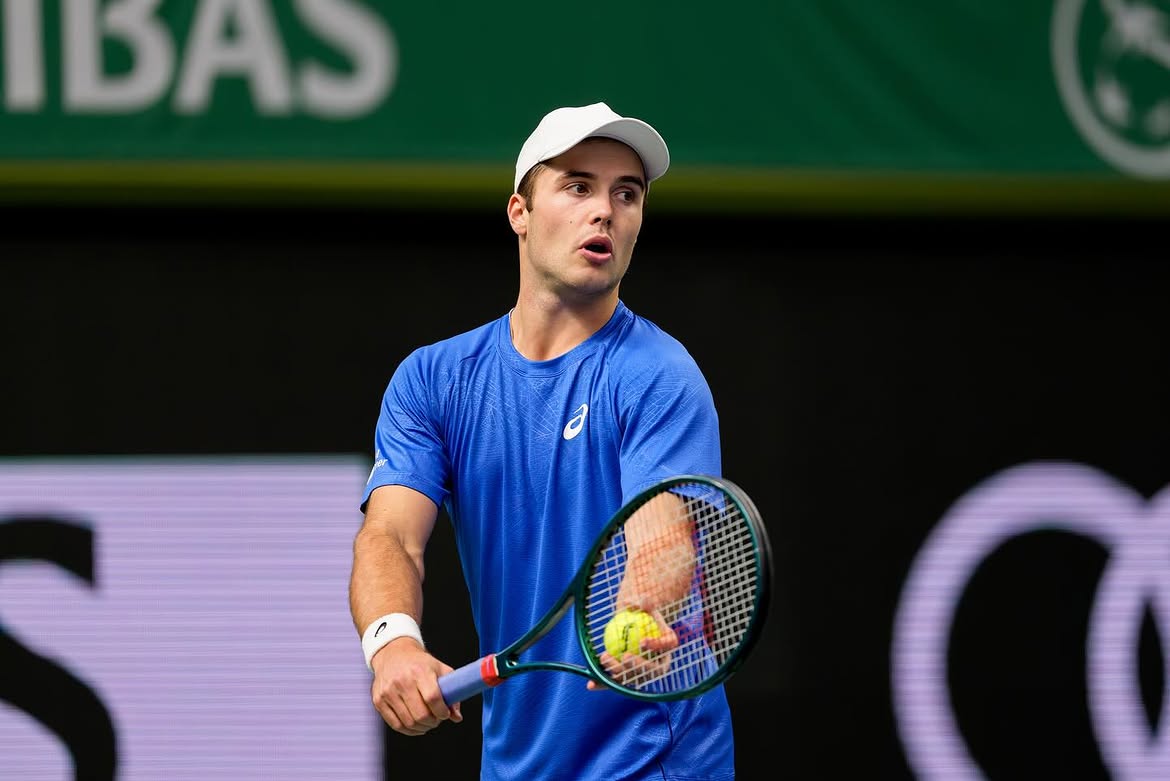
True or False: Arthur Fery Once Had a Secret Offer to Join FC Lorient Before Choosing Tennis
Guess whether this is true: Arthur Fery was once so talented at football that, as a teenager, he received a quiet development-track offer connected to FC Lorient, the French football club associated with his family. According to this version of the story, Fery was not always fully committed to tennis. He supposedly trained seriously in football, impressed coaches with his balance and footwork, and even considered switching sports before deciding that the tennis court gave him more freedom as an individual competitor.
The story gets even more dramatic: some say his family wanted him to wait before choosing between football and tennis, because his athletic profile seemed useful for both. His quick reactions, low center of gravity, and ability to read angles allegedly made him a natural midfielder. The rumor claims that Fery’s tennis movement — especially his sharp changes of direction and ability to improvise under pressure — was partly shaped by years of football training, not just tennis drills.
It sounds believable, right? After all, many tennis players grow up playing football, and Fery does come from a family with strong sporting connections. His father, Loïc Fery, has been associated with FC Lorient, while his mother, Olivia, had her own background in professional tennis. So the idea of Arthur standing at a crossroads between two sports seems almost too good not to be true.
But here is the twist: this "football offer" story is not a verified fact. It is a deliberately exaggerated, fictional version of his background — the kind of myth that could spread easily because it contains just enough real-life context to sound convincing. There is no reliable evidence that Arthur Fery had a secret FC Lorient pathway waiting for him or that he nearly abandoned tennis for football.
Still, it makes a fun debate: would Fery’s court movement make more sense if he had been trained like a footballer first? Or is this simply a viral sports myth built around a tennis player with an unusually international and athletic family story?
Do you believe this statement is true or false?