What happens when the body of an ancient demigod and phenomenal talent are bestowed upon a young man who doesn’t fully understand what he wants out of life? The story of Gable Stevens is far from the typical, polished biography of an American Olympic hero. It’s a chaotic thriller, filled with behind-the-scenes drama and baffling decisions, about the greatest physical prodigy in modern wrestling, who managed to conquer the world at age 21—and then nearly turned his own career into the most expensive farce in sports history. From his meteoric gold-medal triumph in Tokyo to his quiet and inglorious dismissal from WWE’s staged wrestling and his high-profile failure in the NFL without ever playing a single second—he swung from one extreme to the other, leaving behind broken multimillion-dollar contracts and an army of bewildered fans.
While critics openly mocked him on social media and accused him of cowardice over suddenly canceled superfights and "thumb injuries", and sports officials wrung their hands over his emotional instability, Stevenson was simply looking for a place where he wouldn’t have to play by someone else’s rules. Having rejected the role of the obedient national idol and squandered a mountain of media hype, he chose the darkest, most brutal path possible. In this, he bears some resemblance to the young basketball player Kerr Kriisa. This candid story is precisely about a giant who deliberately shattered his own comfort zone to find an outlet for his primal aggression in the bloody cage of mixed martial arts.
Did You Know That Gable Steveson Might Be the Most "Unfinished" Superstar in American Combat Sports?
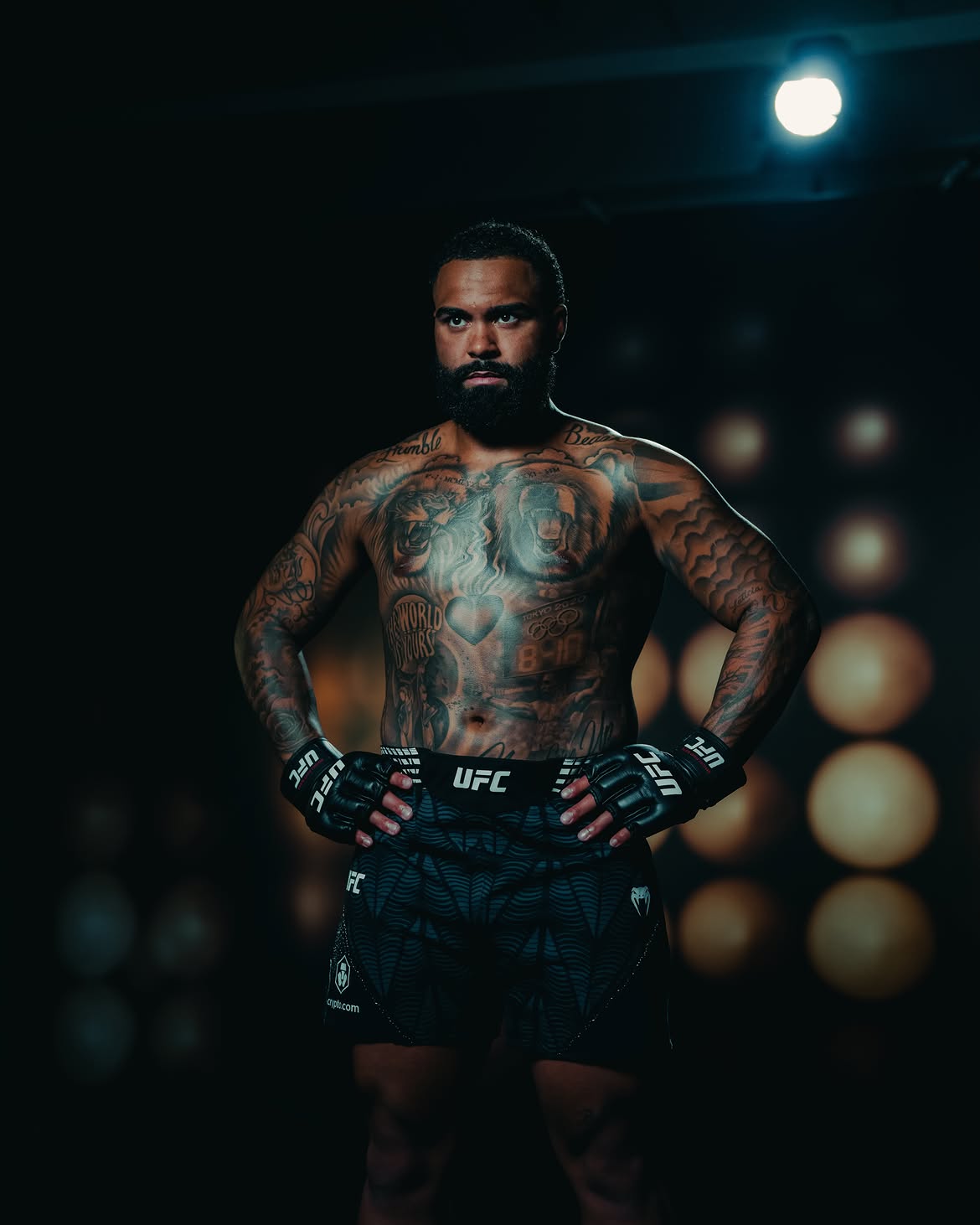
Did you know that the most mysterious thing about Gable Steveson may not be what he has already won, but what people keep trying to turn him into? Usually, when an athlete wins Olympic gold, the story becomes simple: national hero, wrestling legend, documentary subject, motivational speaker. But Steveson’s path has never felt that clean. After winning Olympic gold in freestyle wrestling and becoming one of the most dominant college heavyweights in America, he seemed almost too valuable to stay in one lane. Wrestling wanted him. WWE wanted him. Football took a look. MMA fans began imagining him as a future heavyweight nightmare. And that is where the strange, slightly controversial question begins: was Gable Steveson ever allowed to become just one thing?
Some fans argue that Steveson is less like a traditional athlete and more like a "combat sports prototype" — a rare physical talent whom every industry wanted to repackage for its own audience. To amateur wrestling fans, he was supposed to be the next great American heavyweight, the kind of wrestler who could dominate international tournaments for years. To WWE viewers, he looked like the perfect Olympic-to-entertainment crossover, the spiritual successor to stars like Kurt Angle, but for the social media era. To NFL observers, his explosiveness and size made him an unusual defensive-line experiment. To MMA fans, his wrestling base looked like the foundation for something potentially terrifying.
The controversial part is that this constant reinvention may have made his career look more confusing than it really is. Instead of one straight legacy, Steveson has collected several half-open doors: Olympic legend, NCAA icon, WWE experiment, football project, MMA prospect. That makes him fascinating, but also polarizing. Some people see wasted potential. Others see a young athlete refusing to let one sport define him.
So maybe the hidden fact about Gable Steveson is this: his career is not a finished story, but a public argument about what greatness is supposed to look like. Is he a wrestler who wandered into entertainment, a future fighter who first became an Olympic champion, or a once-in-a-generation athlete still searching for the arena that truly fits him?
1. A Prophecy Named After a Legend That Came True
The athlete’s mother, Latisha, named her son after Dan Gable—an absolute icon of American wrestling and the 1972 Olympic champion. In the world of professional sports, it is rare for a name to so precisely define a person’s career path and destiny. From childhood onward, the young man carried the immense weight of expectations that inevitably accompanied this legendary name in wrestling circles.
But he not only lived up to those expectations—he also managed to mirror his namesake’s greatest achievement. By winning his own Olympic gold medal, he brought this historic cycle full circle. Moreover, Stevenson did so with such incredible dominance that he has forever etched his name alongside the legendary Dan Gable in the pantheon of the United States’ greatest wrestlers.
2. Cinematic Gold at the 2020 Tokyo Olympics
Stevenson’s path to the highest Olympic honor culminated in a match that felt more like the gripping script of a Hollywood sports drama than real life. In the final, he faced off against the experienced and exceptionally strong Georgian wrestler Geno Petriashvili.
With just seconds left in the decisive bout, Stevenson was trailing on points. The situation seemed completely hopeless, and the vast majority of athletes would have simply settled for a silver medal at that moment. However, with less than a second left on the official timer, Gable executed a lightning-fast and daring leg sweep, taking his stunned opponent to the mat.
This incredible technical maneuver earned him the winning points almost simultaneously with the buzzer signaling the end of the match. At the age of 21, he became the youngest Olympic champion in freestyle wrestling in the super heavyweight division, shocking the entire sports world with his cool-headed timing.
3. The Giant’s Acrobatics: His Signature Backflip
When you look at an athlete who is 185 centimeters tall and weighs over 120 kilograms, you subconsciously expect to see clumsiness and nothing but brute physical strength. But after every major victory, Gable completely shatters that stereotype.
His favorite—and now signature—celebration has become a perfect backflip (almost like tennis player Marta Kostyuk’s), which he performs effortlessly right in the center of the wrestling mat. Watching a massive super heavyweight soar into the air with the ease and grace of a professional gymnast is a sight that sends the crowd into a frenzy every single time. This acrobatic stunt has become his trademark and the best proof that Stevenson’s body is capable of feats that are physically impossible for the vast majority of people of his size.
4. The Tradition of Abandoned Wrestling Shoes and a Symbolic Farewell
In amateur wrestling, there is a long-standing, deeply emotional tradition: when a wrestler decides to end his career, he takes off his shoes and leaves them in the center of the mat. Gable Stevenson did this in the most dramatic way possible in front of thousands of fans during the 2022 NCAA Championship final.
After an exceptionally confident victory over Colton Schultz, which earned him his second consecutive national collegiate title, he performed his traditional somersault and then unexpectedly sat down in the center of the arena. Slowly removing his wrestling shoes, he carefully placed them on the mat to the applause of the crowd.
This poignant gesture marked the end of his incredible collegiate career at the University of Minnesota, where he left behind a phenomenal record. Although his athletic journey would later take many more unexpected turns, that evening ritual became one of the most iconic moments in the history of U.S. collegiate sports.
5. A High-Profile Contract with WWE and a Quick Disappointment
After his spectacular triumph at the Olympic Games, Gable seemed like the perfect candidate to make the transition to professional wrestling. With his striking appearance, natural charisma, and background as a "true undefeated champion", he signed an exclusive, multimillion-dollar contract with WWE.
He was drafted with great fanfare onto the Monday Night Raw TV show, and promoters expected him to quickly follow in the footsteps of stars like Kurt Angle or Brock Lesnar. However, the transition from real, brutal competition to the world of theatrical "sports entertainment" proved to be extremely difficult for him psychologically. Stevenson had only one full-length televised match against Baron Corbin, which drew a barrage of criticism from both experts and fans.
Eventually, in the spring of 2024, the company quietly released him. Later, on an episode of Joe Rogan’s podcast, Gable candidly admitted that he simply couldn’t give 100 percent to the WWE industry because his true competitive spirit demanded real, rather than scripted, matches.
6. An NFL Experiment with Zero Days of Football Experience
One of the craziest facts in Stevenson’s unpredictable biography is his official signing with the National Football League’s Buffalo Bills in 2024.
What makes this situation so unusual? Gable has never played organized American football in his life—neither in high school nor in college. An NFL elite-division team took a risk by signing him to the crucial position of defensive tackle solely because of his phenomenal physical and anthropometric attributes. The coaches sincerely hoped that his explosive burst of speed, powerful handwork, and perfect footwork from wrestling would translate seamlessly to the football field.
A miracle, however, did not happen: his raw athleticism alone could not compensate for his lack of a solid technical foundation in football and an understanding of complex game schemes. He was cut from the team before the regular season even began. Nevertheless, the very fact that a top NFL team gave a chance to someone literally "off the street" solely because of his unique genetics is mind-boggling.
7. "The Finger of Discord" and the Public Drama with Craig Jones
After bouncing back and forth between WWE and American football in the media spotlight, Stevenson unexpectedly decided to try his hand at submission grappling. His debut was slated to be the main event—and the most expensive one—of the massive Craig Jones Invitational 2 (CJI 2) tournament, where he was set to face off on the mat against the event’s organizer himself: Brazilian jiu-jitsu superstar Craig Jones.
However, just a few days before the superfight, Gable suddenly withdrew from the competition. He cited "turf toe" as the official reason—an extremely painful sprain of the big toe joint that significantly reduces an athlete’s explosive power at the start.
This decision sparked a veritable media storm. The eccentric Craig Jones didn’t miss the opportunity to harshly mock the fighter on social media, directly insinuating that the injury was fabricated due to a simple fear of losing on the ground or because of behind-the-scenes pressure from UFC executives. The drama surrounding the canceled bout continued to be discussed for a very long time on all the major forums of the mixed martial arts community.
8. A Statistical Anomaly: Two Hodge Trophies for a Giant
In the U.S. collegiate wrestling system, there is the most prestigious award—the Dan Hodge Trophy—which is the direct equivalent of soccer’s "Golden Ball". Traditionally, it has been won exclusively by lightweights who demonstrate high agility, score dozens of points per match, and often end bouts with spectacular early victories. For heavyweights, winning this award was considered a nearly impossible mission.
But Stevenson broke that long-standing pattern as well. Thanks to his highly emotional, aggressive fighting style and his relentless desire to physically dominate his opponents, he became the first heavyweight in the history of collegiate sports to win this trophy. And he did it twice—in 2021 and 2022.
9. A flyweight’s style in a super heavyweight’s body
Fights in the heaviest weight classes usually seem slow, very sluggish, and end with a very close score, since massive wrestlers are afraid to take risks for fear of losing their balance.
Gable Steveson radically changed the perception of how a 120-kilogram athlete should move on the mat. He actively used lightning-fast double-leg takedowns and unexpected ankle grabs—techniques that are usually the exclusive domain of speedy lightweights (up to 65 kg).
This unusual combination of massive strength and a track athlete’s speed made him virtually invulnerable to classic, static heavyweights. It was this style that allowed him to rack up an insane streak of 70 consecutive victories in college, often not even letting top opponents score a single point against him on offense.
10. The Irreversible Path to Hard-Hitting Mixed Martial Arts
After trying to find himself in reality TV shows and team sports, Gable finally realized that his true calling was real, no-holds-barred combat. Instead of lengthy and cautious training, he chose the path of a lightning-fast start in mixed martial arts (MMA).
He quickly turned his first test runs in regional promotions like the LFA and "Dirty Boxing" tournaments into brutal showcase performances, scoring knockouts in the opening minutes of his fights. His elite ability to control his opponent on the ground and his devastating striking power did the trick almost instantly.
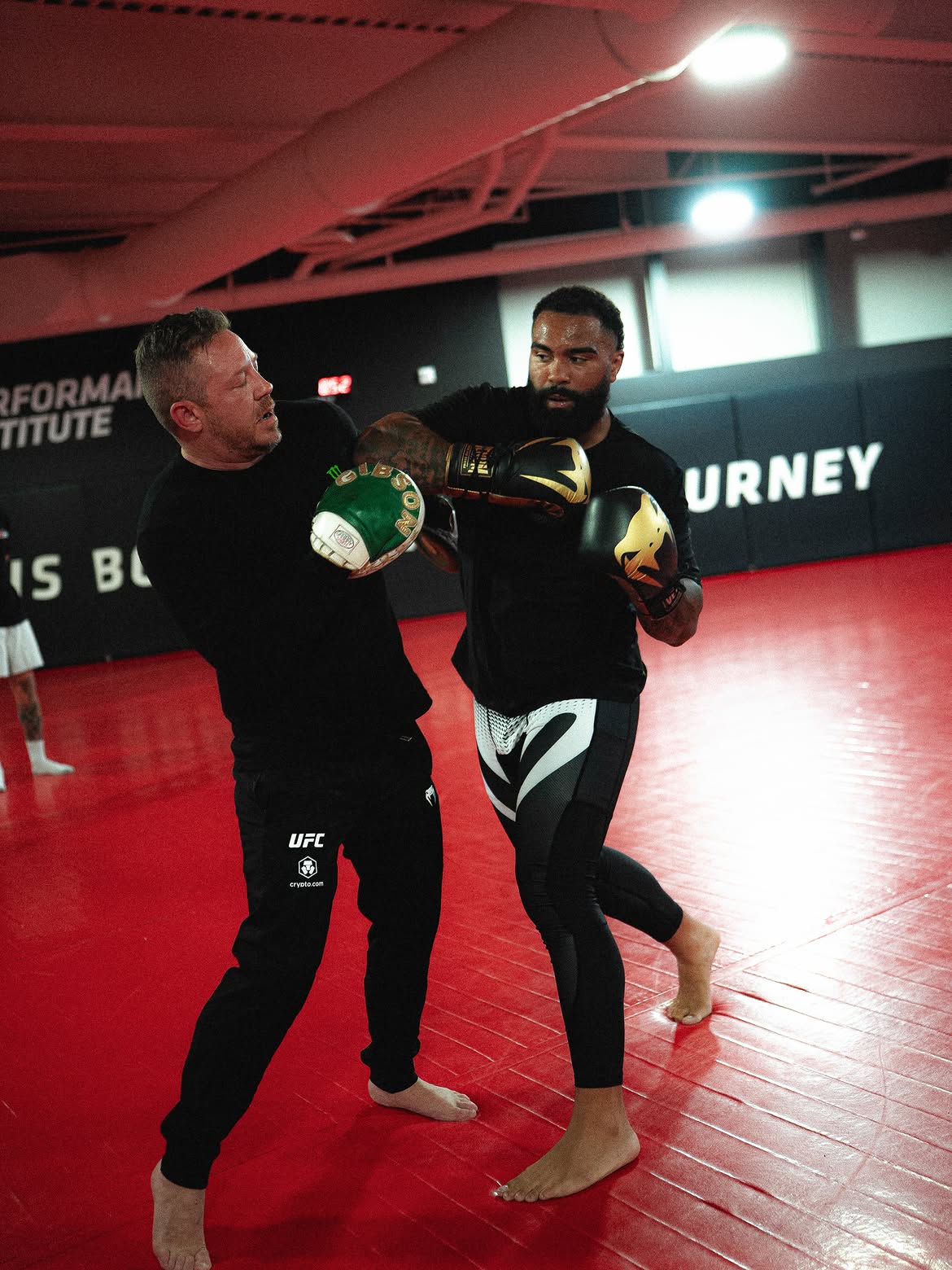
This lightning-fast adaptation to the new rules immediately caught the attention of Ultimate Fighting Championship (UFC) scouts. The world’s largest organization quickly signed him to an official contract, openly viewing him as the next undisputed heavyweight champion. And news of his joint training camps with a cage legend like Jon Jones only served to confirm the seriousness of Stivenson’s intentions to conquer the world of MMA.
True or False: Gable Steveson Once Turned Down a Secret Hollywood Action-Movie Deal to Chase a Four-Sport Legacy
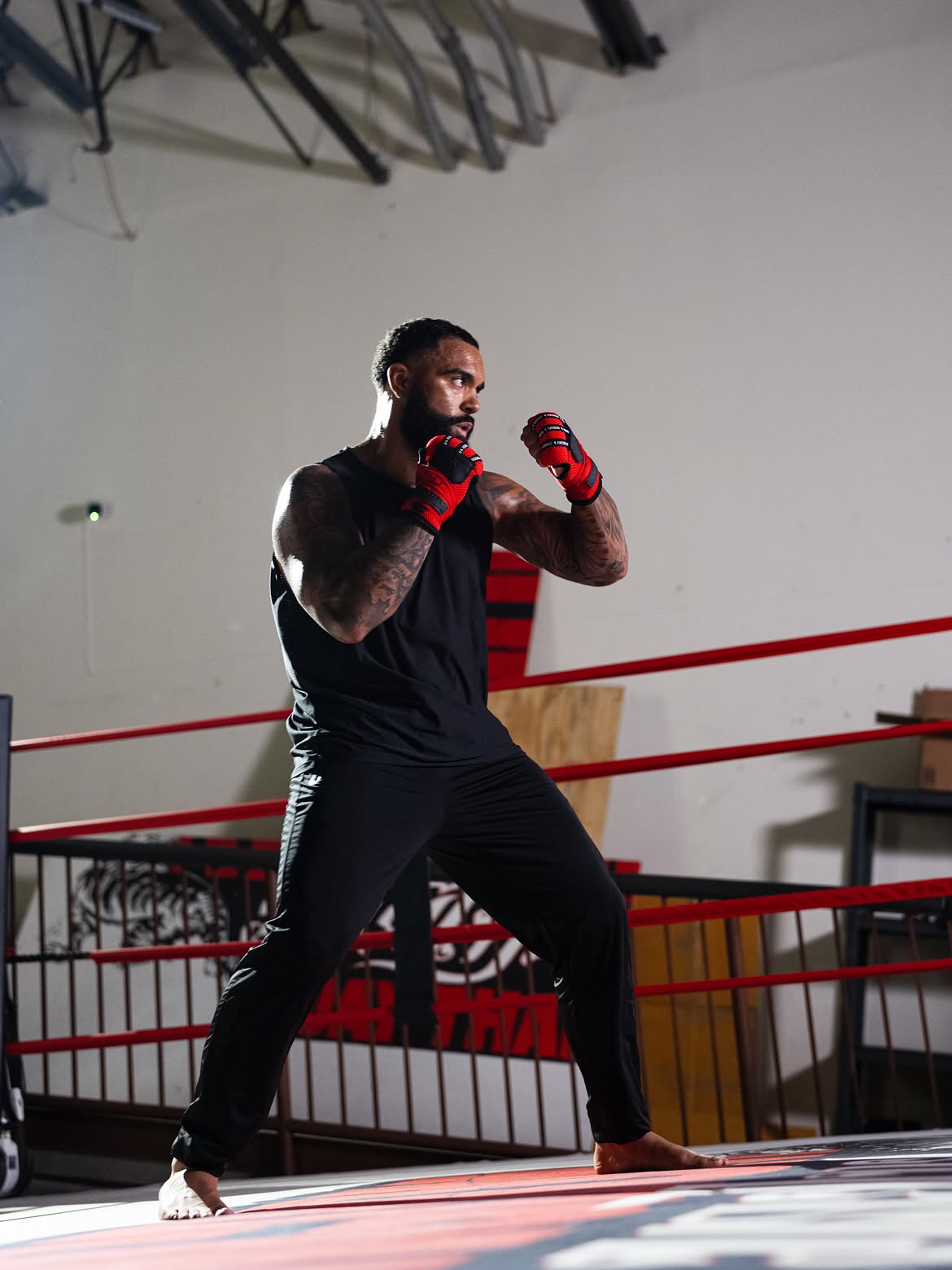
Guess if it’s true that after his Olympic gold medal, Gable Steveson was quietly approached for a Hollywood action-movie role that would have turned him into the next "fighter-hero" on screen — but he rejected it because he had an even stranger personal goal: to become the first athlete to win Olympic gold, capture a major professional wrestling title, record an NFL sack, and score a UFC knockout before turning 30.
According to this fictional version of the story, the offer came at the exact moment when Steveson’s name was exploding beyond amateur wrestling. Producers allegedly saw him as a perfect modern action star: young, massive, athletic, already famous, and comfortable in front of cameras. The rumored pitch was simple — build a movie around a real Olympic champion who enters an underground combat tournament, mixing wrestling, football-style power, and MMA violence. In other words, not just another actor pretending to be dangerous, but a real combat athlete carrying the entire film.
But the legend says Steveson said no. Not because the money was bad, and not because the role was too risky. The reason, supposedly, was that he did not want to become "famous for pretending to fight" before proving he could succeed in every real combat-adjacent world available to him. First Olympic wrestling. Then WWE. Then the NFL. Then MMA. One career, four stages, each one designed to answer a different question about what kind of athlete he really was.
It sounds almost believable because Steveson’s real career has already jumped between worlds that most athletes would never even enter. Olympic wrestling to WWE is rare. Olympic wrestling to football is even stranger. Olympic wrestling to MMA feels logical, but still dangerous. Put all of that together, and the Hollywood rumor feels like something that could have happened behind closed doors.
But do you believe this story is true — or is it completely false?