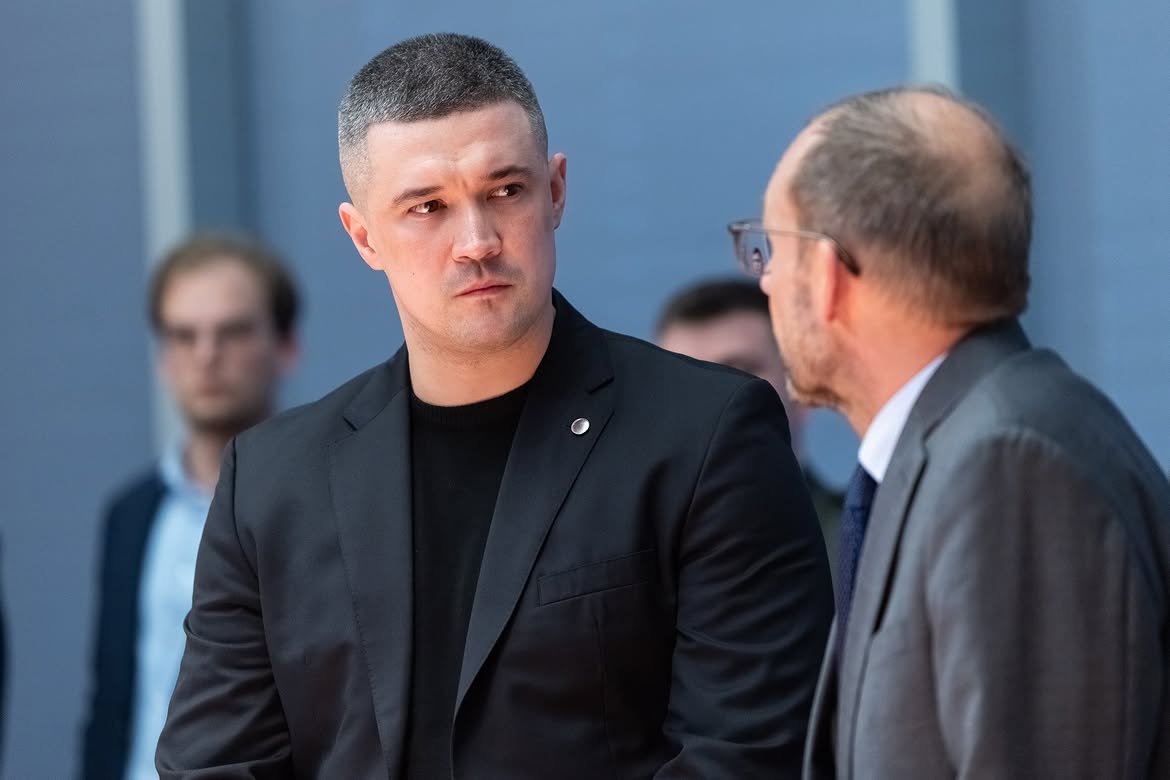
His career reads like a gripping tech thriller, in which a former digital marketer from Zaporizhzhia suddenly finds himself entrusted with the keys to national security and at the epicenter of the 21st century’s most massive technological war. Mykhailo Fedorov burst onto the Ukrainian political scene as the embodiment of Volodymyr Zelenskyy’s libertarian dream, transforming a rigid bureaucracy into the glossy "Diya" app in just a few years. But when he—like Steve Jobs in a tactical jacket—was tasked with reforming the inner sanctum—the Ministry of Defense—the office evolution instantly turned into a veritable minefield, where progressive IT algorithms clashed with the unyielding military machine.
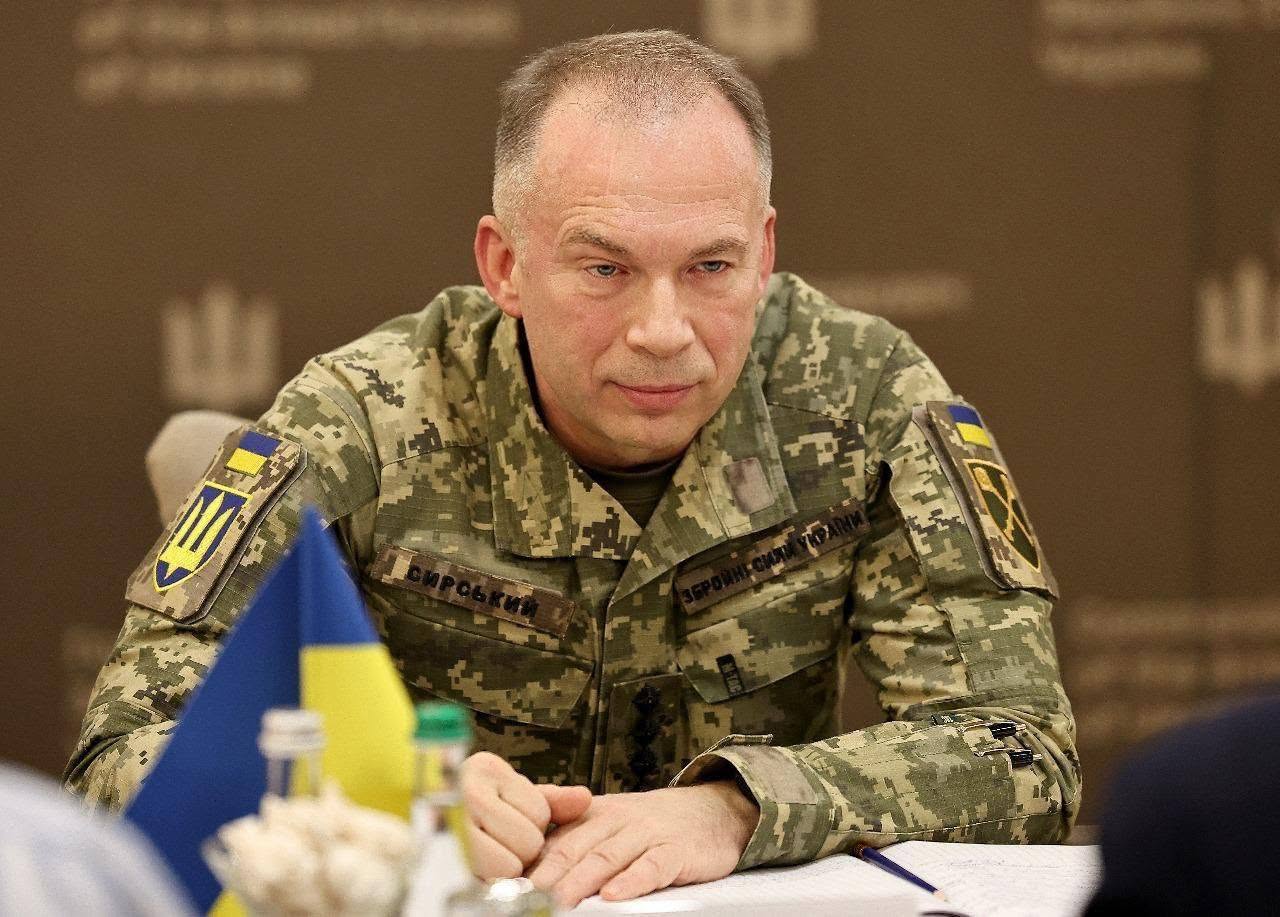
The biggest shock to the public was not the "digital heretic’s" appointment to the top defense post itself, but his subsequent behind-the-scenes, almost gladiatorial battle with the general staff and Commander-in-Chief Oleksandr Syrskyi. This conflict between two completely opposing worlds—the classical military school and a daring visionary accustomed to resolving global crypto crises with Elon Musk on X — nearly triggered the most high-profile split in the government in 2026. So who is he really: a savior leading the army into the era of unmanned technology, or an ambitious disruptor whose radical reforms nearly cost him his career?

Did You Know Mykhailo Fedorov May Have Used a Secret "Three-Minute Rule" to Test Government Services?
Mykhailo Fedorov became internationally associated with Ukraine’s technology-driven government reforms, particularly the development of digital public services through Diia. He later attempted to bring a similarly data-focused approach into the Ministry of Defence, serving as defence minister from January until July 2026. But one of the most intriguing stories surrounding his management style concerns an unofficial rule that supposedly never appeared in any government strategy.
According to this legend, Fedorov believed that an ordinary digital public service should take no longer than three minutes to complete. If a user could not understand what to do within that time, the service was allegedly declared "bureaucratically broken", even when it technically functioned without errors.
The story claims that Fedorov sometimes tested new services under deliberately uncomfortable conditions. Instead of using a fast office computer, he supposedly opened them on an older smartphone, reduced the internet speed and attempted to complete the process while walking through a corridor. Some versions of the legend even suggest that developers had to demonstrate their products using only one hand, imitating a parent holding a child or a commuter standing on public transport.
The most controversial part is that members of the team allegedly called this approach the "TikTok test". The idea was not that government services should contain entertainment, but that they should be as immediately understandable as the world’s most popular consumer apps. Critics could argue that dealing with taxes, documents or national administration should never be simplified to the logic of social media. Supporters, however, might say that citizens should not need professional legal knowledge merely to interact with their own government.
There is no reliable public evidence that a literal three-minute rule existed. It may simply be an exaggerated description of Fedorov’s preference for fast, user-friendly digital systems. Nevertheless, the legend raises a fascinating question: should government services be designed with the same obsession over convenience as Instagram, Uber or online banking?
And could Ukraine’s digital transformation really have been influenced by a stopwatch hidden in Fedorov’s pocket?

1. From Watermelon Picker to Statesman
The politician spent his childhood and youth in the small town of Vasylivka, in the Zaporizhzhia region. It was there, long before the first startups emerged and he was introduced to the world of high technology, that he gained his first work experience—one that was as far removed from computers and the internet as possible.
Even as a teenager, he began earning his own money by working on local farms. From early morning until late at night, he picked tomatoes, watermelons, and other vegetables in the fields—work that required considerable physical endurance, patience, and strict self-discipline.
This background — unusual for a future minister — instilled in him a clear understanding of the value of hard work. Later, he often noted that it was precisely his work on the land that taught him to take responsibility for the results and to realize that success does not come as a gift of fate, but is earned through daily effort.
2. Chess as a Tool for Strategic Thinking
In a world where most IT professionals and digital marketers are passionate about esports, new gadgets, or programming, Fedorov has a rather classic intellectual hobby. He is a serious chess player and has even earned his first adult ranking in the game.
Chess taught him a key skill that later became the foundation of his management style—the ability to anticipate events several moves ahead. The ability to analyze complex, multi-level combinations on the board proved invaluable during the design and development of nationwide electronic databases.
Even in his office in the government quarter, he keeps a chessboard as a reminder of the need to keep a cool head. For him, it is not just an aesthetic interior decoration, but a practical way to shift his focus during tense negotiations or crisis management situations.
He views many political and technological challenges—such as the fight against bureaucracy or the launch of new electronic registries—as a complex chess game. In such a game, it is sometimes necessary to skillfully sacrifice minor pieces in order to achieve the overarching goal: the complete digitization of the country.
3. A Taste of Power as "Student Mayor"
He began his journey into the public sphere while still a student in the Department of Sociology and Management at Zaporizhzhia National University. Instead of limiting himself to just attending lectures, he immediately began launching his own civic initiatives and rallying ambitious young people around him.
In 2012–2013, he won the election and became the "student mayor" of Zaporizhzhia. In this symbolic yet highly influential position within the youth community, he organized the large-scale civic movement "Aktiv-Z", which brought together hundreds of engaged students.
It was then that he gained his first serious practical experience managing teams of volunteers and communicating with local officials and international foundations. This student "sandbox" became the ideal testing ground for honing the leadership skills he would later need at the national level.
4. His First and Unsuccessful Bid for Parliament with the "5.10" Party
Few people know that before his phenomenal success with Volodymyr Zelenskyy’s team, the young politician had made another attempt to enter the world of big-time politics. This happened during the turbulent year of 2014, when the future minister was only 23 years old and the country was in need of new faces.
At that time, he ran for the Verkhovna Rada of Ukraine as a candidate for the libertarian political party "5.10", founded by entrepreneur Hennadiy Balashov. He appeared low on the party’s electoral list at number 166, which made his chances of winning a seat in parliament purely theoretical.
Although that election campaign ended in defeat for the party—which failed to clear the electoral threshold—this experience served as an extremely important lesson for him. He saw firsthand how election strategies work, understood the weaknesses of traditional street campaigning, and realized the hidden power of social media.
Having drawn the right conclusions from this experience, he decided to temporarily set aside his political ambitions and focus on developing his own business. It was this break that allowed him to immerse himself in digital marketing and return to the political arena as a recognized and sought-after expert, just like his colleague David Arakhamia.
5. The Business That Opened the Door to the Big League
In May 2013, in his hometown of Zaporizhzhia, he founded his own digital marketing agency called SMMSTUDIO. The company specialized in professionally setting up targeted ads and providing comprehensive business promotion on Instagram and Facebook, which at the time was an extremely innovative niche in Ukraine.
The agency very quickly outgrew its purely regional scope and began signing contracts with major national brands and entertainment projects. One of his team’s most influential clients was the concert agency "Kvartal-Concert", which organized large-scale performances by famous artists.
Successful advertising campaigns and effective online audience engagement caught the attention of the future President of Ukraine and his inner circle. This close business collaboration laid a solid foundation of trust, thanks to which Fedorov was later entrusted with full oversight of the digital component of the historic 2019 election campaign.
6. A Breaker of Age Stereotypes in Government
When he was appointed Deputy Prime Minister and Minister of Digital Transformation of Ukraine in late August 2019, he had just turned 28. This officially made him the youngest government official in the history of Ukraine’s independent politics.
His appointment shattered the long-standing and entrenched stereotype that decades of bureaucratic experience are necessary to lead a ministry. Instead, he brought the dynamic culture of an IT startup into the upper echelons of government, where rapid decision-making, hypothesis testing, and flexibility are valued far more than formal paperwork.
At first, many conservative politicians were openly skeptical of the ambitious "State in a Smartphone" project and the bold idea of digitizing all existing government services. However, his young team quickly proved them wrong by creating the unprecedented "Diya" ecosystem, which is now used daily by over 22 million Ukrainians.
This high-profile precedent has permanently opened the door to public administration for an entirely new generation of managers. It has clearly demonstrated that youth and a lack of Soviet-era management experience need not be a disadvantage—but rather, a key advantage in an era of rapid global digitalization.
7. One-Tweet Diplomacy and Elon Musk
During the most difficult early days of the full-scale Russian invasion, when the country faced the threat of complete destruction of its telecommunications infrastructure, the minister employed a completely unconventional diplomatic approach. Instead of sending lengthy official requests through standard embassy channels, he opted for direct communication via the social media platform Twitter (now X).
He publicly and passionately appealed to SpaceX founder Elon Musk, urging him to provide Ukraine with Starlink satellite communication terminals while Musk was focused on colonizing Mars. This bold yet sincere message in the open public sphere worked better than any government diplomatic note.
Elon Musk responded in the comments almost immediately, and within a few days, the first trucks carrying the terminals arrived in the country. This provided the military, medical personnel, and critical infrastructure with stable and secure communication, and the incident itself went down in history as an example of how a single well-timed post can save an entire nation.
8. Creation of the World’s First Volunteer Cyber Army
Another revolutionary step taken in the first weeks of the great war was the launch of a large-scale Ukrainian IT army. Recognizing that the country possessed enormous potential in terms of developers and engineers, the minister called on anyone interested to join the digital resistance through a public channel on Telegram.
This was by no means a traditional military unit with strict chain of command, barracks, and officers. Hundreds of thousands of hackers, IT professionals, and simply concerned citizens from around the world voluntarily joined the initiative, coordinating their joint attacks exclusively in cyberspace.
This vast decentralized network began launching extremely powerful DDoS attacks on Russian government registries, banking systems, propaganda outlets, and logistics hubs. The actions of these cyber volunteers inflicted enormous economic damage on the enemy, regularly paralyzing the aggressor’s key online services.
Thanks to this bold decision, Ukraine effectively became the first country to legalize a new dimension of warfare involving the civilian population. Today, the world’s leading intelligence agencies are studying this unique experience of mass self-organization by citizens to defend national interests in cyberspace.
9. The "Drone Army" Project and the Revolution on the Battlefield
Realizing that smart technologies could quickly and effectively offset the enemy’s massive numerical superiority in military equipment, the minister became one of the main architects of the "Drone Army" project. This ambitious initiative launched on the UNITED24 fundraising platform, initially as a simple global campaign to raise funds for the purchase of basic commercial drones.
However, the project very quickly evolved into a large-scale government program that gave a powerful boost to the development of the entire Ukrainian defense-tech sector. Thanks to the removal of complex customs barriers, a radical simplification of the certification process, and the launch of the innovative Brave1 cluster, hundreds of new local UAV manufacturers have emerged in Ukraine.
This systematic technological approach has forever changed the philosophy of modern warfare. The widespread and standardized use of reconnaissance, strike, and FPV drones has made it possible to significantly minimize risks to personnel while inflicting astronomical damage on Russian armored vehicles.
10. The Historic Transition to the Ministry of Defense in 2026
The true culmination of his career and the highest recognition of his organizational abilities as a politician came on January 14, 2026, when the Ukrainian parliament appointed him to the highly responsible position of Minister of Defense of Ukraine. This personnel decision came as a resounding surprise to both international partners and domestic military experts.
The appointment to the highest defense post of a person with a background as a creative IT entrepreneur and the chief architect of the "Diya" app sent a clear signal of a shift in state strategy. The country’s leadership has made an uncompromising bet that the wars of the future will be won thanks to artificial intelligence, robotic systems, and flawless digital logistics—not just heavy weaponry.
Although just a few years ago, the most conservative citizens at street protests against rampant digitalization called him the "digital Antichrist", his unprecedented effectiveness has silenced his critics. In his new position, he received a full mandate of trust to rigorously purge the defense ministry of all remnants of corruption schemes and Soviet-era red tape.
His rise to political leadership of the Armed Forces marked the final stage in the creation of a truly new type of army. The entire focus of management has shifted toward ensuring that combat units are fully equipped with innovative unmanned systems, building an invulnerable cyber infrastructure, and implementing transparent management practices in line with the world’s best corporate standards.
11. Political Turbulence and Conflict with the General Staff
His appointment as Minister of Defense in early 2026 proved to be a challenge vastly different from anything Fedorov had faced before. Just a few months later, on July 15–16, shortly after taking office, events began to unfold around him, leading to a major government crisis amid wartime conditions.
At the heart of the conflict lay a fundamental clash between two different philosophies of war management. On the one hand, the minister insisted on a radical expansion of unmanned systems and granting greater autonomy to units operating robotic systems. On the other hand, Commander-in-Chief Oleksandr Syrskyi, drawing on classical military doctrine, demanded the preservation of a rigid, centralized chain of command and the prioritization of traditional artillery approaches.
Public tension reached a peak when information about "blocked orders" regarding funding for promising drone developments leaked to the media. Sources in the defense sector reported heated debates at General Staff meetings, where the minister openly accused the General Staff of sabotaging the "technological revolution" in order to preserve outdated combat methods. Oleksandr Syrskyi issued an ultimatum to the President: either the Commander-in-Chief of the Armed Forces would resign, or Defense Minister Fedorov would step down. At the same time, Volodymyr Zelenskyy dissolved the Cabinet of Ministers, and Prime Minister Yulia Svyrydenko resigned. Rumors suggest that one of the reasons was the need to remove Mykhailo Fedorov, but this could not be done directly — Fedorov’s approval ratings are quite high. People in various cities across Ukraine took to the streets in rallies in support of the Minister of Defense.
Guess If It’s True That Fedorov Planned to Close Every Ministry Building for One Week
Imagine that Mykhailo Fedorov once prepared a secret experiment called "The Week Without Offices". According to the invented story, every major government ministry in Ukraine would close its physical headquarters for seven days. Ministers, advisers and civil servants would be prohibited from entering their usual offices, while the state would attempt to continue operating entirely through smartphones, encrypted video calls and digital documents.
The alleged purpose of the experiment was simple but radical: to discover which parts of the government actually needed physical buildings and which survived only because "that is how things had always been done".
In this fictional plan, senior officials would work from temporary mobile command centres located inside buses. Citizens would submit applications digitally, artificial intelligence would sort routine requests, and government employees would be required to explain why any document still needed to be printed. Every time someone requested a paper signature, the system would supposedly record it as a "digital failure".
The most controversial stage would come at the end of the week. Citizens would reportedly be invited to vote on which government offices deserved to reopen. Departments that had continued functioning normally online could lose part of their office space, while the empty buildings might be converted into technology schools, drone laboratories or public coworking centres.
Some versions of the fictional story claim that traditional officials strongly opposed the proposal. They supposedly warned that government could not be run like a technology startup and that an experiment of this scale might create chaos. Fedorov, meanwhile, allegedly argued that temporary chaos would expose permanent inefficiency.
The scenario sounds strangely believable because it exaggerates the public image associated with Fedorov: a politician who preferred apps, measurable results and digital processes to queues, stamps and folders. However, there is no credible evidence that he proposed closing all ministry buildings or running the Ukrainian government from buses for a week.
Still, would such an experiment have revealed unnecessary bureaucracy—or would it have brought the entire state administration to a halt?
Do you believe this story is True or False?