He sat at the same table as the Russian terrorist delegates, wearing a plain baseball cap, deciding the fate of the country, while his electronic financial disclosures concealed millions of dollars in cash and luxury real estate listed at suspiciously low prices. Who is David Arakhamia, really? Is he the brilliant IT millionaire David Braun, who sold his business for over a hundred million, an energetic DJ at exclusive parties for the upper echelons of power, or a ruthless pragmatist and the "gray cardinal" of the Ukrainian parliament? And how did he end up in the Servant of the People political party, and how does he know Volodymyr Zelenskyy?
His life is one big paradox and a high-stakes thriller, where his status as a Georgian refugee borders on luxury, and serious politics intertwines with mystical revelations on "Battle of the Psychics". Behind the scenes of tedious parliamentary sessions lies a biography filled with big money, unexpected transformations, and backroom intrigues. Brace yourselves, because these facts will forever shatter your notions of what a classic Ukrainian politician should be like.
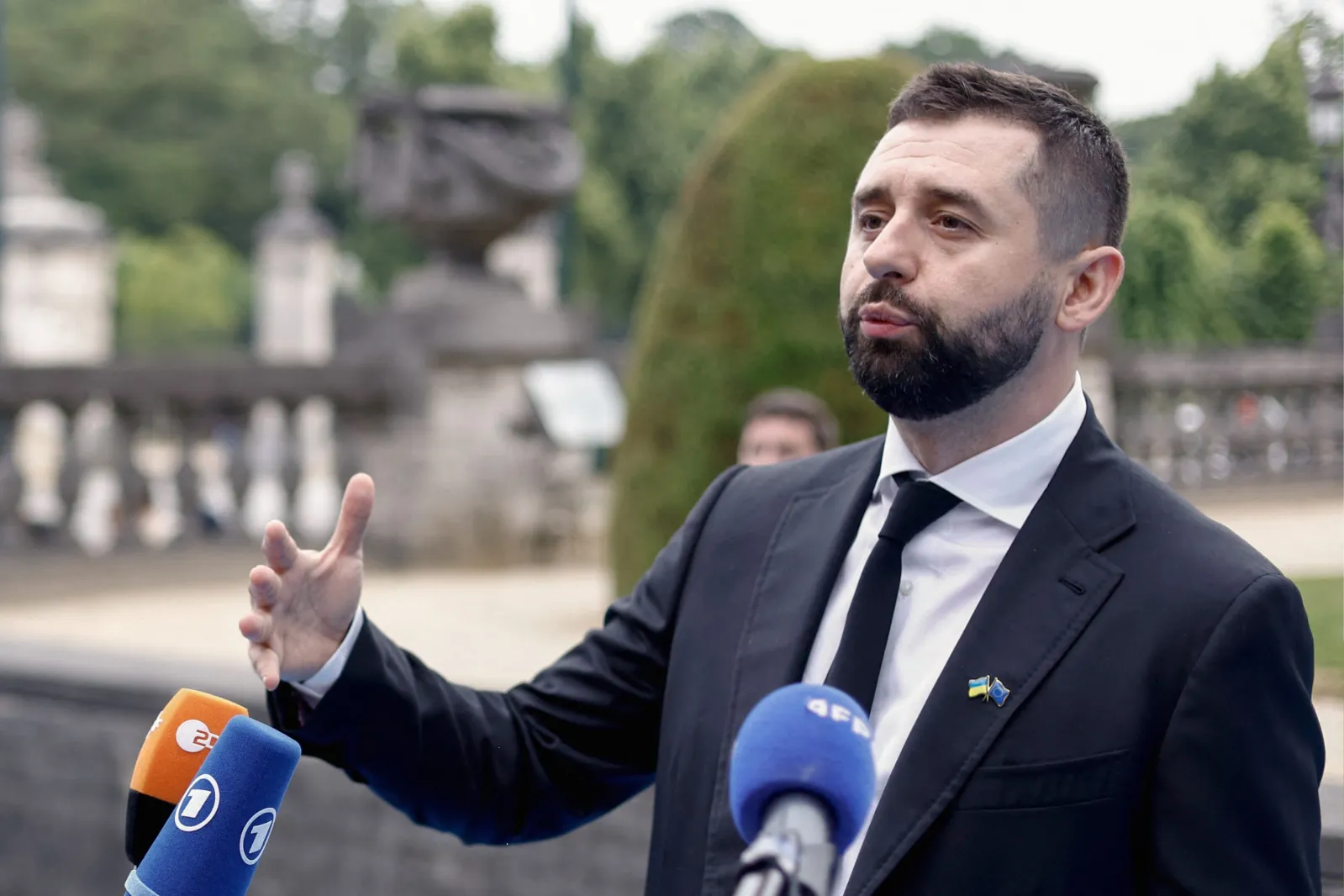
Did You Know That Davyd Arakhamia Built Part of His Early Public Identity Under the Name "David Braun"?
Did you know that before David Arakhamia became one of the most recognizable figures in Ukraine’s parliament, he was widely known in the technology world as "David Braun"? Contemporary reporting described this as the nickname under which he developed his reputation as an IT businessman. At first glance, that detail sounds like the opening of a political thriller: a future parliamentary leader, a second surname, an international technology business, and eventually a seat at some of Europe’s most sensitive negotiating tables.
The documented reality is less cinematic—but arguably more interesting. Arakhamia’s official biography states that he co-founded the international IT company TemplateMonster and later launched the Weblium website-building platform. He subsequently moved from entrepreneurship into volunteer work connected with Ukraine’s defense needs, becoming an adviser in the Mykolaiv region, working with the Ministry of Defense and chairing a volunteer council.
In June 2019, President Volodymyr Zelenskyy appointed him secretary of Ukraine’s National Investment Council. The official announcement explicitly introduced Arakhamia as an IT entrepreneur, public figure and volunteer. Only a few months later, he became the leader of the Servant of the People faction in parliament—a position involving political coordination rather than software development.
What makes the "David Braun" detail so provocative is not evidence of a hidden identity; there is no credible basis for treating it as one. The intrigue lies in what it reveals about modern political branding. In the international startup world, an easily pronounced professional name can be a practical marketing choice. In politics, however, even an ordinary nickname may suddenly appear mysterious once its owner becomes involved in government appointments, wartime legislation and confidential diplomatic discussions.
That transformation has been remarkable. Arakhamia represented Ukraine during negotiations with Russia in 2022 and remained involved in high-level consultations with American officials in 2026. The same person who once marketed digital products to an international online audience later helped communicate national positions during a major war.
Perhaps the real "secret", therefore, is not why he used the name David Braun, but how naturally the abilities associated with technology entrepreneurship—branding, rapid decision-making, negotiation and message control—can transfer into politics. Was "David Braun" merely a convenient business nickname, or did it unintentionally become the first version of a carefully constructed public persona?
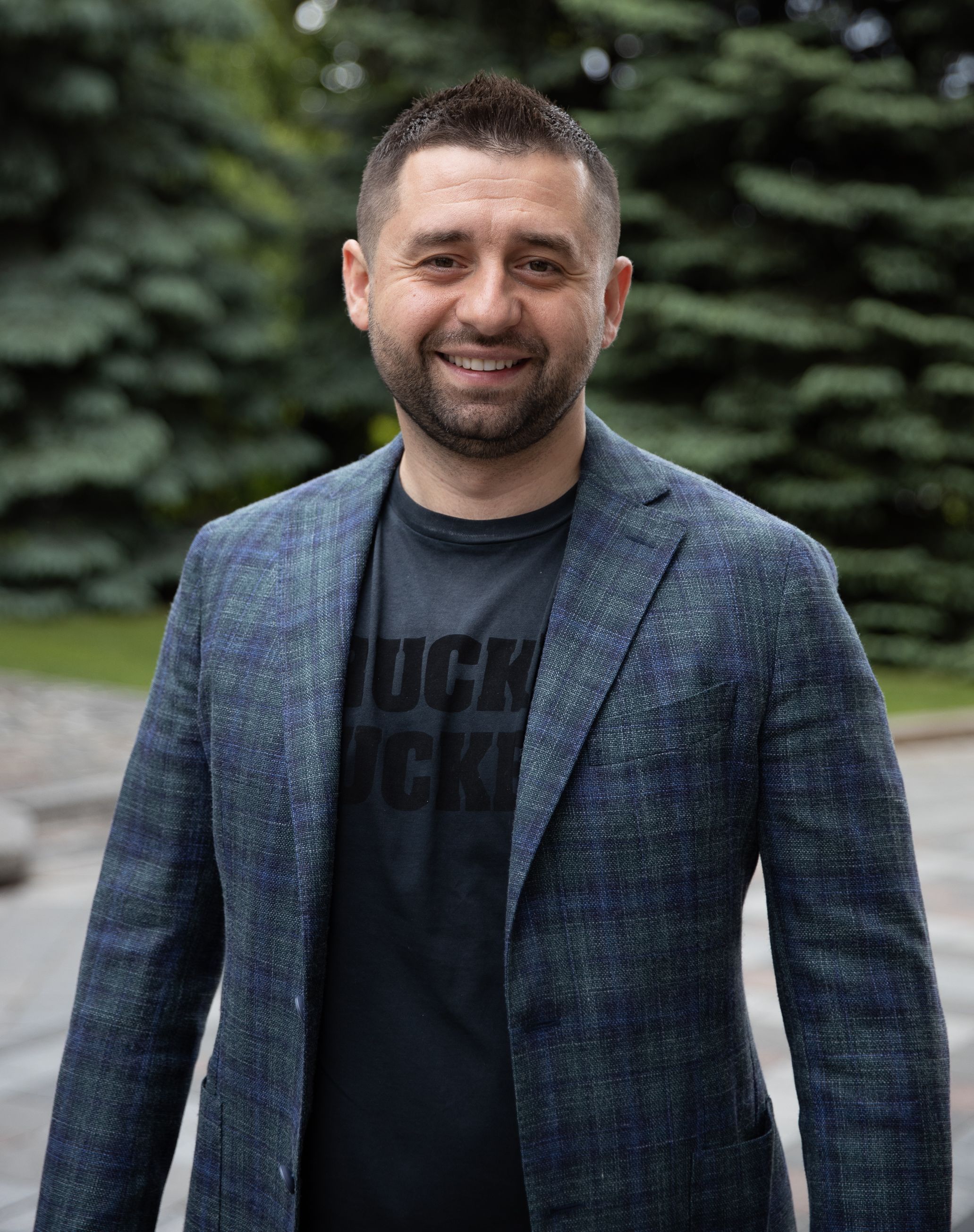
1. From Refugee to Ukrainian Citizen
David Arakhamia was born on May 23, 1979, in the Russian city of Sochi. Later, his family moved to Gagra, in Abkhazia (Georgia). That is where he spent part of his childhood.
When he turned 12, in 1992, the family was forced to flee the horrors of the war in Abkhazia. Their journey as refugees was quite difficult: at first, they sought refuge in Latvia, then lived for some time in Penza, Russia, and only later finally settled in Mykolaiv, Ukraine.
David grew up there and graduated from Secondary School No. 36. Interestingly, despite living in Ukraine for a long time, he retained his refugee status for a very long time. David Arakhamia did not receive his Ukrainian passport until February 2015. Until then, he officially remained a citizen of Georgia.
2. An IT Millionaire and the Creation of a Global Giant
David Arakhamia’s path to becoming a dollar millionaire is a classic success story that began not in Silicon Valley, but in Mykolaiv, Ukraine. In the early 2000s, when the internet was just beginning to penetrate the business world on a large scale, creating your own website was a true luxury. Custom development cost thousands of dollars and required months of painstaking work by programmers and designers. It was then that a young David, while still a student, founded a small web studio with his partners to create custom websites.
The key insight that would later lead the team to a multi-million fortune stemmed from a desire to automate routine tasks. The entrepreneurs realized: why build a website from scratch for every client when they could develop universal, professional designs and sell them on a large scale? Thus, in 2002, the TemplateMonster platform was born.
Instead of expensive, custom solutions, clients were offered the chance to purchase a high-quality, ready-made template for just $30–50. All they had to do was change the basic text and photos. This solution was a true breakthrough and democratized the web development market.
TemplateMonster’s business model was focused from the outset not on the domestic market, but on Western consumers—primarily in the U.S. and Western Europe. Western customers appreciated the speed and affordability of the Ukrainian product. It was during this period of active international communication that Arakhamia realized that his Georgian surname was too difficult for American partners and customers to pronounce. To avoid creating barriers to communication, he adapted his name and became David Brown—a pseudonym that has firmly stuck with him throughout the global IT community.
Over the years, the company experienced phenomenal growth. From a small team in Mykolaiv, TemplateMonster grew into an international giant. At the peak of its development, the company had hundreds of employees, released dozens of new designs every day, and was among the top three global providers of web templates. Millions of entrepreneurs around the world used their products. David Arakhamia effectively became one of the pioneers of the "off-the-shelf" web solutions industry, paving the way for many modern website builders.
The logical culmination of this phase was a high-profile deal on the international market. In 2013, a major American investment fund acquired TemplateMonster. The total sale price exceeded $100 million, making Arakhamia an official multimillionaire.
However, after his exit (leaving the business), he didn’t stop. David moved to the U.S. and continued to invest in tech startups. One of his next major projects was Weblium—a modern website builder that used artificial intelligence to automatically generate designs. The ability to build complex systems, scale them globally, and manage large teams—these are the skills from his IT background that later helped him quickly roll out an effective volunteer network in Ukraine.
3. The David Brown Phenomenon and His Career as a DJ
The story behind the pseudonym "David Brown" isn’t just about wanting a cool foreign name—it’s a shrewd business decision that eventually evolved into a full-fledged alter ego.
In the early 2000s, when TemplateMonster was just entering the American market, Western clients’ level of trust in developers from the post-Soviet space was quite low. Moreover, the Georgian surname Arakhamia—which sounded unusual to English-speaking ears—caused constant difficulties with pronunciation and spelling in daily business correspondence. David solved this problem in the most pragmatic way possible: he chose a pseudonym that sounded reputable, clear, and American. That’s how David Brown was born.
This personal brand proved so strong that even after he returned to Ukraine and began active volunteer work in 2014, most people knew him specifically as Brown. For a long time, many Ukrainian activists, military personnel, and journalists didn’t even suspect that David Arakhamia was the person behind this familiar name.
However, the name David Brown has taken on a life of its own not only in the IT business and volunteer circles, but also behind the DJ booth. For a politician, a passion for electronic music is not just a casual hobby, but a deep passion and a way to unwind emotionally. Leading the largest parliamentary faction requires tremendous self-control, and mixing tracks has become a form of meditation for him and an opportunity to take a break from public affairs. He has professional equipment and truly understands the technical nuances of DJing.
He gave his most famous public performance in this role in the fall of 2021. At that time, the Servant of the People party organized a large-scale off-site strategic session in the city of Truskavets. After several days of intense political debates, personnel discussions, and reform presentations, the organizers hosted a private gala dinner for members of parliament, ministers, and representatives of the Office of the President of Ukraine. Arakhamia had promised his colleagues in advance: if they worked productively during the sessions, he would personally spin a set for them.
He kept his promise. David took off his formal attire, put on a black hoodie, stepped behind the turntables, and transformed into DJ David Braun.
His set consisted of a mix of well-known global hits with a contemporary electronic twist. A video showing the head of the ruling party’s faction confidently working the DJ equipment while lawmakers danced around him instantly went viral on social media. For Ukrainian politics, which has traditionally leaned toward secrecy and strict formality, this speech was an unprecedented manifestation of a completely new, informal internal culture.
4. A Surprise on TV: Appearance on "Battle of the Psychics"
Politics and business aren’t the only areas where the current head of the parliamentary faction has made a name for himself. In 2018, even before his high-profile entry into big-time politics, he appeared as a guest on an episode of the popular paranormal TV show "Battle of the Psychics". In that episode, the participants had to read the guest’s energy and reveal facts about his life. This television experience—unusual for a serious politician and IT entrepreneur—added a colorful touch to his biography.
5. Modern Family: Six Children and Friendship Between the Wives
The politician’s personal life is no less eventful. David Arakhamia is the father of six children. He has two sons, named David and Daniel, and four daughters—Dana, Demi, Darika, and Denis.
Arakhamia is currently in his second marriage to his wife, Viktoria. He divorced his first wife due to an excessive workload and his inability to spend time with his family. However, the most surprising fact is that his ex-wife and current wife have a wonderful relationship. They are true friends who often get together for trips and vacations with all the children.
6. The Birth of a Volunteer Movement and an Order from the President
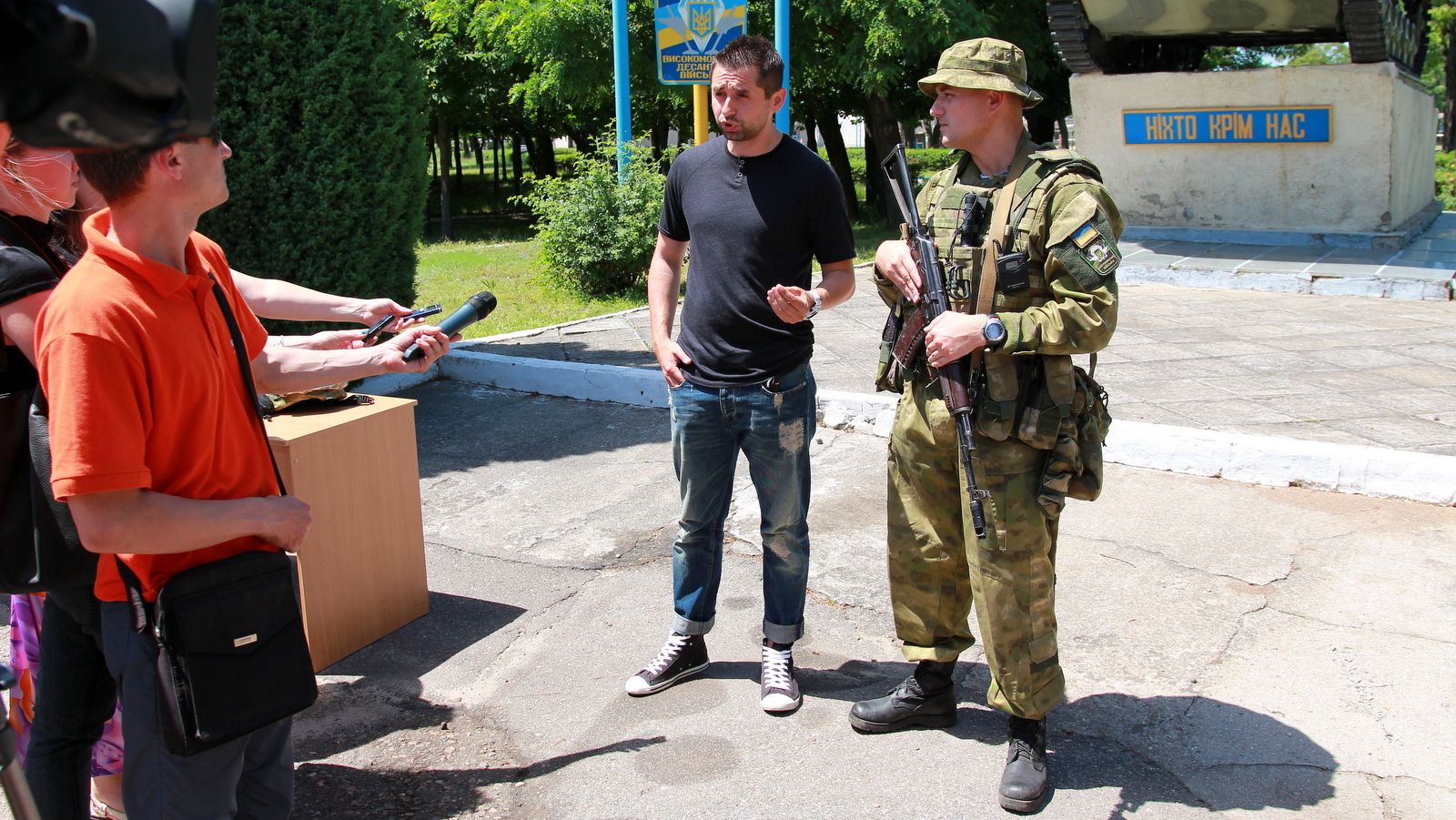
The events of 2014 radically changed the focus of David’s activities. He left his business affairs behind and became actively involved in supporting the Ukrainian army. Together with a friend, he founded a crowdfunding platform that grew into a large-scale volunteer organization called "The People’s Project".
The main goal of the initiative was to purchase necessary equipment for the paratroopers of the 79th Separate Airborne Assault Brigade from his hometown of Mykolaiv. Thanks to his managerial skills, Arakhamia organized an effective system for supplying the military. For these efforts, in August 2014, the President of Ukraine awarded him the Order "For Merit", Third Class.
7. International Education and a British Degree
David Arakhamia’s educational journey is a striking example of how intellectual capital becomes the primary social ladder, especially when you start life from scratch. After fleeing the war in Abkhazia, his family found themselves in Ukraine without any wealth, property, or influential connections. The young man quickly realized that the only reliable foundation for building a successful future was a solid education and an understanding of how money works.
He earned his first higher education degree in Kyiv, enrolling at the European University. At the time, it was one of the first private institutions of higher education in Ukraine that sought to move away from outdated Soviet approaches and teach market economics according to new principles. David majored in "Economics" and earned a master’s degree. This foundational phase gave him the necessary understanding of macro- and microeconomic processes, financial planning, and pricing principles, which proved invaluable when launching his first startups.
However, as TemplateMonster began to grow rapidly and expand into the U.S. and European markets, Arakhamia faced a new challenge. Ukrainian economic theory from the early 2000s was woefully inadequate for managing a global IT business, negotiating with Western investors, and scaling a team to hundreds of employees. He needed modern, practical management tools and a deep understanding of Western corporate culture.
Instead of learning solely from his own mistakes, David decided to invest time in an international education. He chose the prestigious Professional Management program at the Open University in the UK. This London-based university is renowned for its innovative approaches to learning, which allow top managers and business owners to pursue their education without taking a break from running their companies.
The British degree gave him much more than just a prestigious line on his resume. While studying in England, Arahami mastered the principles of strategic management, risk management, and corporate structuring. It was this knowledge that enabled him to competently structure his IT business and ultimately prepare it for an extremely successful sale to an American investment fund.
Interestingly, this Western educational background unexpectedly proved useful in politics as well. When Arakhamia began volunteering, and later joined the Supervisory Board of the state-owned conglomerate "Ukroboronprom" and became a member of parliament, he applied British corporate practices to the public sector. He integrated business approaches into his work in the Ukrainian parliament and in negotiation processes: the use of KPIs, clear delegation of authority, and a focus on concrete results—an approach that differed radically from the traditional "nomenklatura" school of management.
8. From Volunteer to Member of the Supervisory Board of "Ukroboronprom"
David Arakhamia’s path to power began in the state defense sector. His background as a volunteer drew attention in 2019. On July 9, 2019, President Volodymyr Zelenskyy appointed him to the Supervisory Board of the state-owned concern "Ukroboronprom". Only later, in late August of that same year, did he officially become a member of parliament and head the "Servant of the People" faction.
9. Millions in Cash and Inconsistencies in Declarations
As someone who entered politics from the world of big business, Arakhamia has an impressive fortune. Together with his wife, Viktoria, they declared 2.1 million hryvnias, 250,000 U.S. dollars, and 100,000 euros—all in cash.
His financial documents have occasionally been the subject of discussion. In one of his electronic declarations, Arakhamia listed the value of his home as 10 times lower than its actual price. The politician himself attributed such inaccuracies to technical errors made while filling out the form.
10. Key Negotiator During the War
Russia’s full-scale invasion of Ukraine revealed Davyd Arakhamia in a completely new light. From a party official, he transformed into one of the country’s leading diplomatic communicators. From the very first days of the major war, he became a core member of the Ukrainian delegation that negotiated with representatives from Moscow in Belarus and later in Turkey. Photos of him sitting at the negotiating table across from the Russian delegation, wearing his signature baseball cap, have become one of the symbols of Ukraine’s informal but unwavering resistance.
Fictional True-or-False Challenge: Did Arakhamia Secretly Test an App Called "Coalition OS" to Predict Parliamentary Votes?
The following scenario is deliberately invented for entertainment and must not be presented as a verified biographical fact.
Guess whether it is true that David Arakhamia once commissioned a private software prototype called "Coalition OS", designed to predict how every member of the Servant of the People faction would vote before a bill reached the parliamentary chamber.According to this fictional story, the system was supposedly created by a small team of Ukrainian developers who had previously worked on commercial website tools. Each lawmaker received a private dashboard displaying proposed legislation, arguments prepared by party experts, public-opinion trends and a colored "risk score". Green meant that the deputy was expected to support the party’s position, yellow indicated hesitation, and red warned faction managers that the vote could be lost.
The most controversial alleged feature was a so-called "loyalty forecast". It supposedly analyzed parliamentary attendance, previous votes, television interviews, Telegram posts and even how quickly a deputy answered internal messages. The software would then estimate the probability that the person might abstain, oppose the faction or create an unexpected public controversy.
In the most dramatic version of the tale, politicians who repeatedly received red ratings were quietly removed from important meetings. They were never formally punished, but they allegedly stopped receiving advance information about appointments, negotiations and legislative plans. Supporters of the imaginary system reportedly called it an efficient management instrument, while critics compared it to digital surveillance inside a democratic institution.
The story sounds strangely plausible because Arakhamia genuinely came from the IT sector before becoming the leader of a large parliamentary faction. He co-founded TemplateMonster, launched Weblium, entered public service through volunteer and defense-related work and later participated in wartime negotiations.
But plausibility is exactly what makes fabricated political stories dangerous. No reliable public evidence establishes that "Coalition OS" existed, that Ukrainian deputies were secretly given loyalty scores or that an algorithm was used to control parliamentary voting. The application’s name, dashboard, risk ratings and secret pilot program are all fictional elements created specifically for this quiz.
Still, the imaginary story raises a genuine debate: would data-driven political management make parliament more efficient, or would it reduce elected representatives to numbers on a screen? And if such technology were ever introduced, should the public have the right to know?
What do you believe: True or False?