The rise of Adolf Hitler remains one of the most closely examined and debated political transformations in modern history. His path from a relatively unknown political agitator in post–World War I Germany to the absolute ruler of the country illustrates how fragile democratic institutions can become during periods of economic crisis, social unrest, and national humiliation. In the turbulent years of the Weimar Republic, widespread dissatisfaction, political fragmentation, and fear of instability created conditions that extremist movements could exploit.
Hitler’s ascent was not sudden, nor was it inevitable. It unfolded through a combination of calculated political strategy, effective propaganda, opportunistic alliances, and critical misjudgments by conservative elites who believed they could control him. Below are ten key facts that explain how he moved from relative obscurity to becoming the dictator of Germany and reshaping European history in the process.
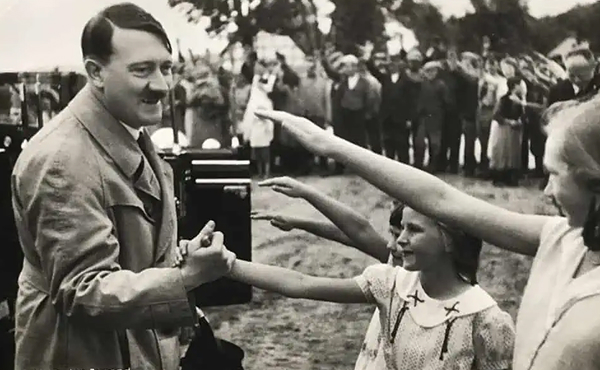
10 facts about Hitler's rise to power that you may not have known:
- Germany’s Defeat in World War I Created Political Chaos : After Germany’s loss in World War I, the country faced economic collapse, political instability, and national humiliation. The harsh conditions imposed by the Treaty of Versailles fueled resentment among many Germans, creating fertile ground for extremist movements.
- The Weakness of the Weimar Republic The democratic government established after World War I struggled with hyperinflation, political fragmentation, and frequent elections. Many citizens viewed it as ineffective, which allowed radical parties on both the left and right to gain support.
- Hitler Adolf Joined and Transformed the Nazi Party In 1919, Hitler joined the German Workers’ Party, which later became the Nazi Party. Through his powerful oratory skills and propaganda strategies, he quickly rose to leadership and reshaped the party into a mass political movement.
- The Failed Beer Hall Putsch Increased His National Profile In 1923, A. Hitler attempted to seize power in Munich in what became known as the Beer Hall Putsch. The coup failed, and he was imprisoned. However, the trial gave him national publicity and allowed him to present himself as a patriot.
- “Mein Kampf” Spread His Ideology While imprisoned, Hitler A. wrote Mein Kampf, outlining his nationalist, antisemitic, and expansionist ideas. The book later became central to Nazi ideology and helped define the party’s long-term goals.
- The Great Depression Was a Turning Point The global economic crisis triggered by the Great Depression devastated Germany. Unemployment soared, and public faith in democratic institutions declined. The Nazi Party capitalized on the crisis by promising economic revival and national restoration.
- The Nazis Became the Largest Party in the Reichstag By 1932, the Nazi Party had become the largest party in the German parliament (Reichstag). Although they did not win an outright majority, their electoral success made Adolf H. a central political figure.
- Political Elites Underestimated A. Hitler Conservative politicians believed they could control AdolfHitler by appointing him to a limited role within government. On January 30, 1933, President Paul von Hindenburg appointed Hitler as Chancellor of Germany, assuming he could be managed.
- The Reichstag Fire Accelerated His Consolidation of Power In February 1933, the Reichstag Fire was used by the Nazis to justify emergency decrees. Civil liberties were suspended, and political opponents were arrested, weakening democratic resistance.
- The Enabling Act Established Dictatorship In March 1933, the Reichstag passed the Enabling Act of 1933, allowing Hitler’s cabinet to enact laws without parliamentary approval. This effectively dismantled Germany’s democracy and marked the beginning of totalitarian rule.
Conclusion
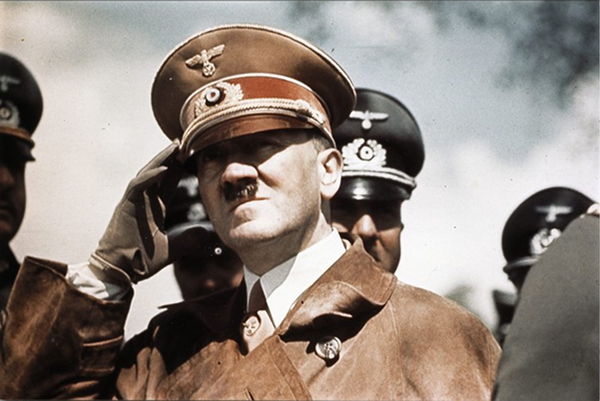
Hitler’s rise to power was not the result of a single event but rather a combination of economic crisis, political instability, strategic propaganda, and miscalculations by traditional elites. Understanding these factors remains essential for analyzing how democratic systems can erode under pressure and how authoritarian leaders can exploit times of national crisis. Discover 10 interesting facts about a wide range of topics on our website.