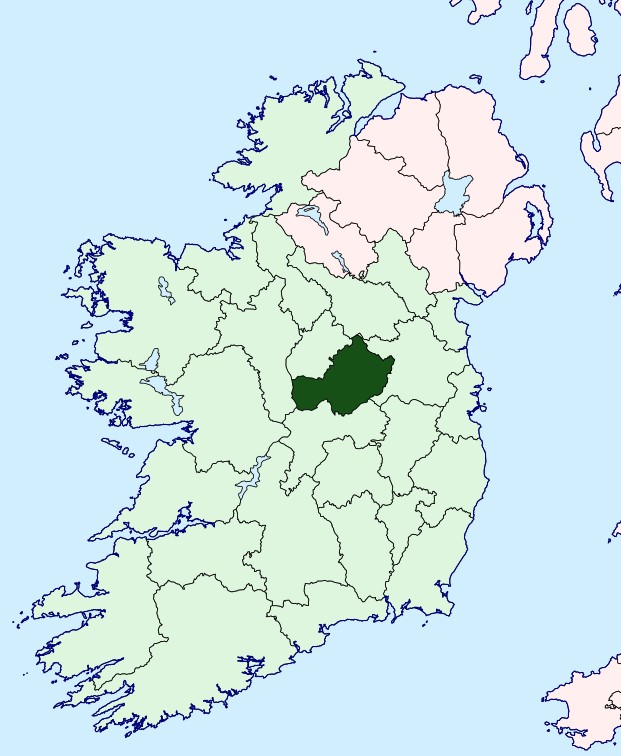
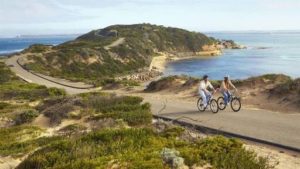
Wicklow, located in the eastern part of Ireland, is a county known for its stunning natural beauty, rich history, and vibrant cultural heritage. Often referred to as the “Garden of Ireland,” Wicklow is renowned for its lush landscapes, rolling hills, and dramatic coastline, making it a popular destination for outdoor enthusiasts and nature lovers. The Wicklow Mountains National Park, which encompasses vast stretches of rugged terrain, ancient woodlands, and picturesque lakes, offers countless opportunities for hiking, mountain biking, and wildlife spotting.
Beyond its natural attractions, Wicklow is steeped in history, with evidence of human habitation dating back thousands of years. The county is home to numerous archaeological sites, including ancient burial mounds, megalithic tombs, and medieval ruins, providing a fascinating glimpse into Ireland’s past. Visitors can explore historic landmarks such as the monastic settlement at Glendalough, founded by St. Kevin in the 6th century, or the imposing ruins of Wicklow’s historic castles, such as Wicklow Gaol and Black Castle.
Wicklow’s cultural heritage is also celebrated through its vibrant arts scene, traditional music sessions, and lively festivals. The county hosts a variety of cultural events throughout the year, including the Wicklow Arts Festival, Bray Jazz Festival, and Blessington Lakeside Music Festival, showcasing the talents of local artists, musicians, and performers. With its blend of natural splendor, historical significance, and cultural vibrancy, Wicklow offers a captivating experience for visitors seeking to explore the heart and soul of Ireland’s Ancient East.
Did You Know That Wicklow May Hide a Sealed "Monks’ Chamber"?
Did you know that one of Wicklow’s strangest modern legends claims that a sealed "monks’ chamber" may still exist somewhere beneath the old mining landscape near Glendalough? The setting makes the story unusually believable. Glendalough was an important monastic settlement for centuries, while the surrounding valleys later became a major mining district, with mining activity continuing from the late eighteenth century into the twentieth. The remains of the Miners’ Village and old workings are still part of the area’s visible heritage.
According to the legend, a group of nineteenth-century miners broke through a wall that did not resemble ordinary rock. Behind it, they allegedly found a narrow, stone-lined passage, a rusted iron door and several carved symbols that looked more ecclesiastical than industrial. The most dramatic version says that a copper-bound chest was briefly removed before a mine supervisor ordered the entrance closed. No official inventory was recorded, and the workers were supposedly warned that speaking about the discovery would cost them their jobs.
There is no verified archaeological report proving that this chamber ever existed. That has not stopped the theory from growing. Some enthusiasts argue that monks may have hidden manuscripts, relics or valuable church objects during periods of conflict, and that later mining tunnels accidentally reached an older refuge. Others point out the obvious problem: most of the known mining infrastructure is far younger than the medieval monastery. To believers, however, that does not disprove the story—it merely suggests that miners may have reused or uncovered something much older.
The legend becomes even more intriguing when hikers report blocked openings, unusually regular stonework and local warnings about unstable ground. These details have perfectly ordinary explanations, but together they create the impression that Wicklow’s mountains may be concealing more than abandoned machinery and mineral veins.
So, is the "monks’ chamber" a forgotten archaeological secret, a miners’ tale exaggerated over generations, or a modern myth designed to make Glendalough feel even more mysterious? Until convincing evidence appears, the story remains unproven—but it is exactly the kind of mystery that makes people look twice at every sealed tunnel in Wicklow.
Do you want to know more about Wicklow? Here are 10 interesting facts about Wicklow to know more about it.
- County of Natural Beauty: Wicklow is often referred to as the “Garden of Ireland” due to its breathtaking natural landscapes, including the Wicklow Mountains, picturesque lakes, and rugged coastline.
- Wicklow Mountains National Park: Established in 1991, Wicklow Mountains National Park is one of Ireland’s six national parks and covers approximately 20,000 hectares of mountainous terrain, encompassing stunning scenery, diverse wildlife, and ancient archaeological sites.
- Glendalough: The monastic settlement of Glendalough, founded by St. Kevin in the 6th century, is one of Wicklow’s most iconic landmarks. The site features a series of well-preserved medieval monastic buildings, including a round tower, cathedral, and several churches, set amidst the tranquil beauty of the Glendalough Valley.
- Sally Gap: Sally Gap is a scenic mountain pass located in the Wicklow Mountains, offering panoramic views of the surrounding landscape. The area is a popular filming location and has been featured in several movies and TV shows, including “Braveheart” and “PS I Love You.”
- Wicklow Way: Wicklow Way is Ireland’s oldest waymarked long-distance walking trail, stretching for 132 kilometers (82 miles) from Marlay Park in Dublin to Clonegal in County Carlow. The trail traverses some of Wicklow’s most stunning scenery, including forests, mountains, and valleys.
- Powerscourt Estate: Powerscourt Estate, located near Enniskerry, is one of Ireland’s most magnificent stately homes and gardens. The estate features stunning formal gardens, cascading waterfalls, and an ornate mansion, which has been featured in numerous films and TV series.
- Avoca Handweavers: Avoca Handweavers, established in 1723, is Ireland’s oldest handweaving mill and is located in the village of Avoca. The mill produces high-quality woven products, including blankets, scarves, and clothing, using traditional techniques passed down through generations.
- The Sugarloaf: The Sugarloaf Mountain, located near Bray, is a distinctive landmark in Wicklow, known for its conical shape and panoramic views from the summit. The mountain is a popular hiking destination and offers rewarding vistas of the surrounding countryside and coastline.
- Glenmalure Valley: Glenmalure Valley is one of Wicklow’s most scenic and remote valleys, surrounded by rugged mountains and lush forests. It is a haven for outdoor enthusiasts, offering opportunities for hiking, mountain biking, fishing, and wildlife spotting.
- Historic Castles: Wicklow is home to several historic castles and ruins, including Wicklow Gaol, Black Castle, and Powerscourt Castle. These ancient fortifications provide a glimpse into the county’s turbulent past and are popular attractions for visitors exploring Wicklow’s rich heritage.
Wicklow, with its stunning natural beauty, rich history, and vibrant cultural scene, captivates visitors with its charm and allure. From the majestic peaks of the Wicklow Mountains to the tranquil shores of its picturesque lakes, the county’s landscapes inspire awe and wonder at every turn. Steeped in ancient heritage, Wicklow’s historic sites and monuments offer a glimpse into Ireland’s storied past, while its bustling towns and villages buzz with creativity and energy, showcasing the best of traditional music, arts, and festivals. Whether exploring the rugged wilderness of Wicklow Mountains National Park, wandering the historic ruins of Glendalough, or simply soaking in the breathtaking scenery along the coastline, Wicklow leaves an indelible impression on all who venture to experience its beauty. Truly, Wicklow is a gem nestled in the heart of Ireland’s Ancient East, inviting travelers to discover the magic and mystery of this enchanting county.
Guess Whether Wicklow Was Secretly Redesigned as a Giant Movie Set
Guess whether this is true: Wicklow’s famous green appearance was partly created by a secret film-industry landscaping project.
The story begins in the 1950s, when—according to the claim—a private group of British and American producers decided that County Wicklow could become Europe’s answer to the great outdoor filming locations of California and New Zealand. The county already had dramatic valleys, lakes and mountains, but the producers supposedly believed that its scenery looked too inconsistent on camera. Some slopes were bare, others showed traces of mining, and certain valleys appeared too dark during Ireland’s unpredictable weather.
The alleged solution was "Project Emerald Backdrop," a confidential agreement involving landowners, forestry contractors and several film financiers. Under the plan, thousands of carefully selected trees were planted in patterns designed not for ecology, but for cinematography. Dark evergreens were placed behind pale stone ruins to increase contrast. Open fields were preserved in locations suitable for battle scenes. Roads were supposedly curved to reveal landscapes gradually, giving directors a natural cinematic entrance shot.
The most controversial part of the story claims that several artificial ruins were also constructed and then deliberately weathered so future productions could use them without damaging genuine historic sites. Local residents were allegedly told that the work formed part of an ordinary forestry programme. In return, Wicklow would receive studio investment, tourism publicity and priority whenever an international production needed an "authentic" Irish wilderness.
Wicklow really does have a strong connection with film and television, and the county now provides official assistance to productions seeking locations, access and local support. Its valleys and mountains also carry visible evidence of glacial formation and a long mining history. Those real details make the secret-project story sound just plausible enough to spread.
But was the celebrated "Garden of Ireland" partly designed like an enormous outdoor movie set decades before modern screen tourism became fashionable? Did filmmakers quietly reshape Wicklow’s landscape, or is "Project Emerald Backdrop" simply a convincing invention built around the county’s genuine cinematic reputation?
What do you believe: True or False?